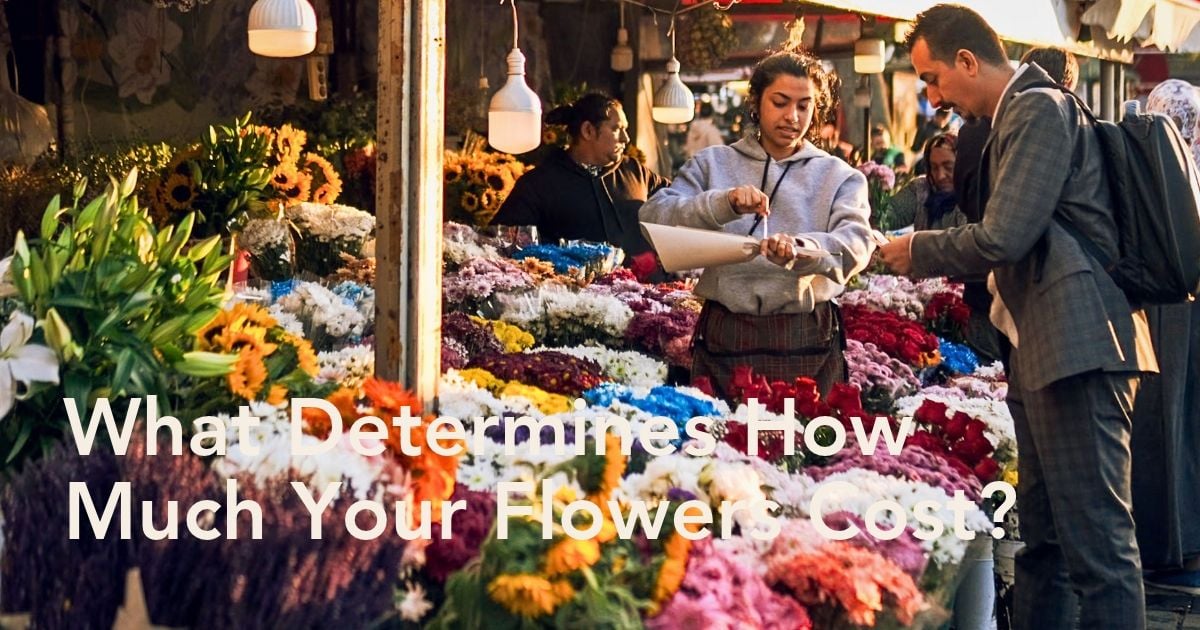
If you have ever visited your local florist or ordered a bouquet online, you may have noticed that the price tag on a bunch of roses, Dahlias, or lilies is hardly fixed. One month, an elegant hand-tied arrangement seems surprisingly accessible, while a few months later, the same combination of flowers commands a premium price; a flower that sells for one price in July can cost more the next February.
Because cut flowers are highly perishable and seasonally dependent agricultural products, their market works under dynamic forces. So, from unpredictable weather patterns and changing energy tariffs to regional holidays (even the day of the week a holiday lands) and air freight bottlenecks, it is worth knowing why flower prices change across the year, which, of course, requires a close look at supply, demand, climate, and global trade logistics. How does the cycle work?
Biological Growth Cycles and Micro-Seasons
For the most part, price volatility in the floral market is driven by natural biological cycles. Unlike manufactured goods, flower production cannot just be turned up with the flip of a switch. Every plant variety has a natural window in which it thrives outdoors with minimal human intervention. And during a flower's peak natural blooming season, local yields increase, quality reaches its height, and prices hit their annual low.
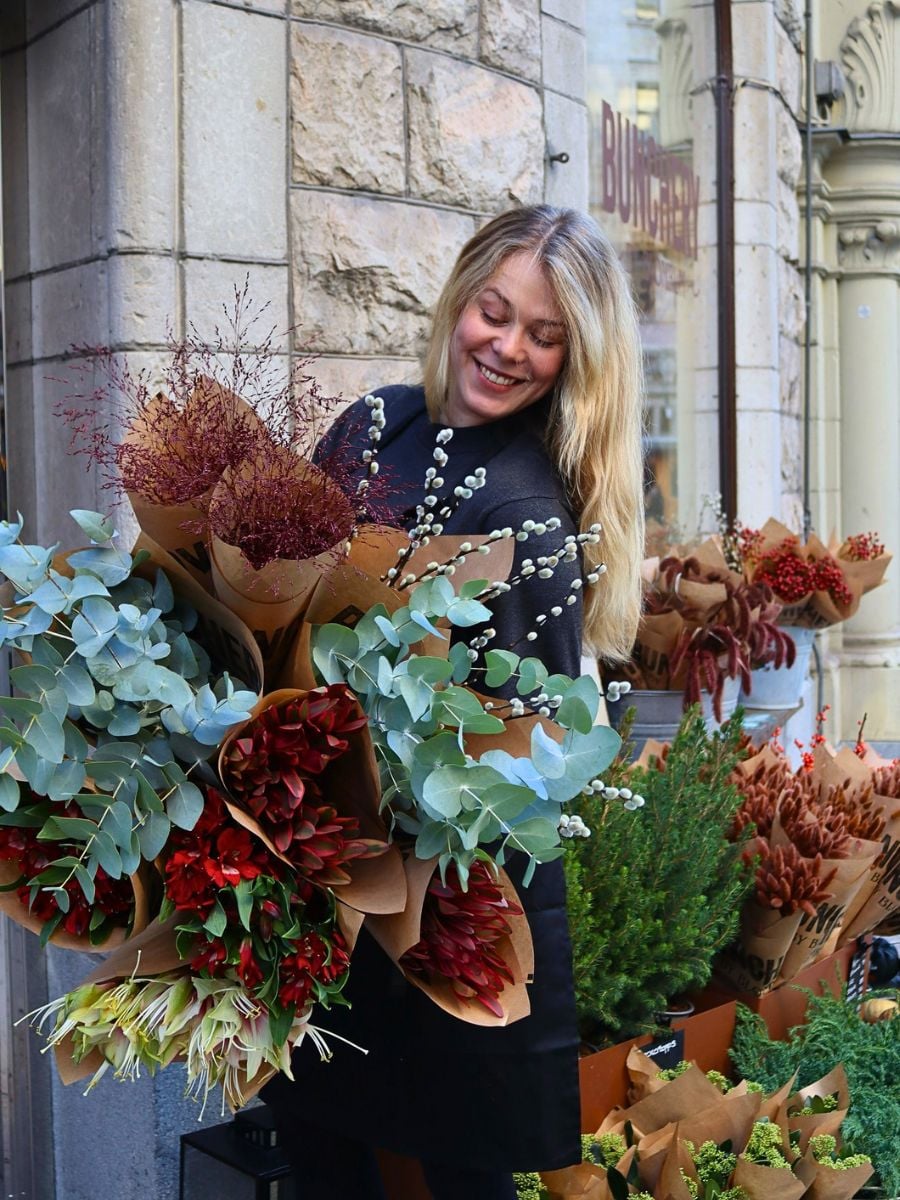
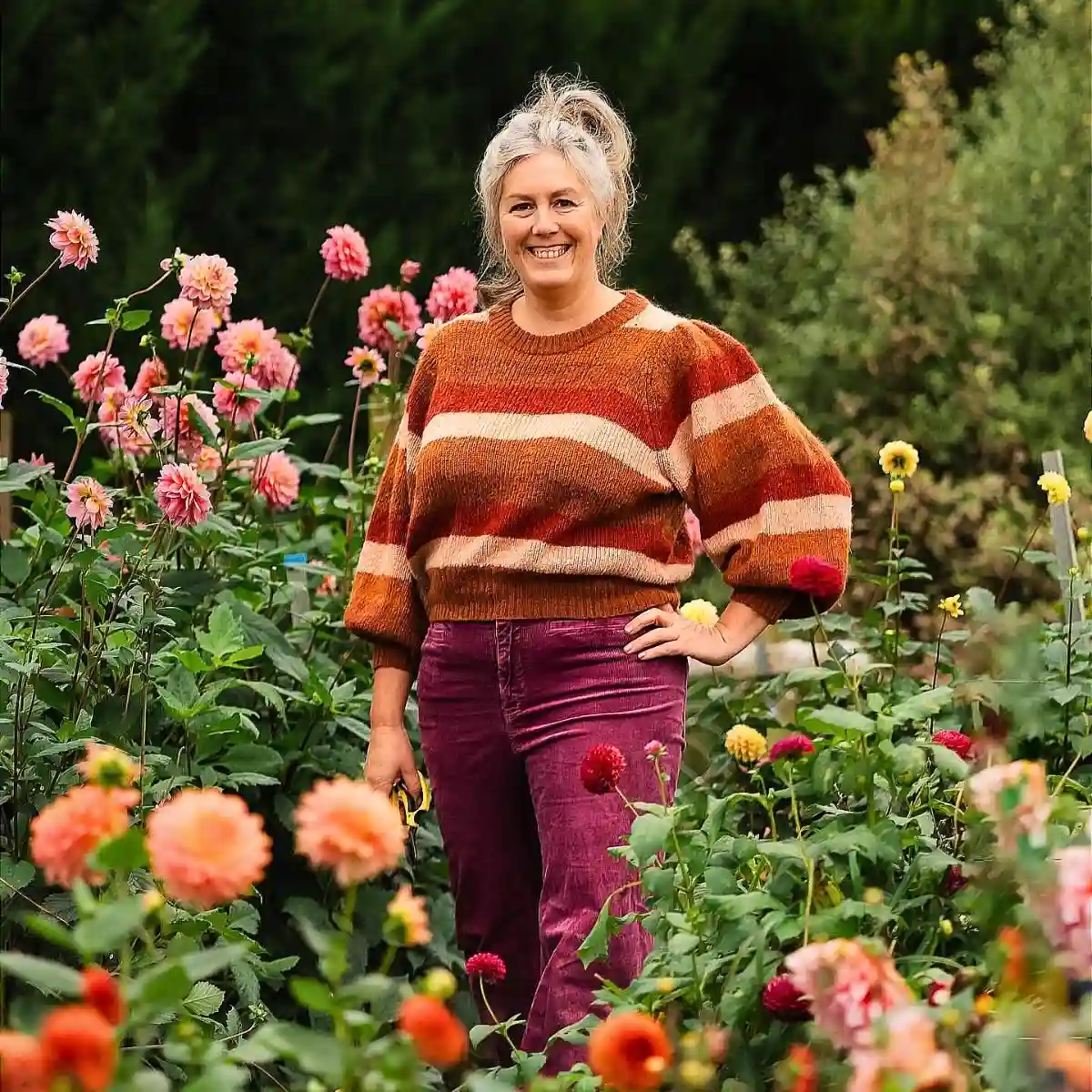
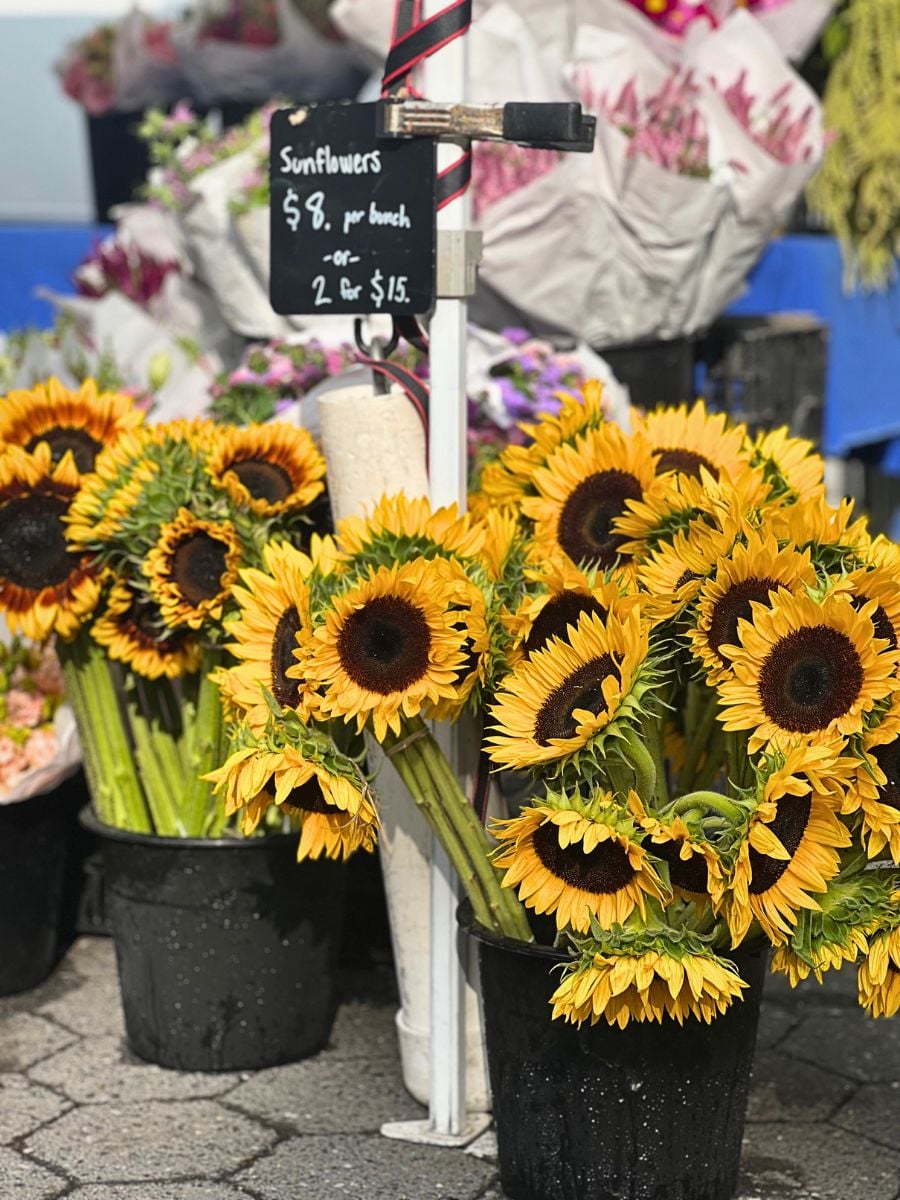
Spring abundance, for instance, brings a flood of tulips, hyacinths, Narcissus, and other springtime flowers to market from late March through May, lowering wholesale prices across major trading hubs. By summer, high-yield field varieties like sunflowers, Zinnias, Lisianthus, and garden Dahlias enter the market, keeping costs reasonable for floral designers and consumers.
Fundamentally, flowers are crops, and crops follow the sun. Roses, Lisianthus, and many cut flowers grow fastest when days are long and warm, so spring and summer come with heavy harvests and softer prices. But winter reverses the pattern. In northern greenhouses, shorter days and weaker light slow growth, and many growers add lighting and heat to keep production steady, both of which increase costs.
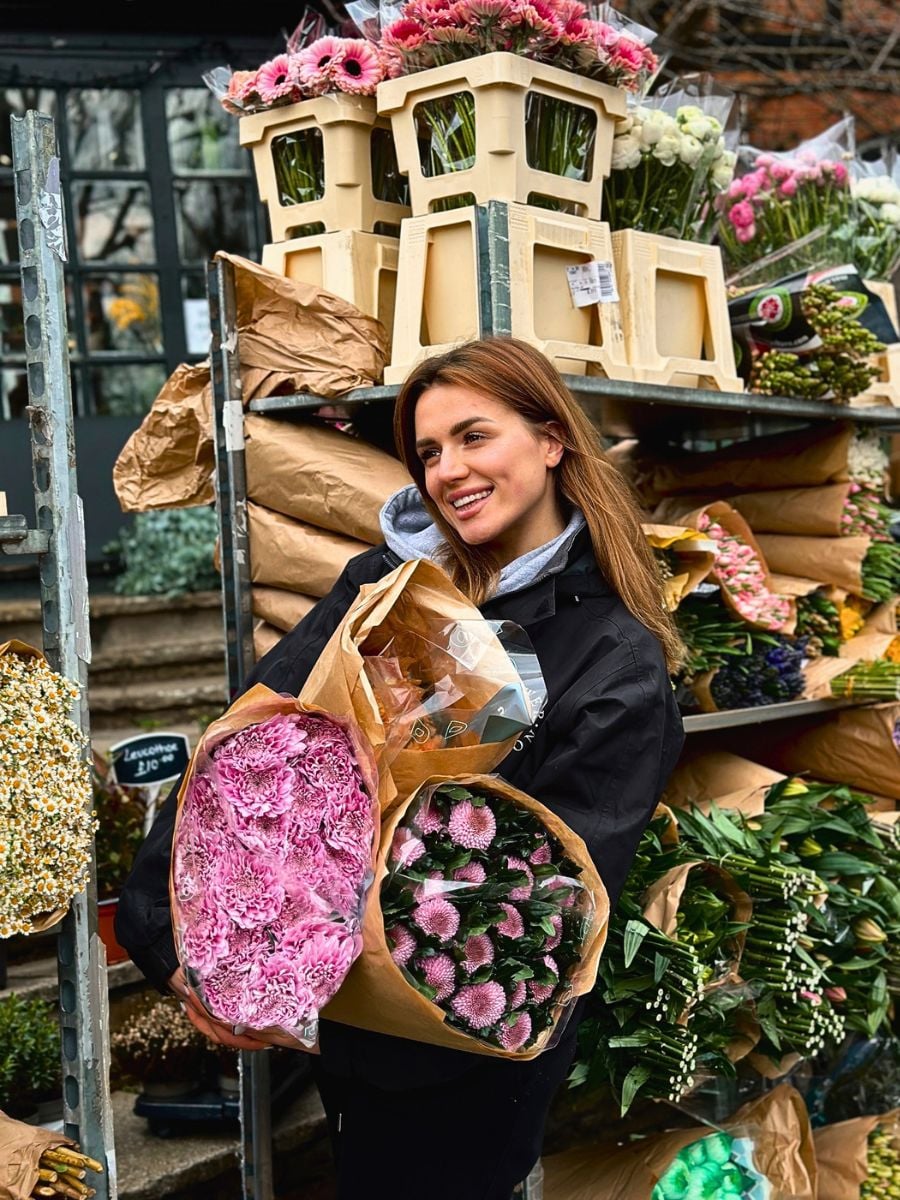
So, if an event designer needs fresh peonies in December or sweet peas in late autumn, these flowers must either be cultivated in energy-intensive heated greenhouses or air-freighted across hemispheres from growers in the Southern Hemisphere, inflating the final retail price.
Holiday Demand Spikes and Crop Reset Windows
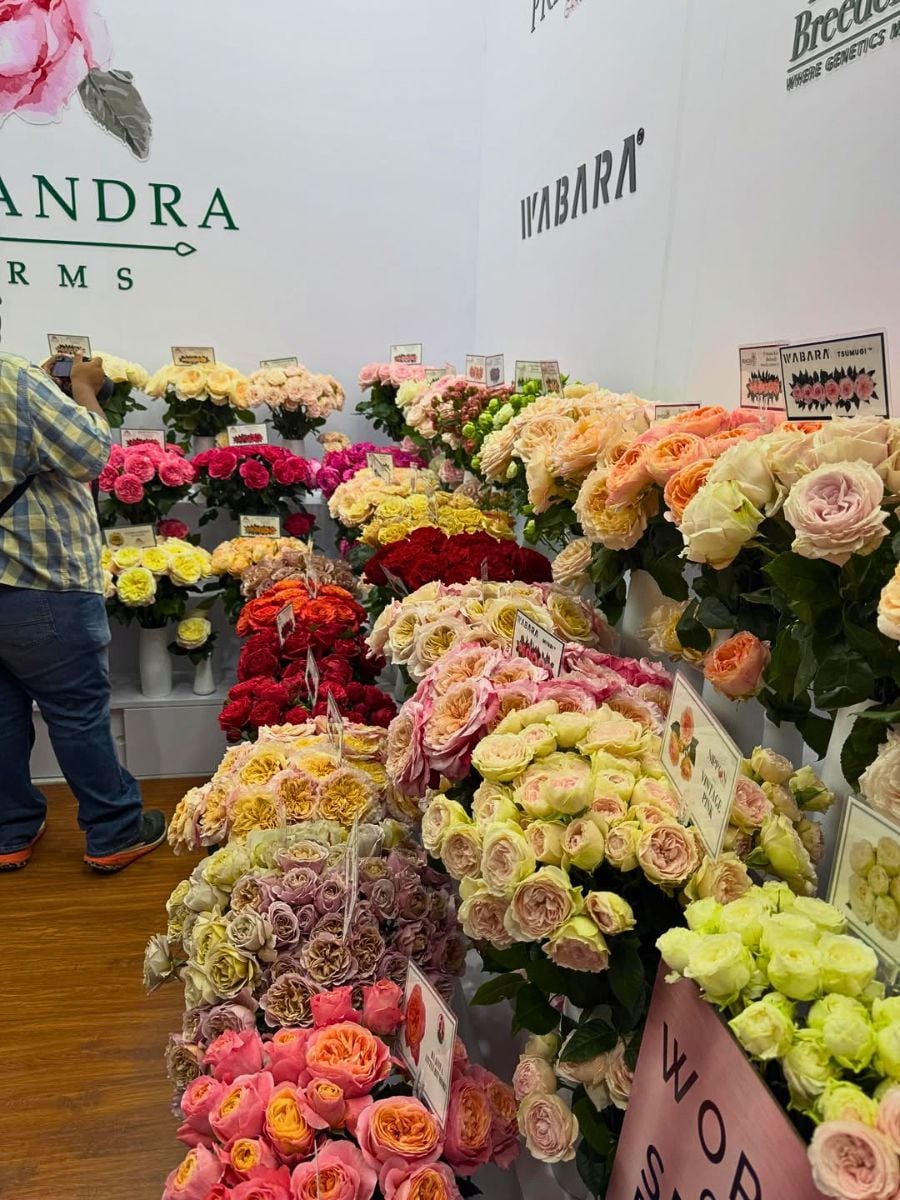
While natural availability sets the baseline cost, consumer demand surges around major calendar dates create sharp price spikes. Valentine's Day is, perhaps, the strongest example. Red roses dominate orders, yet growers cannot double output on short notice because rose plants are timed months ahead.
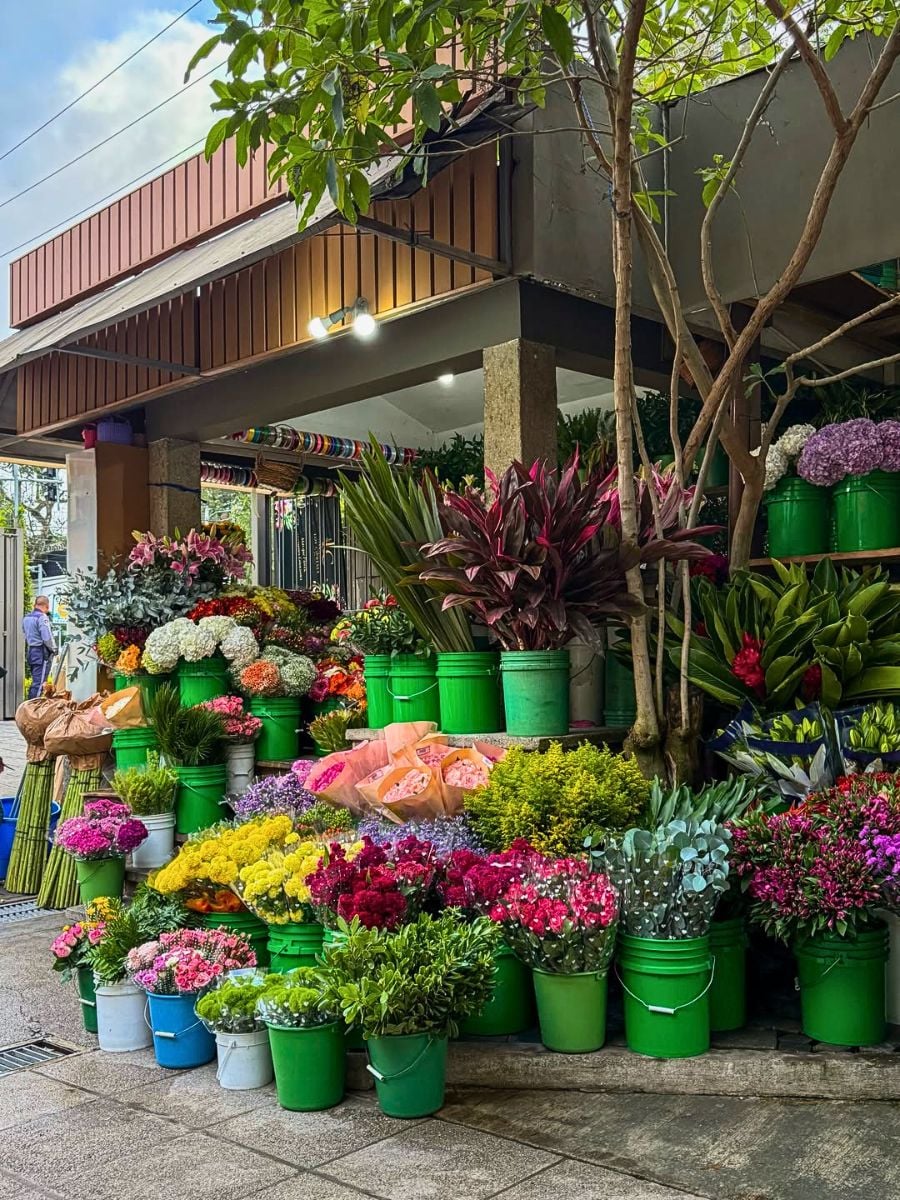
Just like global demand for long-stemmed red roses peaks around Valentine's Day, Mother's Day also drives massive volume across different varieties ranging from mixed pastel garden roses to Delphinium and Hydrangeas. Other regional holidays like International Women's Day and All Saints' Day create similar localized demand surges. To meet this focused demand for a targeted date, growers in major export hubs alter plant maintenance routines months in advance.
Rose bushes are, for example, heavily pruned to force a simultaneous flush of flowers just in time for harvest. And after this artificial harvest peak, the plants require approximately six to eight weeks to reset and grow afresh. As a result, supply dips immediately following major floral holidays, maintaining high prices even as post-holiday retail demand cools. Shoppers who want savings can, alternatively, settle for spray roses, which are usually priced a little below long-stemmed varieties, or switch to options like carnations.
The Autumn-To-Winter Climate Transitions
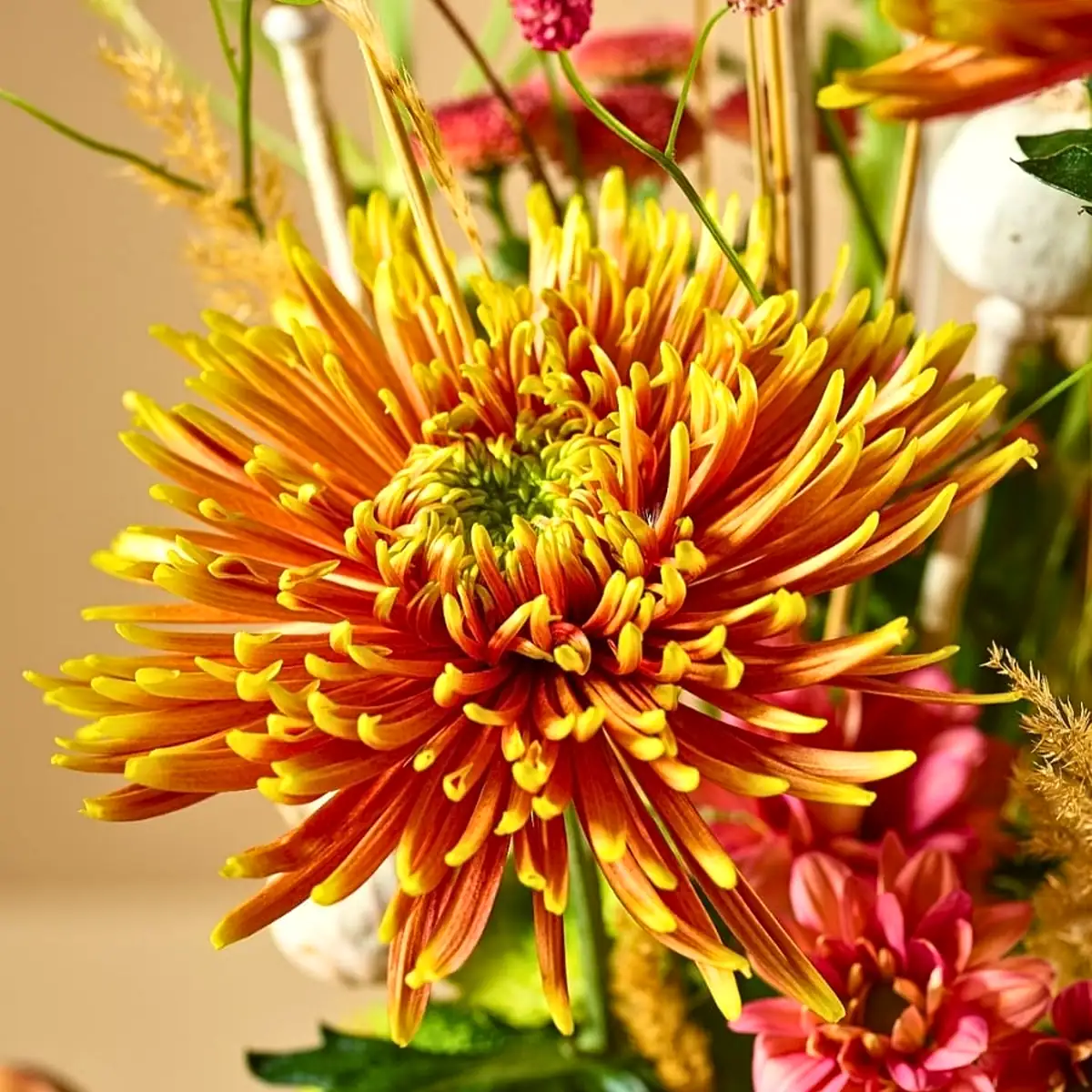
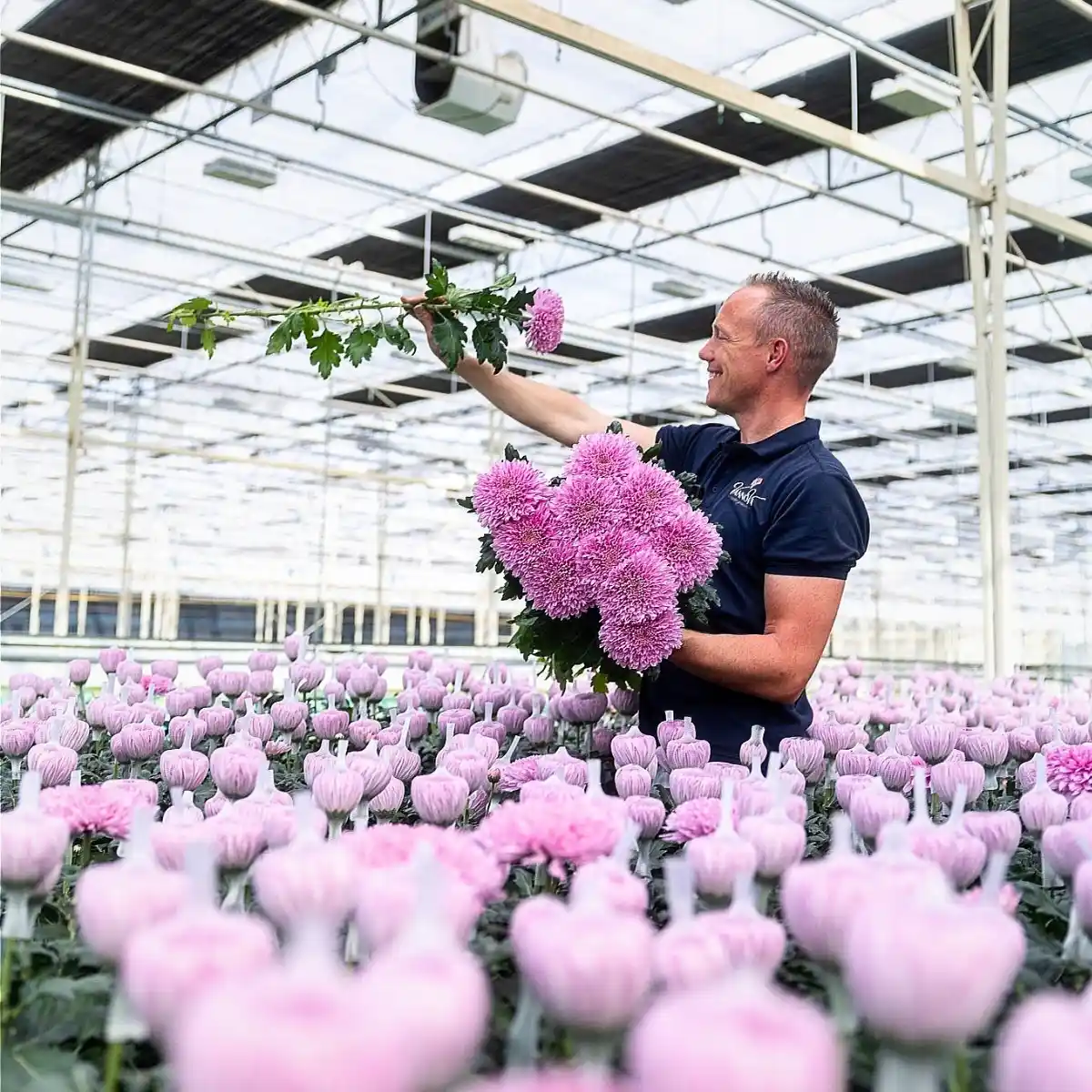
October is a gentle month for prices on some flowers and a tricky one for others. Yet Chrysanthemums are, perhaps, the clearest example of stability. They flower naturally as days shorten, and growers can also schedule them year-round with blackout cloth, so supply is dependable, and prices tend to stay reasonable.
Field-grown varieties, however, tend to work differently. Dahlias, marigolds, zinnias, and sunflowers fade after the first hard frost in colder regions, which thins supply and nudges prices upward for what remains. Thanksgiving week then creates a demand spike for centerpieces, with mums, Alstroemeria, and filler greens moving quickly. As these field flowers phase out, wholesalers move reliance toward imported flowers from equatorial regions or controlled glasshouse production.
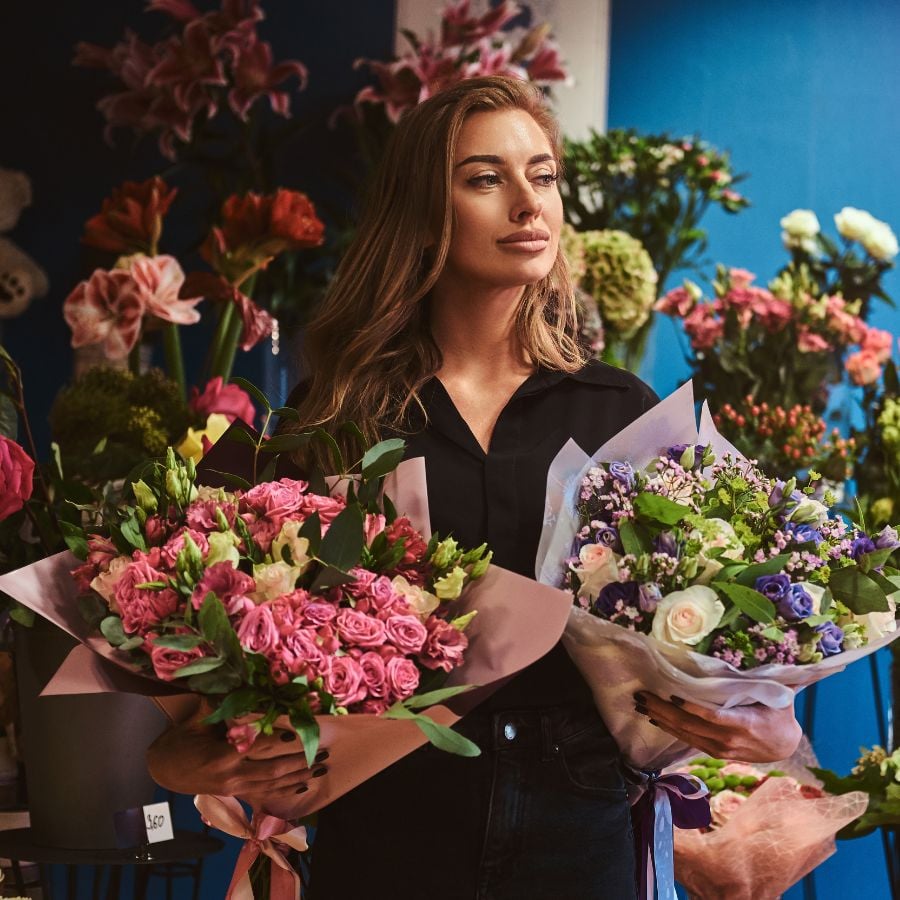
Winter brings, perhaps, the most complicated pricing of the year. In the United States, other than the wintry conditions, a large share of cut flowers comes by air from Colombia and Ecuador, so fuel costs, flight capacity, and customs inspections could affect what florists pay. Shorter days also slow plant growth cycles, reducing total yields.
In Europe, growers heat and light their greenhouses through the dark months, and the rising heating fuel and electricity prices increase farm-gate production costs. These costs, inadvertently, flow into flower prices, passing directly through wholesale auction clocks to retail florists. Winter storms can also delay trucks and flights, leaving shipments short when demand rises.
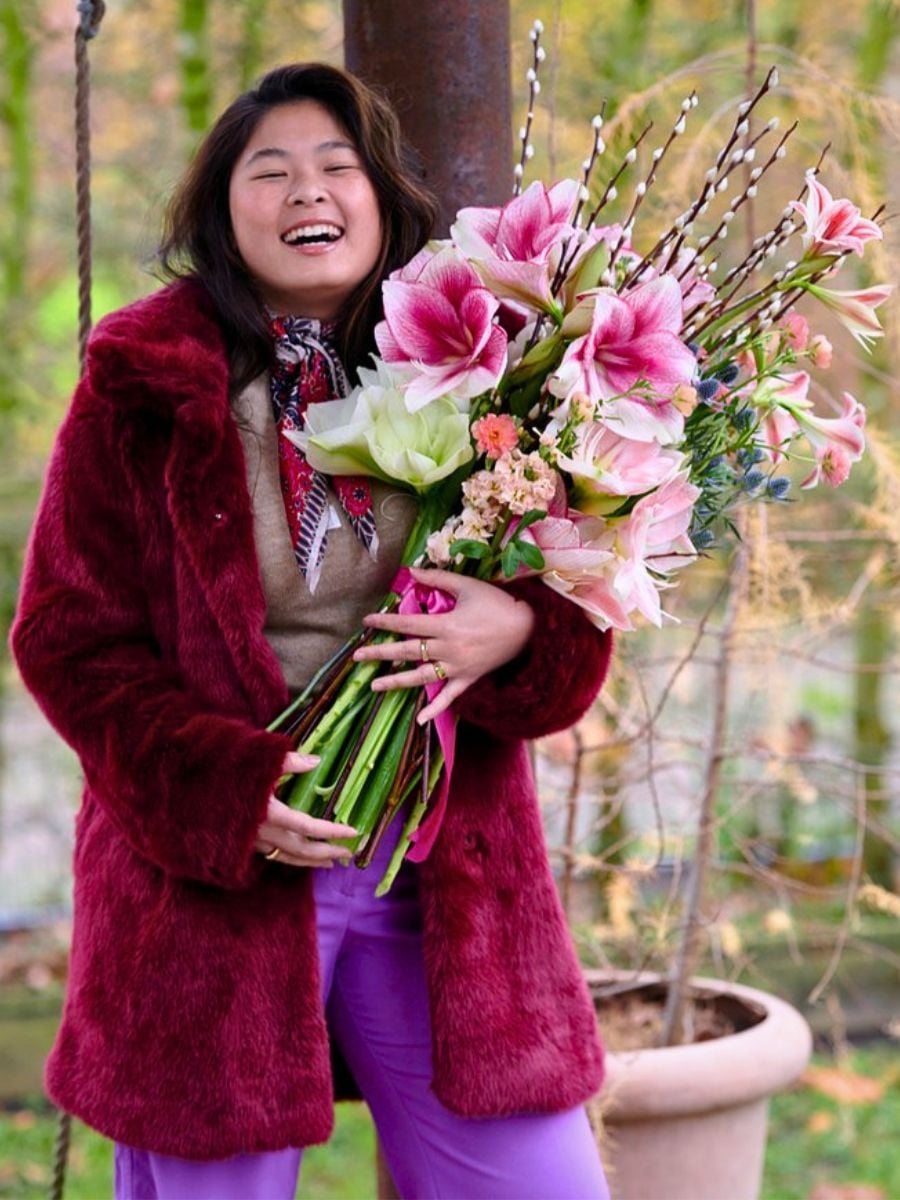
But not everything gets more expensive. Cool-season flowers hit their stride in winter. Amaryllis, a Christmas favorite, comes into season as growers like Van der Ende Flowers provide the flowers, so supply is strong when demand rises. Ranunculus, anemones, and forced tulips also follow in late winter and often grow more affordable as spring approaches. Premium red rose prices then, by contrast, climb as Valentine’s Day nears.
Spring and Summer Come With Abundance but With Exceptions
Spring brings, perhaps, the lowest prices for many flowers. During this season, wide varieties flood the market even as local farms begin harvesting. Peonies are among the best examples. While early supply may be limited and expensive, prices ease as harvests from more regions reach their peak in late spring and early summer.
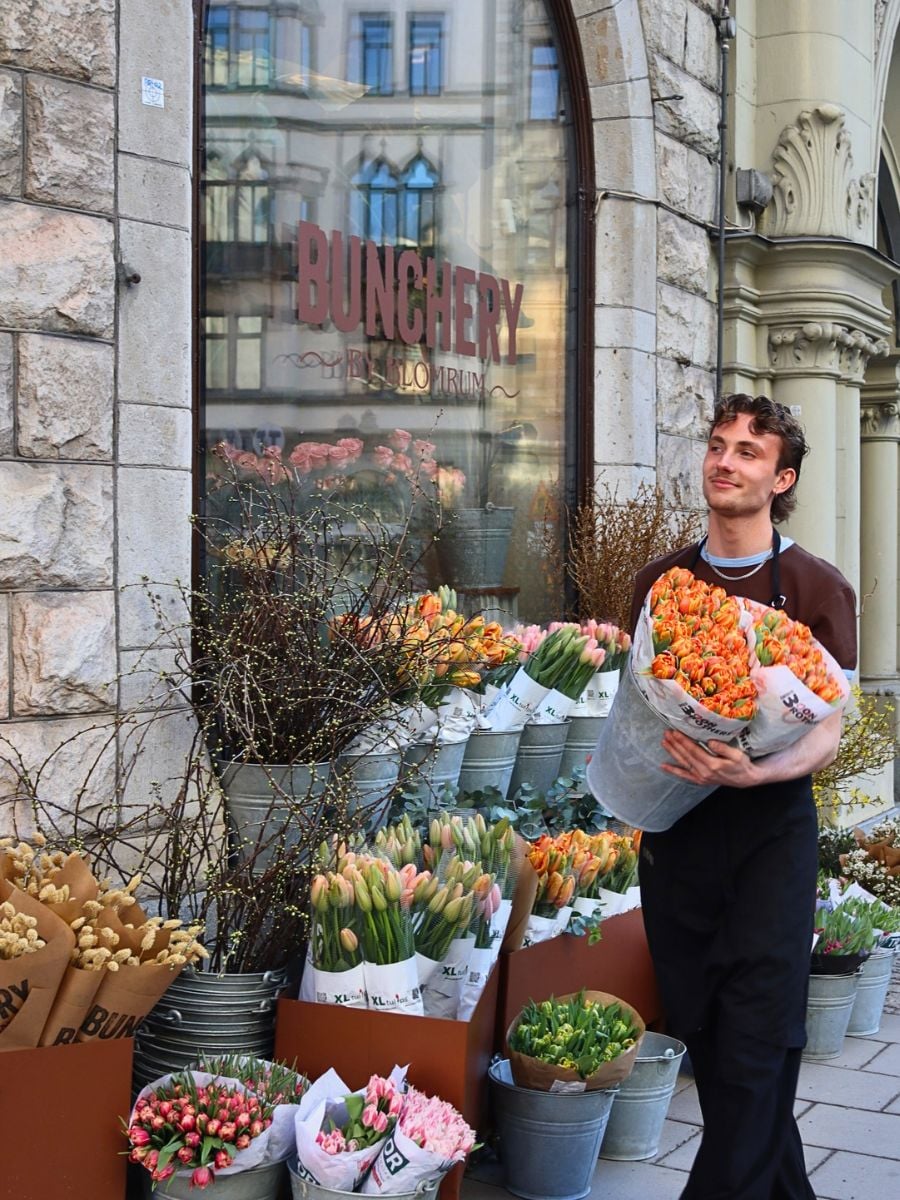
The summer season favors local growers, with flowers like sunflowers, zinnias, and Dahlias reducing freight needs. Wedding season, however, keeps demand firm for garden roses, Delphinium, and Hydrangea. But extreme summertime heat can reduce quality and shorten vase life, which limits what growers can sell.
Cold Chain Logistics and Global Distribution
Cut flowers require a continuous cold chain, which is an uninterrupted, temperature-controlled supply chain extending from farm harvest to retail delivery. Logistics, therefore, form a significant portion of a flower's wholesale value as these flowers travel from farm harvest and cooling through refrigerated transport, air cargo flights, wholesale auctions, and finally to local florists.
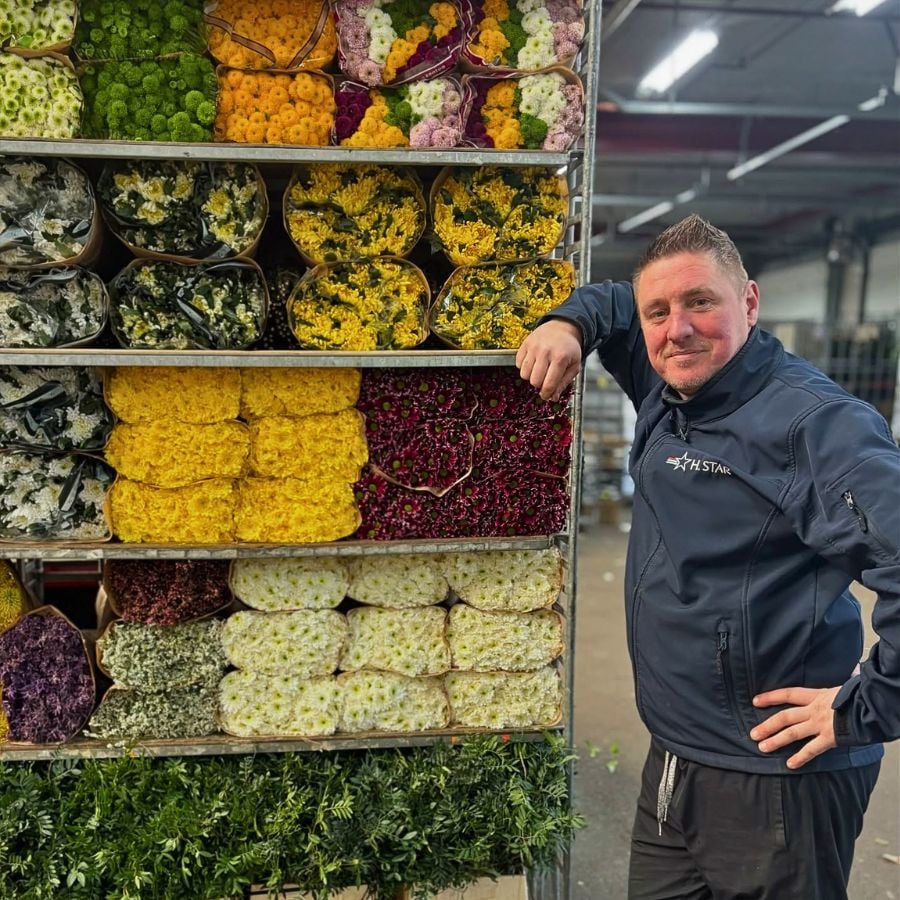
Sometimes, air cargo space also fluctuates seasonally, and during the holiday shipping surge, passenger and cargo air transport capacity oftentimes tightens, leading to higher freight surcharges per stem. Likewise, fluctuating fuel costs alter shipping rates throughout the year, while cold-chain delays during peak volume periods increase risk and waste, driving up wholesale markups to cover potential losses.
Smart Ways to Handle Price Swings
To make informed purchasing decisions without forfeiting visual appeal, flower lovers, designers, and event planners can adapt their buying strategies based on a few habits and seasonal realities. They can order early for major holidays, since early orders lock in availability. They could also choose in-season flowers, which cost less and last longer.
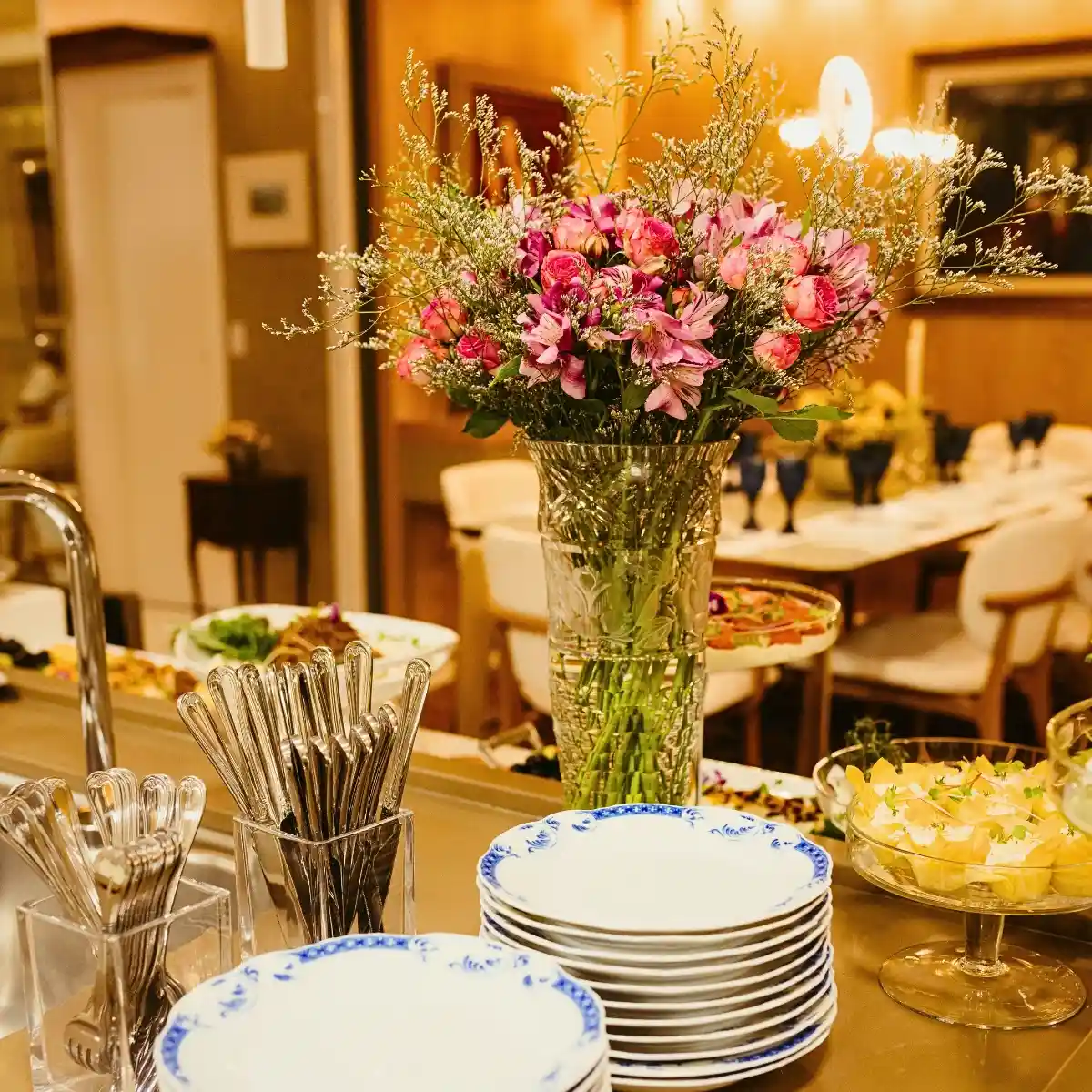
Another idea is to swap premium focal flowers for varieties like spray roses, Lisianthus, or carnations. And use foliage, berry branches, and dried elements to add volume affordably. For Christmas, a design made around in-season Amaryllis, for instance, delivers with fewer flowers, meaning shifting preferences toward seasonal flowers and working flexibly with floral designers guarantees that consumers can enjoy high-quality floral design while avoiding price spikes.
Essentially, flexibility is one of the most reliable budget tools. But also, detailed industry updates and global market insights provide further perspective through expert price analysis on seasonal floral market dynamics.
But then again, when all is said and done, understanding the floral rhythms and dynamics helps one plan margins, gives growers reason to schedule flowers carefully, and lets everyday buyers shop with confidence while spending a little less.
Featured image: @buncherybyblomrum. Header image: Melisa Özdemir.