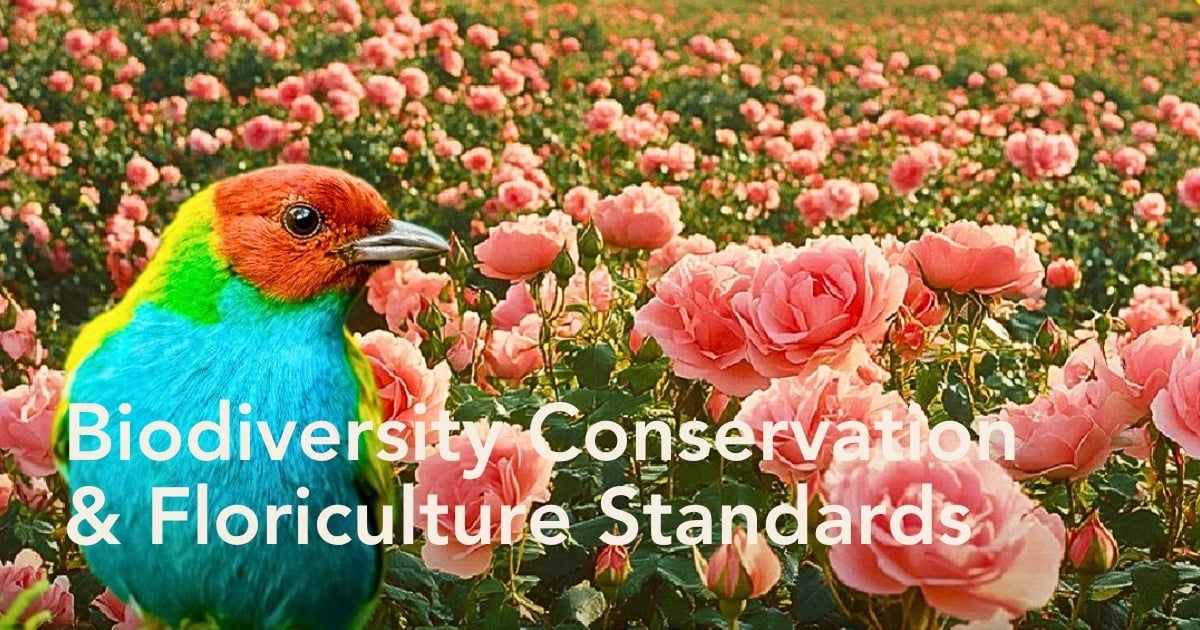
For sustainable floriculture, biodiversity is fast becoming a defining measure, and so certification bodies are also being tasked with catching up. Recently, Germany's Global Nature Fund and Lake Constance Foundation reviewed several leading certification schemes and found some shortcomings. Biodiversity requirements, it emerged, remain somewhat inconsistent, largely voluntary, and are rarely backed by farm-level support.
They came up with several recommendations, which mean flower producers and growers are required to do more to balance biodiversity management, natural resource conservation, and shared responsibility. Certification schemes are also required to do more to support this course. How far, however, has this been implemented?
State of Biodiversity in Certification Standards
The review, in a report titled ‘Recommendations for Managing and Enhancing Biodiversity in Floriculture Production’, was released in June 2025 and formally presented in July by the Global Nature Fund and Lake Constance Foundation, and is the result of a two-year process involving roundtable discussions with experts and stakeholders, as well as public consultation.
Ten leading certification schemes widely used across the German and European markets were reviewed, including Global G.A.P. Integrated Farm Assurance (IFA), MPS ABC and GAP, EU Organic, SMK Planet Proof, Fairtrade Hired Labor and SPO, and QS Standards. But the findings apply across the board, not to a particular country or region.
The baseline report highlights some gaps. First, only about a third of the reviewed standards were found to require a biodiversity management approach or a formal Biodiversity Action Plan (BAP), and in most cases this remains optional. Certifiers, the publication notes, sometimes lack the technical capacity to help producers design and implement these plans, meaning that even where a requirement exists on paper, farm-level support is limited.
Also, five of the ten standards reviewed do not require biodiversity monitoring, and only two standards monitor and track inputs such as fertilizers, pesticides, and water digitally as an integral part of their certification scheme. Soil management criteria are also sparse, with few standards addressing soil overexploitation and erosion.
But perhaps most crucially, none provides comprehensive information on the sustainability of substrates to producers, while only four provide benchmarks for peat use. The most ambitious among these is Bioland, which requires that peat content in substrates not exceed 50% by volume for nursery and ornamental plant cultures. However, this remains an exception rather than the rule.
Drivers of the Recommendations
The report focuses its findings on four of the five drivers of biodiversity loss identified by the Intergovernmental Science-Policy Platform on Biodiversity and Ecosystem Services: land-use change, overexploitation of natural resources such as water and soil, pollution from pesticides and fertilizers, and the spread of invasive species. Left out of scope was climate change. It was deemed that emissions issues already get dedicated attention through other channels.
However, each driver plays out differently depending on where flowers are grown. The global cut flower and ornamental plant market was valued at roughly USD 59 billion in 2023, and an estimated 735,500 hectares were used for floriculture globally in 2022. The European Union imports around 15 billion euros worth of flowers annually. It is, practically, the largest flower market globally.
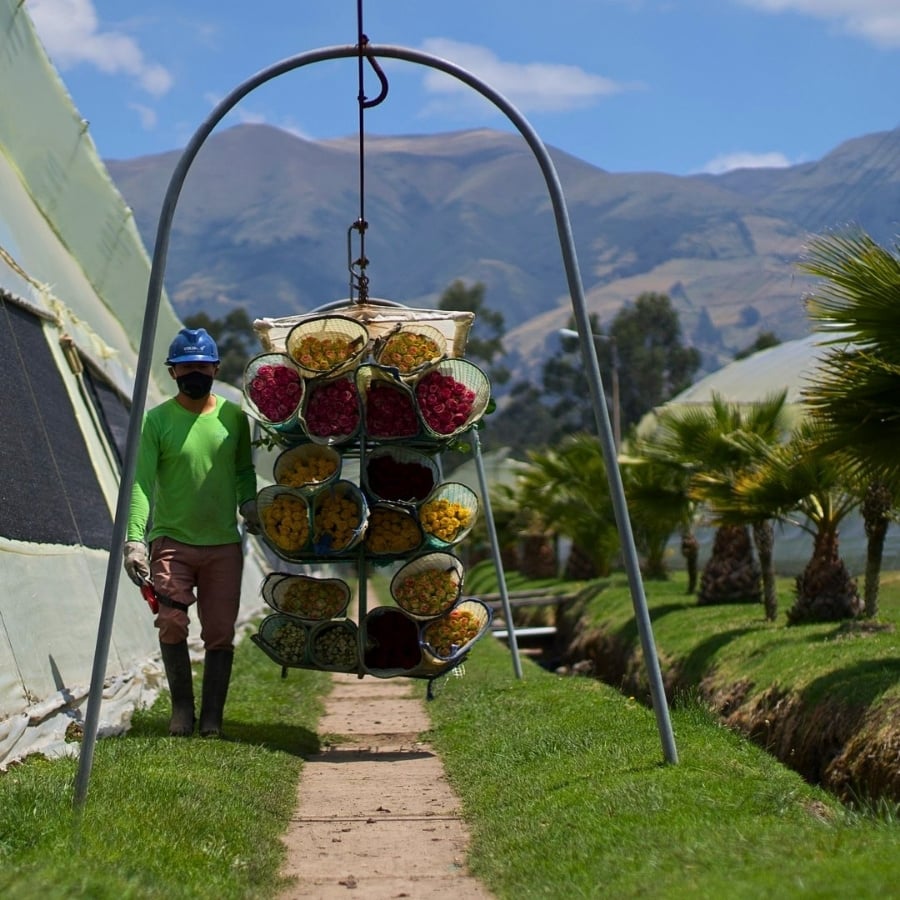
In regions with strong export ties to Europe, including East Africa, South America, and parts of Asia, land conversion, water use, and pesticide application are particularly weighty matters, since much of the land used was previously forest, wetland, or grassland. It is not land already converted for agriculture, as is more common in the Global North.
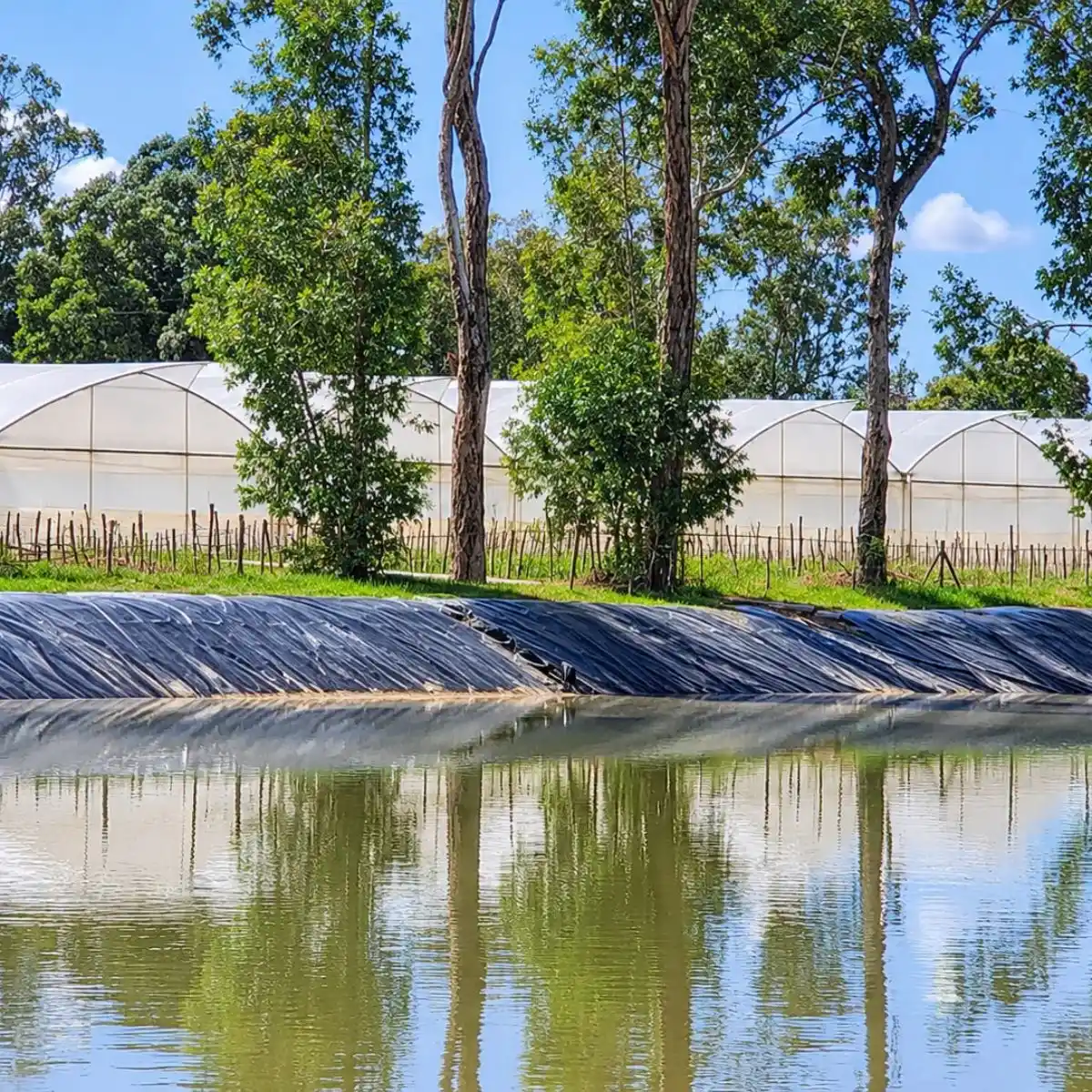
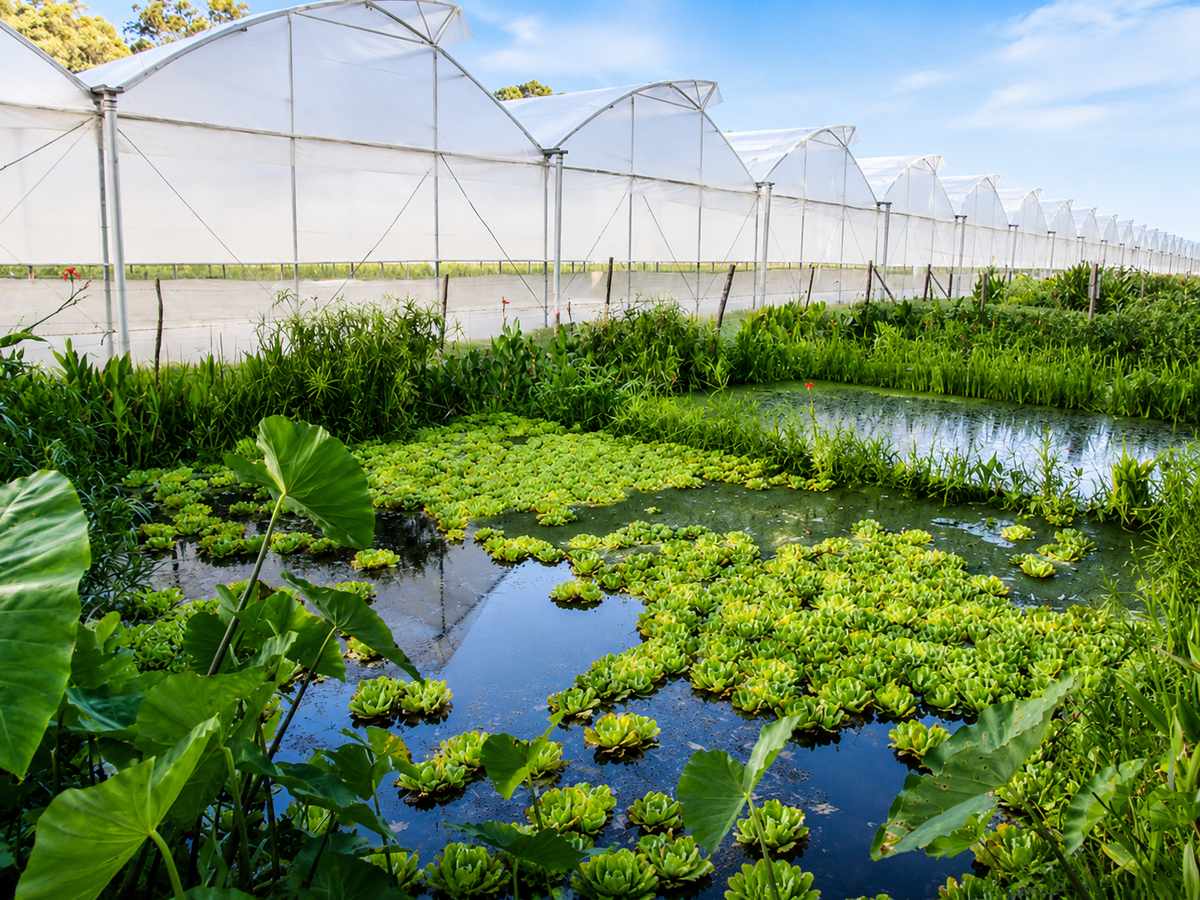
Water is a key example of how this driver can be different across regions and over time. The water footprint of a rose is 7 to 13 liters, and water issues related to flower production have affected regions like Ethiopia and Kenya, where research linked declining levels around Lake Naivasha to commercial farming in the 2000s and early 2010s.
But since 2011, Lake Naivasha has been rising, a trend mainly attributed to heavier regional rainfall, with flooding submerging farmland and displacing thousands of residents by late 2025. Similar water and wetland demands apply (albeit differently) to other growing regions like Ecuador and Colombia.
How a Stronger Certification Already in Place Is Like
Several standards already show what more effective biodiversity criteria are like in practice, and good examples are found across different countries and growing conditions. For instance, Latin America’s Florverde Sustainable Flowers standard, administered by Asocolflores, requires a mandatory Biodiversity and Landscape Plan for certified farms.
More than half of Colombia's flower exports now have Florverde certification. Certified farms have planted more than 50,000 native trees over the past few years as part of ecosystem restoration. Global Nature Fund referenced the Colombian floriculture practices as one benchmark for biodiversity management within its recommendations, meaning they were already drawing on regional good practices.
Elsewhere, Ecuador's certification scheme, Flor Ecuador Plus Certified®, administered by Expoflores, covers water use, agrochemical management, and biodiversity alongside social compliance. As of October 2025, 195 farms held the certification, representing 72% of the country's total production area, and the scheme even applied for benchmarking under the Consumer Goods Forum's Sustainable Supply Chain Initiative.
Germany's Bioland certification, on the other hand, uses a point-based system requiring at least 100 biodiversity points annually, while the Netherlands' SMK Planet Proof standard sets its environmental thresholds linked to certification. In Kenya, the Kenya Flower Council (KFC), which represents around 80% of the country's flower growers and exporters, has a tiered Flowers and Ornamentals Sustainability Standard known as FOSS.
FOSS requires that farms first achieve Silver status by meeting baseline requirements on water, labor, and environmental management, and then progress to Gold status by exceeding their baselines on measures including water recycling rates, wastewater quality, and biodiversity protection near riparian zones. In December 2025, FOSS got recognition from the Sustainable Supply Chain Initiative, making it one of a small group of internationally benchmarked standards.
KFC has also built supporting infrastructure, including an EcoTrace platform tracking water use, wastewater outcomes, and biodiversity indicators at the farm level. There is also a training academy addressing the capacity gap. These examples show that while biodiversity is embedded in their standards, no particular region holds a monopoly on very comprehensive biodiversity practice. And that the systems required – mandatory action plans, point systems, tiered certification, and shared data platforms – are already in place, only unevenly applied.
GLOBALG.A.P.’s Biodiversity Add-On
Global G.A.P. IFA, one of the ten major standards, works through the certification body, Agraya GmbH (renamed from FoodPLUS GmbH). It already offers a dedicated Biodiversity Add-On that goes beyond the main IFA standard's existing habitat and biodiversity criteria. It adds several more principles for a more detailed level of assurance. The add-on, however, largely applies to fruit and vegetable production.
Juan Carlos Isaza, senior technical expert at Agraya, notes that biodiversity in flowers and ornamentals continues to be addressed through the general environmental requirements built into the IFA standard for Flowers and Ornamentals (not through a dedicated add-on), covering water use, nutrient management, integrated pest management, plant protection product use, waste management, and resource efficiency.
He notes that research from initiatives like HortiFootprint, which has identified nutrient losses, greenhouse gas emissions, water scarcity, and the release of harmful substances as key environmental risks in floriculture, is the basis for how the IFA Flowers and Ornamentals (IFA FO) requirements are structured. But Agraya continues working with producers, buyers, retailers, civil society organizations, and technical experts to strengthen environmental sustainability solutions.
This keeps GLOBALG.A.P. IFA within the pattern that the Unternehmen Biologische Vielfalt (UBi) report describes generally: meaningful biodiversity-relevant requirements exist, but the sector's most detailed biodiversity assurance tools remain optional, are within a different product category, and have not yet been built into the flower and ornamental plant standard on its own terms.
But still, GLOBALG.A.P. IFA addresses farm management through an all-inclusive scope covering environmental protection, worker health and safety, food safety, and supply chain transparency, and within its IFA FO, biodiversity protection is covered in the fundamental environmental requirements. Good agricultural practices, after all, begin with understanding how production interacts with surrounding ecosystems and the implementation of measures to prevent or minimize negative impacts.
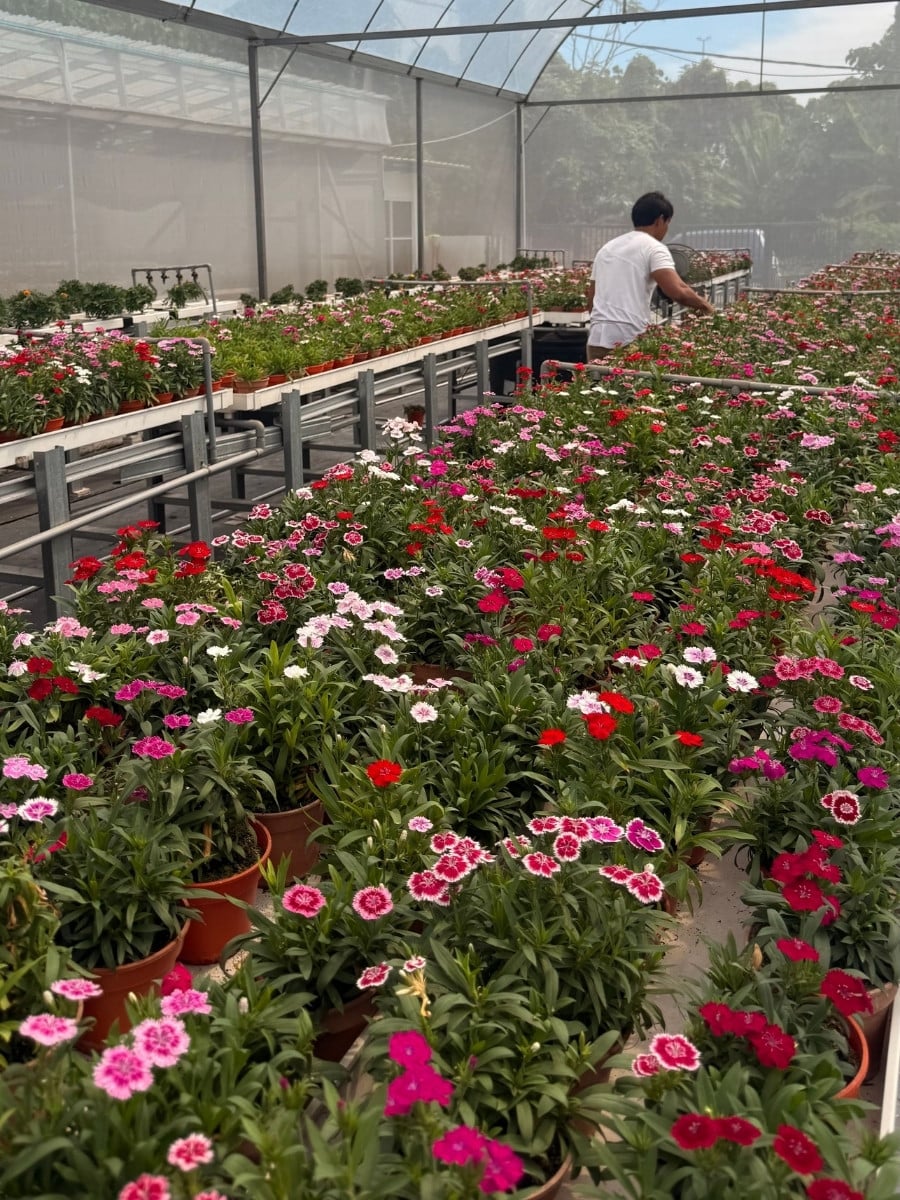
IFA FO, therefore, requires growers to manage water use, plant nutrient application, integrated pest management, responsible plant protection product usage, waste management, and overall resource efficiency. These practices maintain soil health, reduce chemical runoff, and create stable conditions for biodiversity to thrive.
Evaluating the Success of Biodiversity Measures
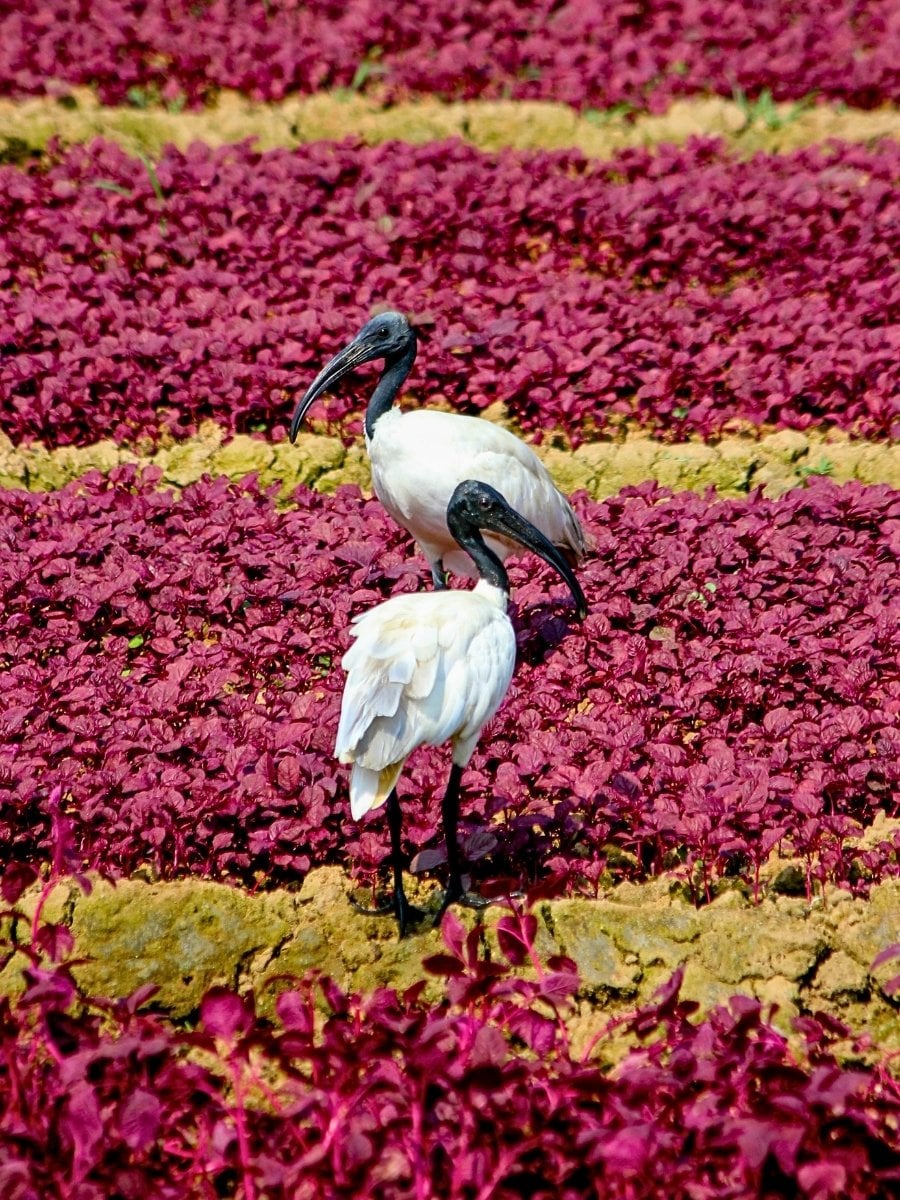
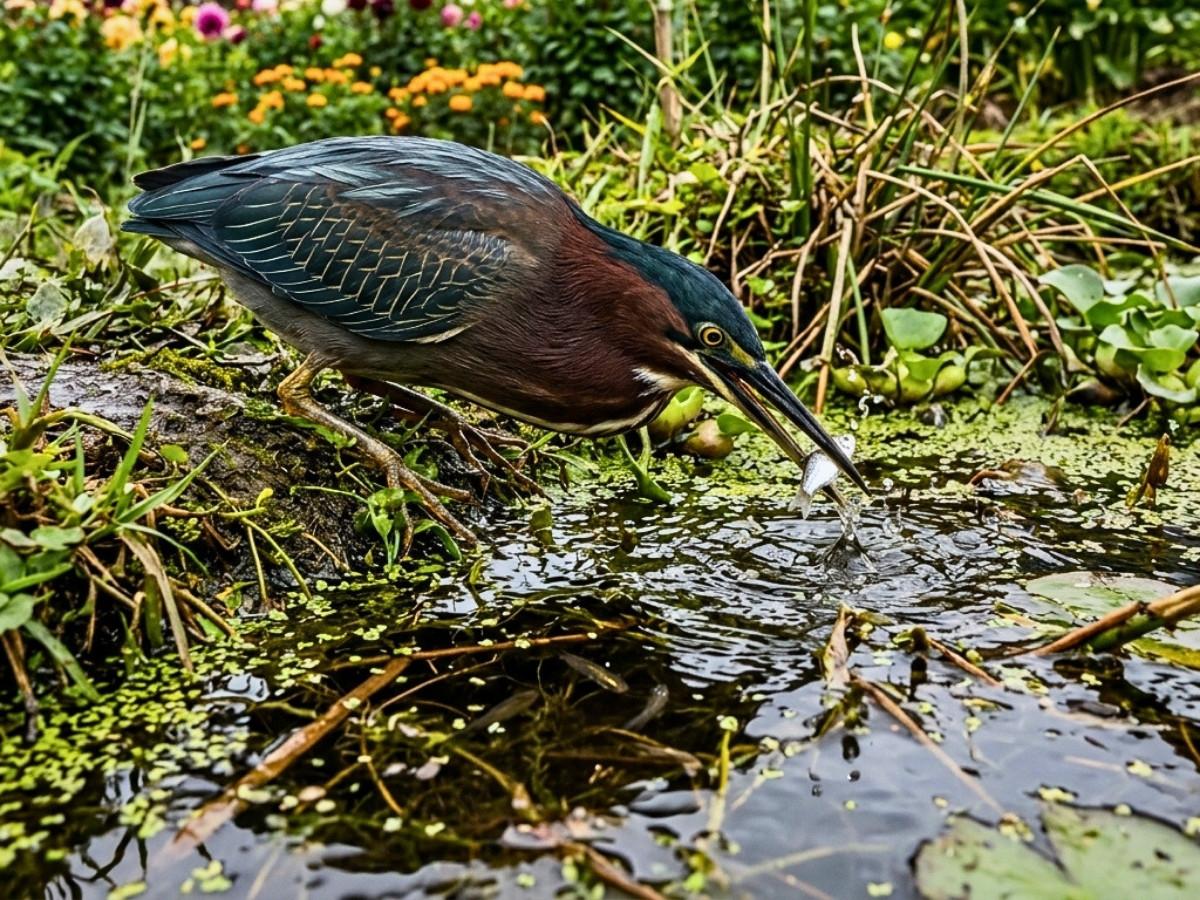
To evaluate the success of biodiversity measures (without incurring prohibitive ecological surveying costs), the recommendation is to monitor specific indicator species and habitat metrics. Birds are particularly effective indicators due to their sensitivity to habitat changes and their roles in pest regulation, seed dispersal, and pollination.
In Colombia, an ongoing study initiative led by Asocolflores, Florverde, and the Bogota Ornithology Association evaluated bird populations across 28 flower farms in the Bogota savanna and Antioquia region. The study cataloged local birds and compared their population trends against baseline data, providing evidence of how farm-level habitat conservation supports avian conservation.
Standardized environmental accounting is further supported by lifecycle assessment frameworks. In February 2024, the European Commission formally approved the Floriculture Product Environmental Footprint Category Rules (FloriPEFCR) standard, developed through collaboration between Royal FloraHolland, Wageningen University and Research, and industry partners.
FloriPEFCR establishes uniform calculation rules across 16 environmental impact categories, including water consumption, land use toxicity, climate impact, and resource depletion. Supported by digital tools like the Flori Footprint Tool, growers can calculate environmental footprints per flower or potted plant, providing transparent data for buyers and consumers while preventing unsubstantiated environmental claims.
What a Stronger Biodiversity Requirement Necessitates
If the certification schemes act on the recommendations and move toward requiring formal BAPs, farms across growing regions would likely need to document several elements that remain optional or informal under many current standards. They will need a mapped biodiversity baseline, which covers a record of the species, habitats, and water bodies on and around their land, including any riparian buffer zones along nearby lakes or rivers.
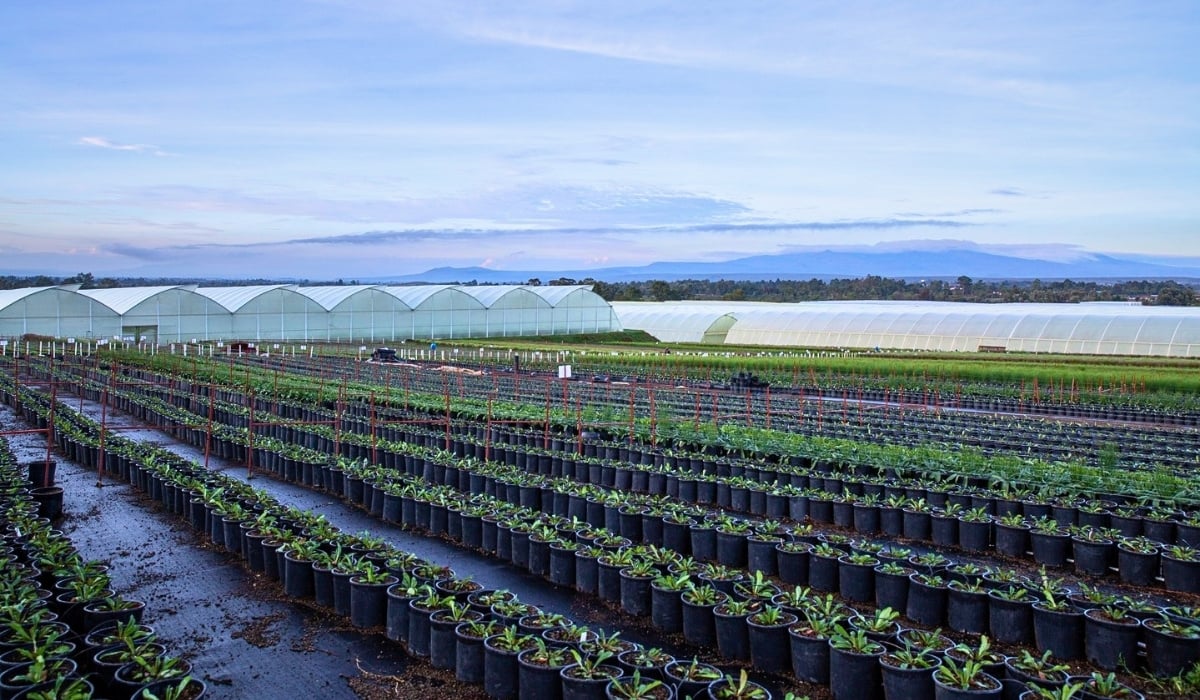
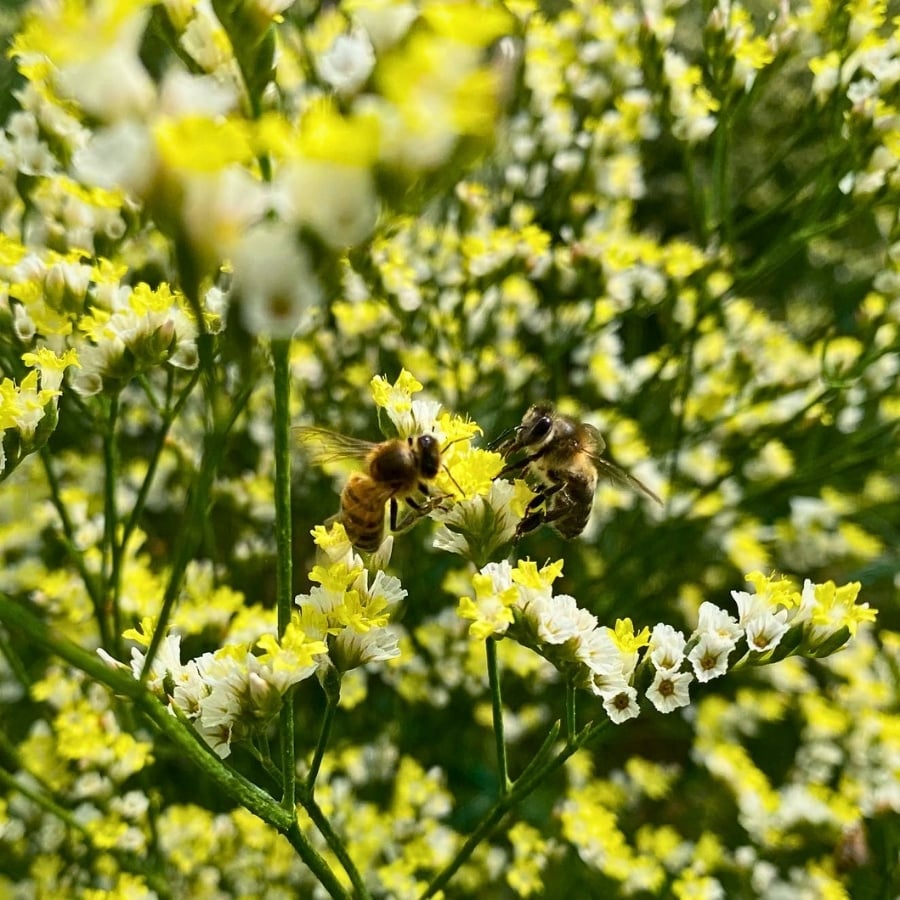
They would also need defined conservation measures tied to specific targets. Rather than general statements about protecting nature, such a plan would need actions, similar to the point-based approach used by Bioland or the mandatory landscape planning required by Florverde. Monitoring and reporting over time would be essential. Farms would track the outcomes such as pollinator activity, native vegetation cover, or wetland health.
Also, there would be an integration with existing water and pesticide programs. Since biodiversity, water use, and chemical inputs are closely linked, measures such as constructed wetlands, integrated pest management, and irrigation efficiency would likely count toward biodiversity compliance and not remain in separate categories. For those already working under the strongest tiers of the standards they use, much of this is already happening. But for newer operations, the added requirements would be a real, though manageable, investment.
Financing the Transition Across the Value Chain
Biodiversity-friendly production tends to require more labor, monitoring, and often more land set aside from cultivation. All these raise expenses for producers regardless of where they are based. Fair compensation for the added cost is, perhaps, one of the biggest unresolved issues. The standards, producers, and retailers could work together to build consumer willingness to pay a fair price for biodiversity-friendlier flowers.
The idea is that without a shared investment, stronger criteria risk becoming difficult to apply reliably, particularly for smaller producers who lack the resources of larger, well-established operations. The recommendations presented by the Global Nature Fund and Lake Constance Foundation could elicit this conversation among certifiers, retailers, and producer groups about how a workable, well-financed biodiversity standard would work.
The shared task and responsibility, therefore, remains bringing all the separate efforts together or into closer alignment, so that biodiversity criteria have the same weight and receive the same support across the floriculture value chain.
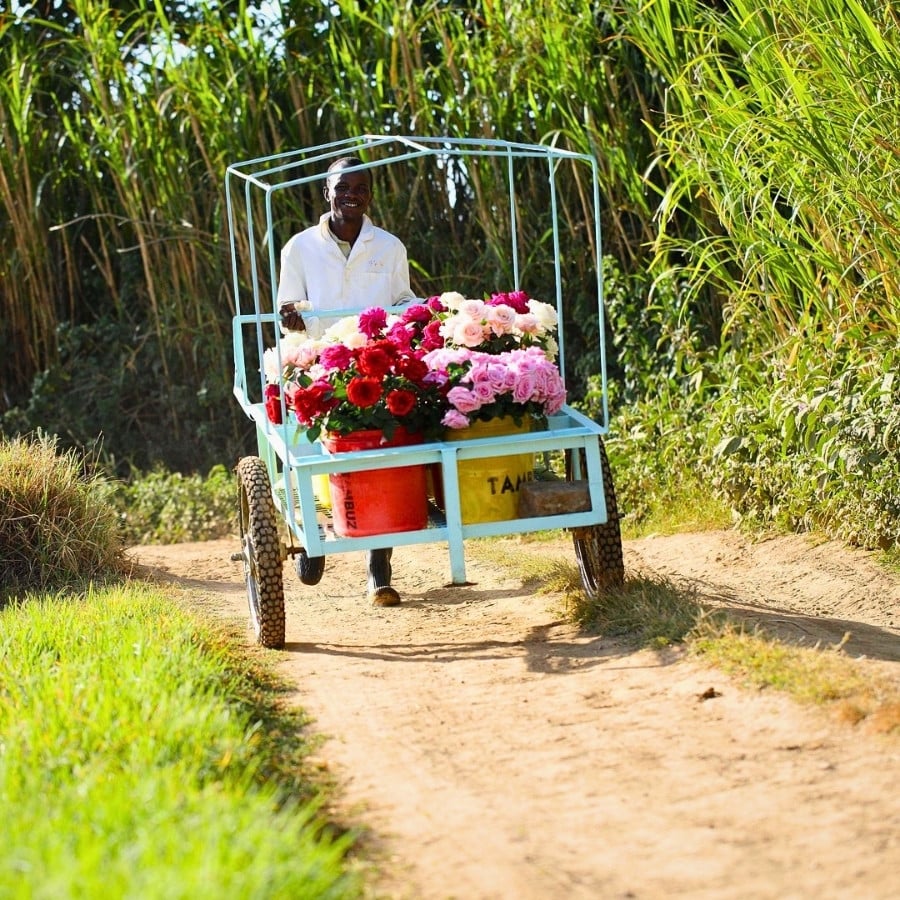
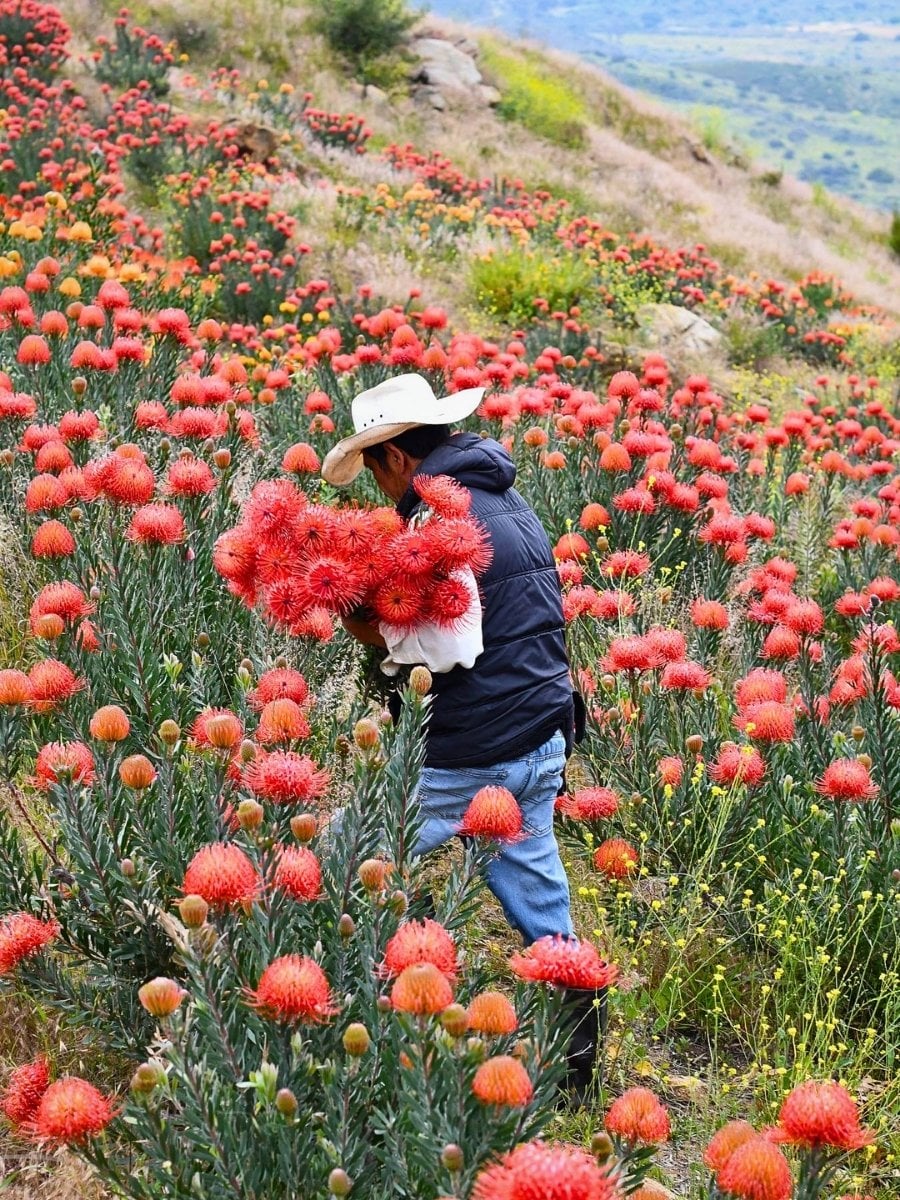
Featured image: @tambuziroses. Header image by @flowersofcolombia.