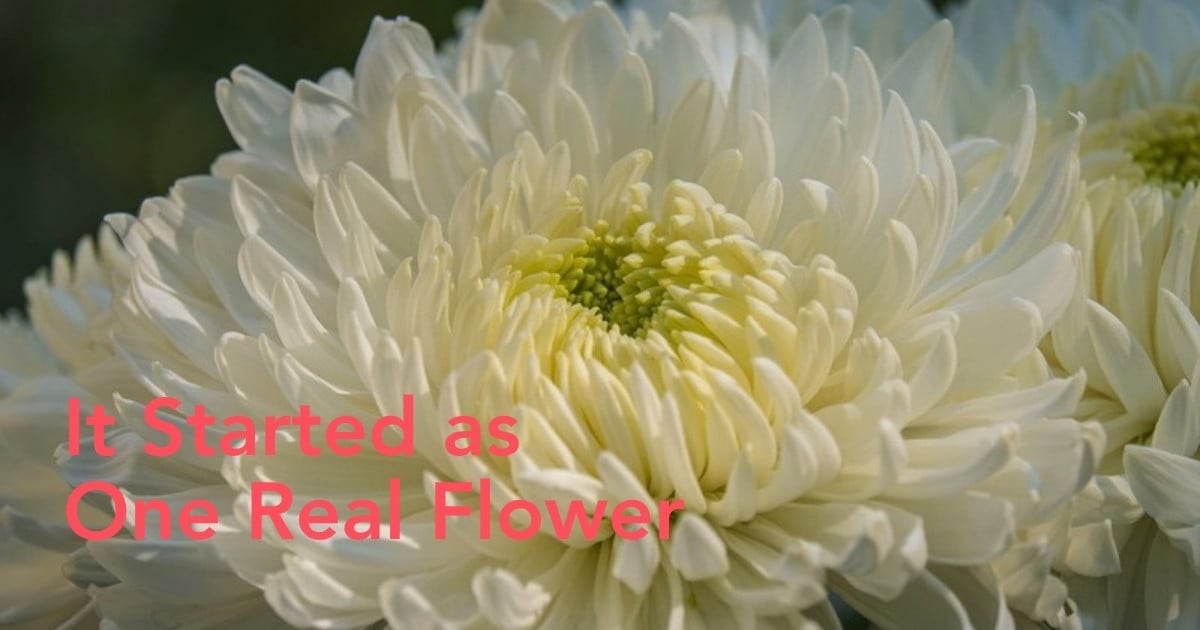
On homecoming Friday, some Texas high schools sound like a cattle drive. Cowbells ring on ribbons that hang to a junior's knees, a teddy bear in a football helmet rides on a senior's chest, and in the middle of it all sits a flower, almost always silk now. It is still called a mum, short for Chrysanthemum, because that is how the homecoming mum began: one real Chrysanthemum and a ribbon, pinned on for a college football game over a century ago. Here is what a homecoming mum is, where homecoming mums came from, why Texas homecoming mums grew so big, who gives them, and how a florist can bring the real flower back.
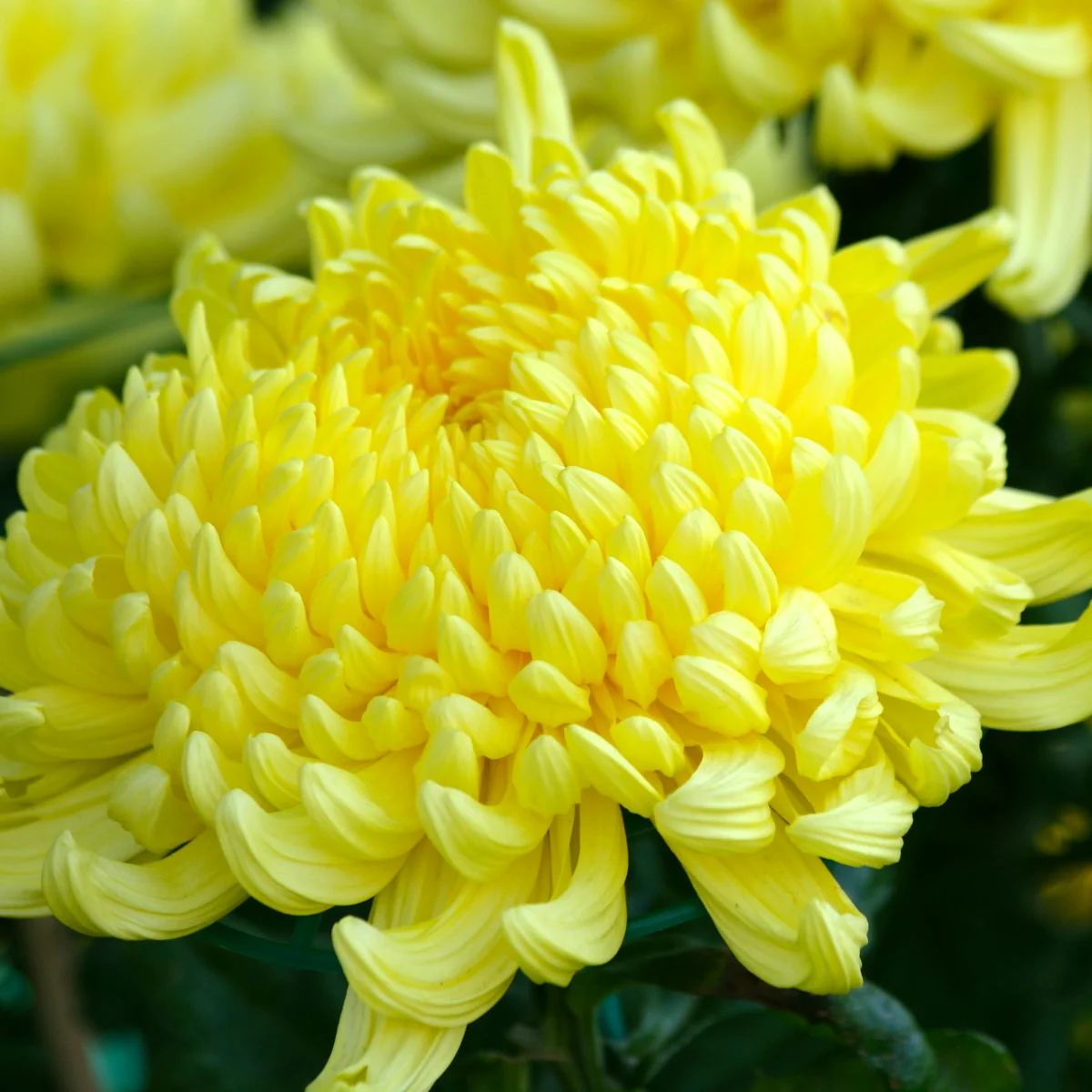
What Is a Homecoming Mum?
A homecoming mum is an oversized corsage worn on the day of the homecoming football game, mostly by high school students in Texas. The top is a flower, today almost always an artificial Chrysanthemum, and everything under it is ribbon: the school colors, the wearer's name and class year, and trinkets for each sport, club, or band the wearer belongs to. Bells, lights, feather boas, and stuffed animals come on top of that. Boys get a garter, a smaller version worn around the upper arm. Amy J. Schultz, the Texas photographer and author of the book MUMENTOUS, who has documented the tradition in photographs and hundreds of interviews, sorts today's designs into three styles: the mum, the garter mum, and the sash mum.
Size tells you the class year. At many schools, the mum grows with the wearer: a freshman's mum is small, and the senior mum is the biggest of all. In Plano, according to a local mum maker quoted by Plano Magazine in 2018, freshmen may wear one silk flower, sophomores two, juniors three, and seniors four, and senior girls usually wear all-white mums instead of the school colors. The extremes are serious. In 2020, Texas Highways put the price of a high-end mum at more than $1,000, and the largest mum ever made, by the hamburger chain Whataburger, at about 5.5 meters (18 feet).
Mums are worn at school on game day, at the pep rally, and at the game. The dance is another matter. Texas Highways says the big displays never go to the dance, which is usually held the next evening, and Plano Magazine notes that couples switch to fresh corsages and boutonnieres for it. Customs differ from school to school, though. A 2008 folklore study from the University of South Carolina, built on interviews with former students from Plano to McAllen, found that most of them had worn their mums to school, to the game, and to the dance.
Are Homecoming Mums Real Flowers?
Almost never. Most homecoming mums today are silk, and the people who know the tradition best say so without hedging. Schultz writes on her site that decades ago, mums were simple corsages of live Chrysanthemums, and that today's mums are almost always made from artificial ones. A real flower still turns up now and then, but as the exception.
The switch had good reasons. The flower had to get through a day without water, while the mum was meant to hang on a bedroom wall for years. Spectrum News puts it plainly: the real flowers were replaced so the mum could be kept as a keepsake. Size did the rest. Once ribbons reached the knees and cardboard backings gave way to plexiglass, the flower became the smallest part of the design, and Country Living describes mums that weigh more than 9 kilograms (20 pounds). Silk also comes in any shade, so the flower itself could finally match the school colors.
Thursd exists for real flowers and has made the case against artificial flowers before. On homecoming, the honest version is enough: the mum lost its flower for practical reasons, and the real one never disappeared completely. More on that below.
Who Gives the Mum?
By tradition, a boy asks a girl to homecoming, he gives her a mum, and she gives him a garter. The couple exchanges them a day or two before the game, Schultz writes. In practice, parents and other relatives buy or make a lot of them, and nobody needs a date anymore. Friends make mums for each other, students build their own, and parents give one to their son or daughter in senior year. Spectrum News and NBC DFW describe the same shift, from a gift between dates to a tradition anyone can join.
Class year shows in the size and the colors. Junior mums are usually bigger than sophomore mums, and senior mums are the biggest, often in white, or white and gold, instead of the school colors. Some seniors now skip that convention for a fashion color such as pink, Schultz notes.
The History of Homecoming Mums
1909 to 1911: A Real Flower at the Game
Around 1900, Chrysanthemums were a fashionable flower in the United States, carried by brides and worn as corsages on a night out, while college football was spreading fast. Football was played in the fall, and the Chrysanthemum flowered in the fall. Schultz calls what followed "a natural if not inevitable convergence." The pairing has never quite ended: in 2023, a rugby ball made of more than 6,000 Chrysanthemums toured Paris ahead of the Rugby World Cup.
Homecoming itself has more than one birthplace, depending on whom you ask. Baylor University in Waco and Southwestern University in Georgetown, both in Texas, held homecomings in 1909, and the University of Illinois followed in 1910. In 1911, Missouri's athletic director and football coach Chester Brewer invited alumni to come home for the game against Kansas, and more than 9,000 people did. Missouri's claim is the one that stuck: The Maneater, the University of Missouri's student newspaper, reports that the NCAA credits it. It is also where Texas Highways puts the start of the flower tradition: "the first known homecoming mums were worn in Missouri, which also hosted the first-ever homecoming football game in 1911."
Those first mums were real: a Chrysanthemum given by a young man to his date, with a ribbon or two, pinned to her clothes. A photo of the 1913 Missouri homecoming game against Kansas, published by Schultz, shows Chrysanthemums in the front row of the stands.
1936: The First Mum in Texas
The first mum on record in Texas turns up at a Baylor University football game in 1936, Texas Highways reports, adding that some claim Texans wore them before the 1930s. Schultz has a photo from that year of Baylor's homecoming queen, holding a football in front of a parade float and wearing a corsage of a single live Chrysanthemum. By the late 1940s, she writes, the mum was the standard homecoming corsage flower at colleges and high schools across the country.
Who made the first Texas mum is a better story than it is a fact. Plano Magazine tells it with a careful "the story goes": a fraternity fundraiser, with one member's mother, a florist, making small Chrysanthemum corsages for the young men to buy for their dates. Spectrum News credits an unnamed Texas florist with adding ribbons in the school colors, the step that turned a corsage into a Texas mum.
From Corsage to Costume: 1950s to Today
The growth spurt happened in Texas alone. Texas high schools took the college custom over in the 1950s and 1960s, and only there did the mum start to grow beyond a corsage, Schultz writes; Spectrum News dates the high school takeover to the 1960s. Florist Kathi Thomas, interviewed for that 2008 folklore study by University of South Carolina student Tori Espensen-Sturges, learned mum making as a child in her parents' shop, in the years when mums were still made from fresh flowers. That meant staying up the night before homecoming to make them.
Size needed a structure. The same study credits George and Janice Barnes of Spring Garden Wholesale in Brownsville, Texas, with inventing the 'mum back' around 1972: a large cardboard circle with a hole in the middle, to which ribbons could be stapled all the way around the flower. According to the study, it set off an explosion in the popularity of mums and changed their shape for good.
By the 1980s, the real flower was on its way out. Plano Magazine and Country Living both date the change to silk to the 1980s, Country Living stretching it into the 1990s, and NBC DFW published a photo from 1982 captioned as a throwback to when mums were live flowers delivered by a florist. Texas Highways names the reason in a phrase, the flower's short life, and says the artificial mum was glamorized in the 1990s. By the early 2000s, Schultz writes, Texas mums had left their roots behind completely.
Part of the business left the florist along the way. Amy Fogarty, whose family runs The Mum Shop in Plano, told Community Impact in 2018 how the family business got into mums: her mother saw the local florist's price for a mum and said, "I am not spending that on your friends!" By 2018, The Mum Shop served roughly 70 schools. Mums Inc., a network of professional mum makers founded in 2012, lists more than 249 members in Texas, Oklahoma, and Florida. Country Living put the price of an early Texas mum at around $3. For 2026, Schultz puts the average mum or garter at $75 to $500.
Why Homecoming Mums Are a Texas Thing
Every state has homecoming, and only Texas turned the corsage into this. Football is the first reason. In the South, football is king, as the 2008 folklore study puts it, and it found that small, rural towns, where Friday night football is the event of the week, put far more into homecoming and mums than big-city schools. Kathi Thomas, who gave mum shows across the Deep South, told the study that mums exploded in Texas and never really took off in other states, despite the efforts of florists. Her definition of a mum is still the best one going: "football spirit brought to solid state."
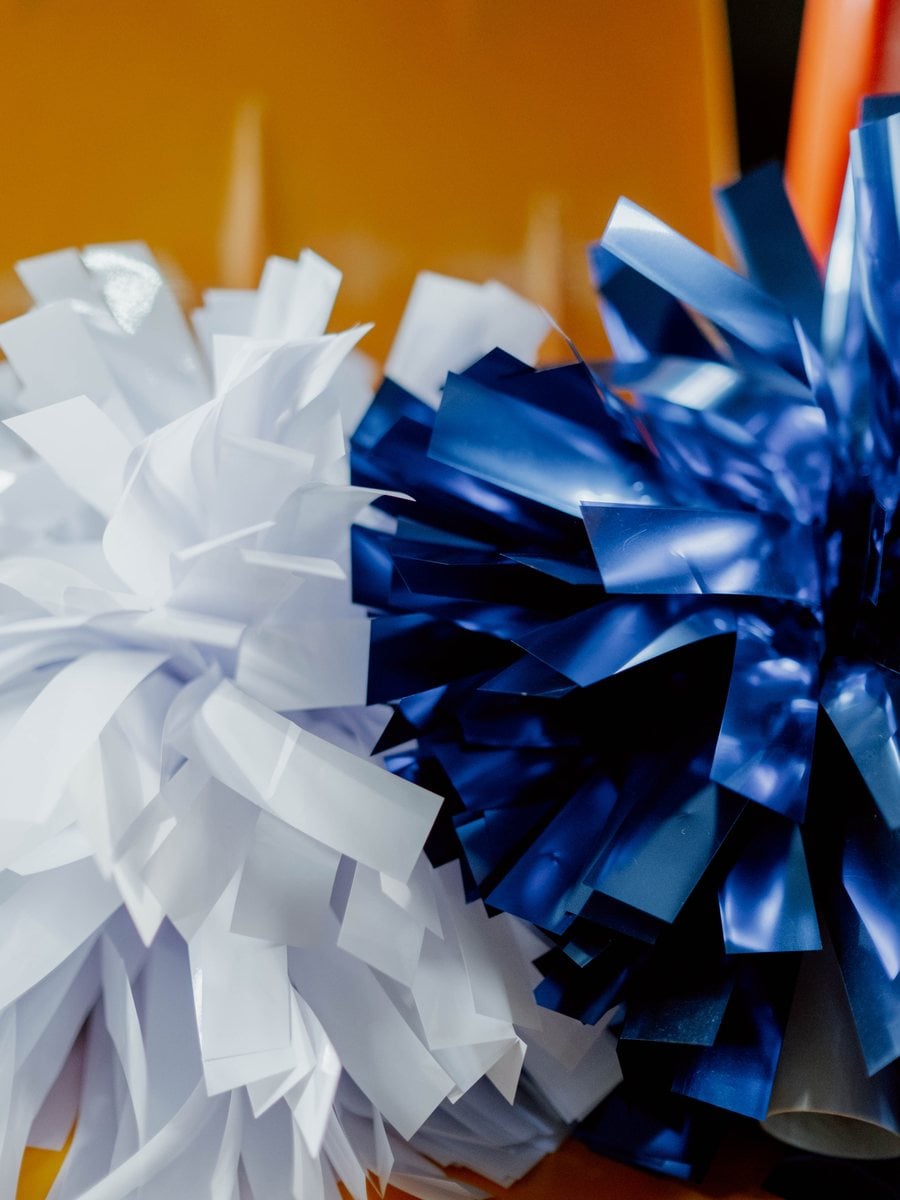
Scale is the second reason. "The gaudier, the better," Texas Highways writes, and it maps the state by style: large mums in the standard school colors in North Texas, smaller traditional ones on the Gulf Coast and in South Texas, and large mums in Houston, where plum, cream, teal, and pink join the school colors. Central and East Texas keep them knee-length or shorter, and West Texas prefers small, waist-length mums heavy with trinkets.
The third reason is the people who keep it going: parents at kitchen tables, volunteers making mums to sell for the marching band, and the professional mum makers who turned it into a trade. Schultz's exhibition MUMENTOUS: The Upsizing of a Texas Tradition, shown at the Arlington Museum of Art, is largely about them, and in particular about the women behind the tradition. The tradition has started to travel, too. Country Living found mums in Oklahoma and Louisiana, and Schultz adds New Mexico and Florida.
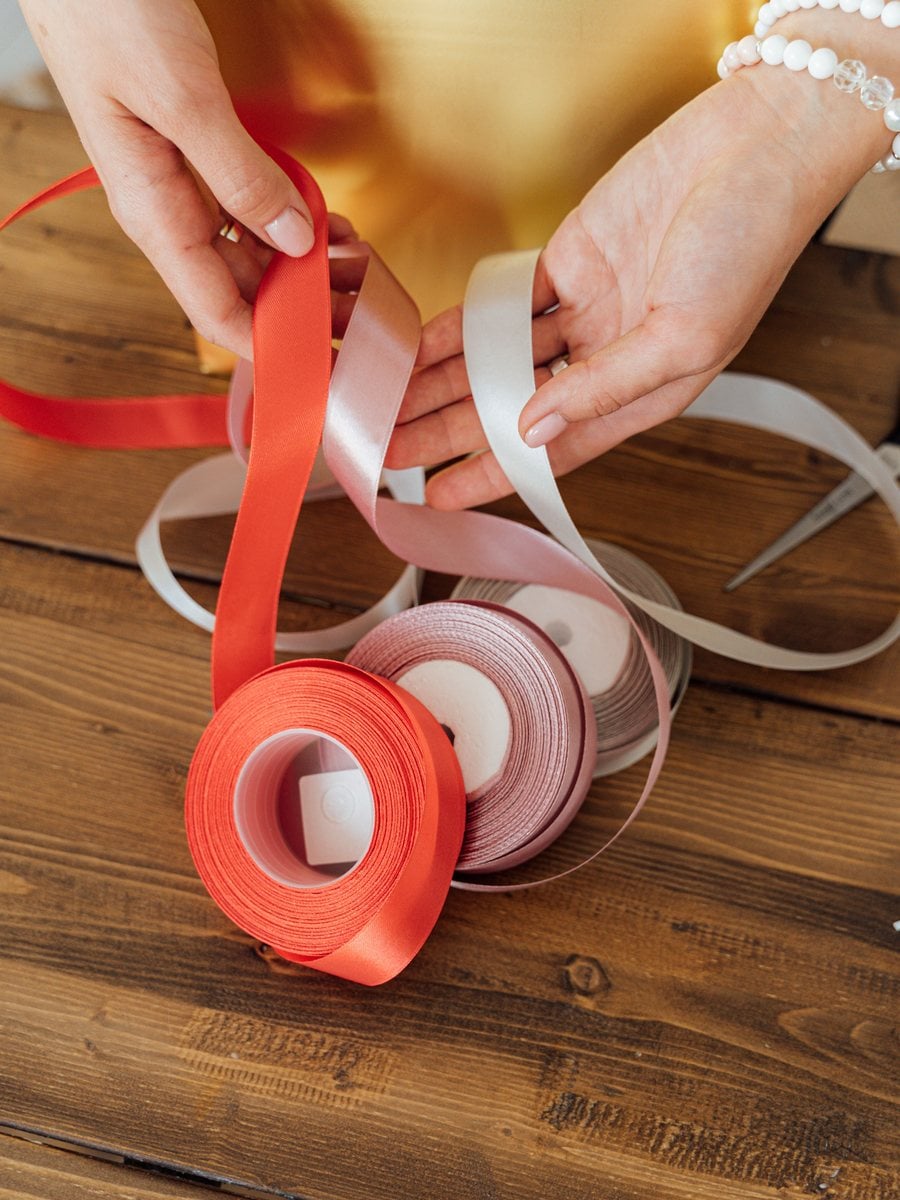
Texas has its own state flower, the bluebonnet. On homecoming Friday, though, the flower that counts is a Chrysanthemum, even when it is made of silk.
Can a Florist Make a Real-Flower Homecoming Mum?
Yes, and it is the original. A real-flower mum is one big Chrysanthemum with ribbons, and it lasts one long day instead of years on a wall. Some florists never stopped offering it. Good Old Days Florist in New Windsor, New York, sells its homecoming mum corsage in yellow or white, fresh or silk, with ribbons in the school colors. In Texas, the real flower still makes an entrance now and then. Schultz tells of a senior who gave his girlfriend an "old school" Chrysanthemum corsage while she bought him a boutonniere; the whole thing cost $65, and, she writes, "their drip was considered next level."
The flower decides everything. A homecoming mum needs a disbud, a Chrysanthemum grown to one big flower per stem. In the American wholesale trade, the big ones are still sold as 'football mums', a name that says where they spent their autumns. The timing works, too: Thursd's product page for Chrysanthemum Vienna Copper lists it from August to mid-November, right through homecoming season.
Which Chrysanthemum for Which School Color
These five disbuds, bred by Dekker Chrysanten and Deliflor, which its Thursd profile calls the largest Chrysanthemum breeder in the world, cover a good share of the school colors in Texas.
White, for the senior mum: Chrysanthemum Antonov, a white disbud from Dekker Chrysanten with flowers that can reach 20 cm (8 inches) across, grown by VannoVa. For a senior who wants the traditional white mum and a real flower, it is the obvious order.

Gold and red: Chrysanthemum Fuego, a bronze-red bicolor disbud from Deliflor, grown by Rio Roses. Its Thursd page says it is especially popular in Eastern Europe, where people love large flowers, so Texas is not the only place with a taste for a big Chrysanthemum.
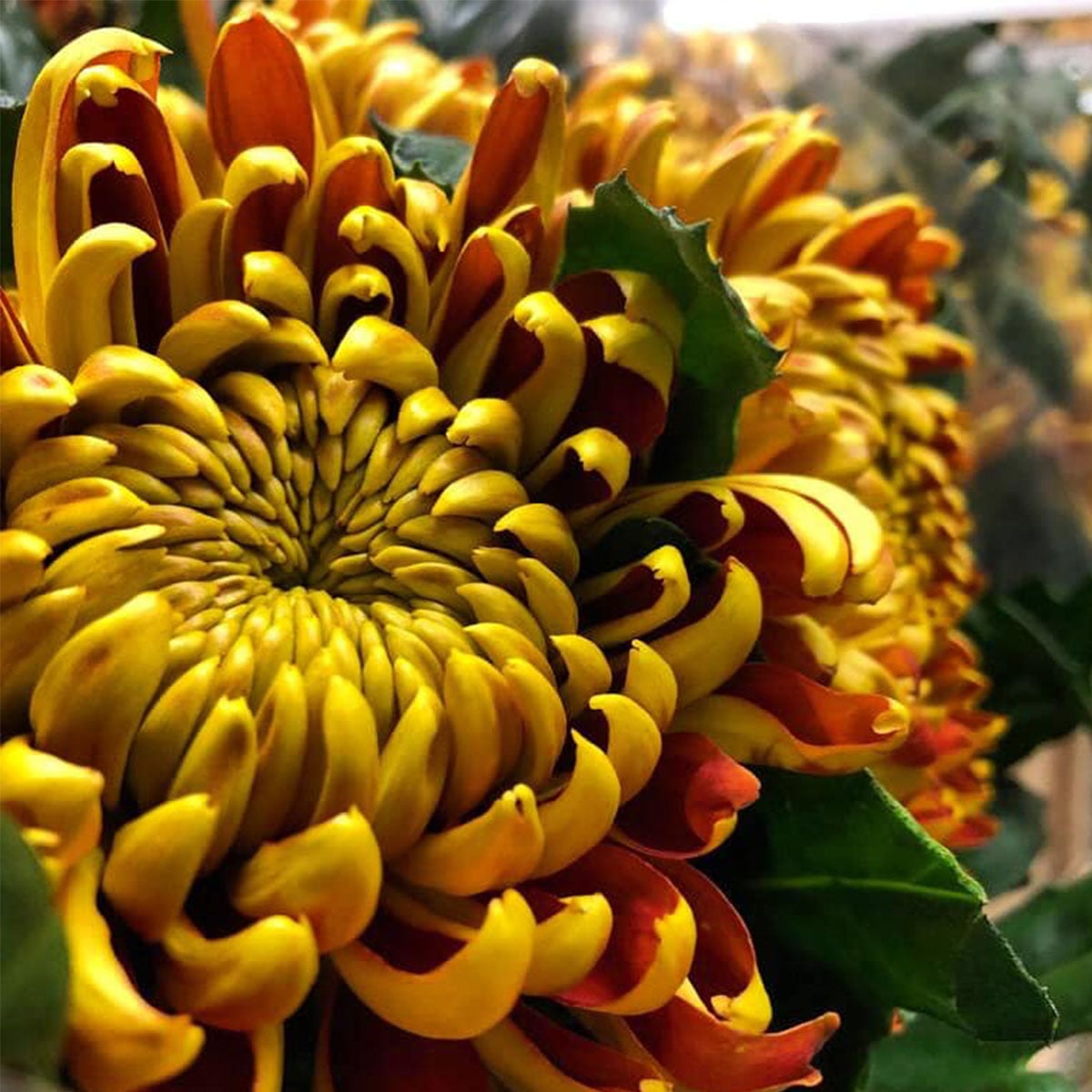
Bronze and orange: Chrysanthemum Vienna Copper, a brown-cream disbud with incurved petals, grown by Arcadia Chrysanten, a grower that specializes in disbuds. Thursd paid it a tribute in 2020.

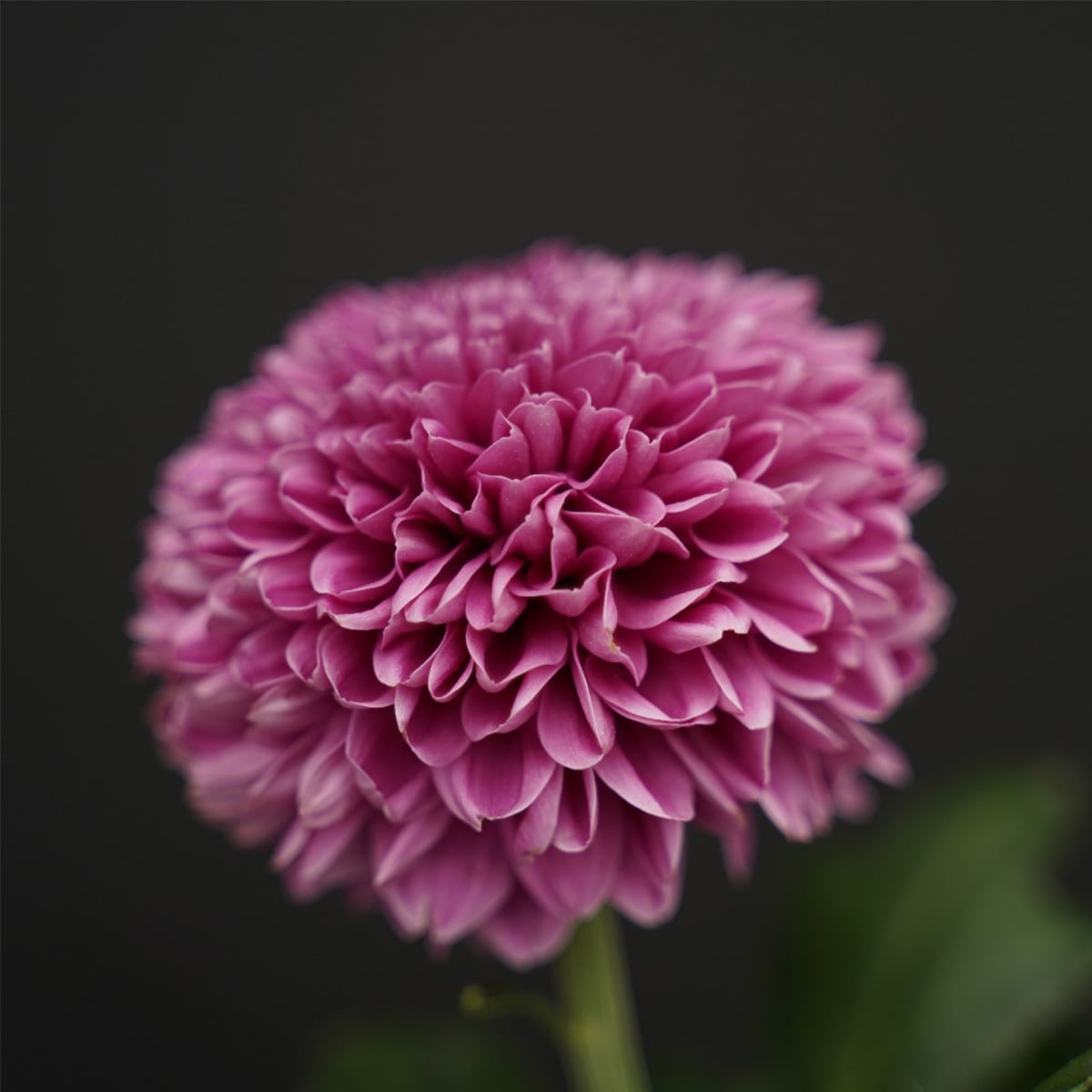
Purple: Chrysanthemum Gustav, a bright purple disbud pompon from Dekker Chrysanten, grown by Arcadia Chrysanten: one round flower per stem.
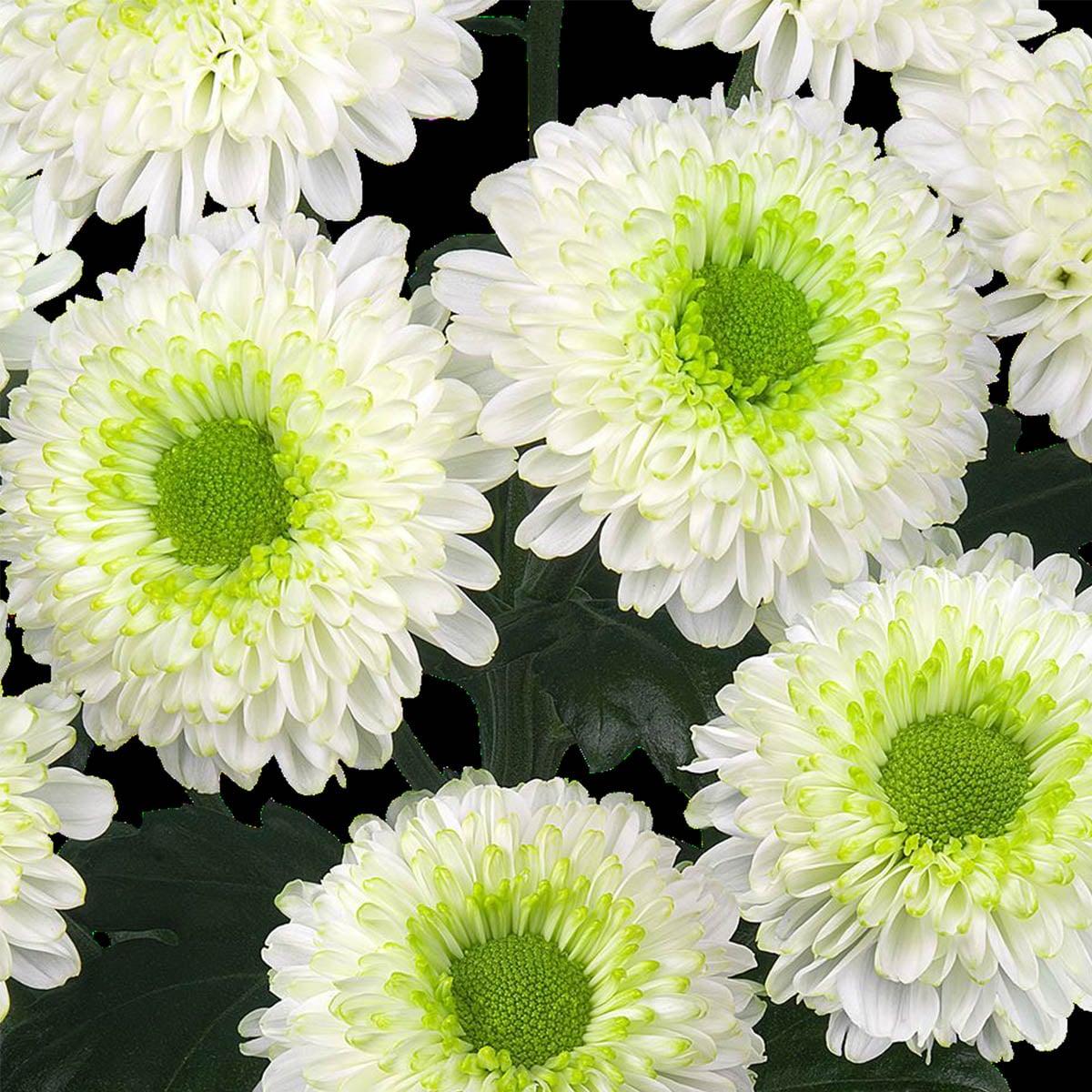
Green and white: Chrysanthemum Big Boss, from Dekker Chrysanten, grown by Zentoo: big white flowers with a green heart, made for a school in green and white.
For a garter, a freshman's small mum, or a color that no Chrysanthemum grows, florists turn to spray Chrysanthemums, which carry several smaller flowers on one stem. Chrysanthemum Chic, a white spray from Royal Van Zanten, grown among others by Staalduinen Chrysanten in 's-Gravenzande, takes dye well, which opens up colors the greenhouse does not grow; Thursd showed how dyed Chic works. For the whole story of the flower, from Chinese herb to the queen of American fall flowers, read Thursd's history of the Chrysanthemum, and for what each color says, Chrysanthemum meaning and symbolism. To grow mums instead of wearing them, Thursd's guide on how to care for mums and which mums are perennials has the rest.
How to Make a Fresh Mum Last Through Game Day
The standard is simple, and floral designer and educator Jackie Lacey, AAF, AIFD, CFD, PFCI, set it out for Hardin's Wholesale Florist: "Any floral product used for homecoming needs to be able to hold up for a couple of days with no water source." Chrysanthemums are made for it: the same Hardin's piece calls them one of the most rugged and vigorous of all cut flowers. A few habits make the difference.
- Start with conditioned stems. The care line on every Thursd Chrysanthemum page applies: a clean vase, fresh water with flower food, 3 to 5 cm (1 to 2 inches) off the stem with a clean knife, no leaves in the water, and no drafts, direct heat, or ripening fruit nearby, since the ethylene from fruit shortens their life.
- Build it light. A real flower cannot carry a plexiglass back and ribbons to the floor. One or two disbuds on a small ribbon backing, pinned on or worn on a ribbon around the neck, is the historic form and the practical one.
- Seal it. Hardin's advises spraying an anti-transpirant once the piece is finished and letting it dry completely before it goes into the cooler. Some products seal the moisture in, while others only slow it down.
- Keep it cold until the handover. Hand a fresh mum over on the morning of homecoming, not the day before, and keep it in the cooler until then.
- Let the ribbons be the keepsake. The ribbons can go on the wall afterward, and the flower can be dried: Chrysanthemums are among the flowers that come out of the microwave well, according to Thursd's guide on how to dry flowers.
For florists in towns where homecoming is big, a real-flower mum is an easy addition to the season: a fresh option for the students who want the old version, next to the silk mums the professional mum makers do so well, plus the fresh corsages and boutonnieres the dance still asks for. Anyone shopping for mums for homecoming who wants the real thing can ask a local florist, and the florists on Thursd are a good place to start.
Sources opened for this guide: Texas Highways, Mum's the Word, by Julia Jones (September 2020); Spectrum News, A Texas tradition: the history of the homecoming mum (2024); Amy J. Schultz, Mumentous, homecoming mum FAQs (updated 2026) and Football, Homecoming and the Chrysanthemum (2023); Arlington Museum of Art, MUMENTOUS: The Upsizing of a Texas Tradition; Country Living, How Giant Homecoming Mums Became a Texas Tradition (2019); NBC DFW, Massive mums are back (2023); Plano Magazine, Texas Traditions: Homecoming Mums, by Kaci Lahpor (2018); The Maneater, Did MU really invent homecoming? (2022); Community Impact, Plano's Mum Shop (2018); Tori Espensen-Sturges, More Cowbell: Homecoming Mums and Garters (University of South Carolina, 2008, on SCETV's Knowitall); Hardin's Wholesale Florist, Lasting Homecoming Flowers (2019); Flower Explosion, White Football Mum.
Featured image: a yellow disbud Chrysanthemum, photo by Jeff Yang on Pexels. Header image: a white disbud Chrysanthemum, photo by Ilo Frey on Pexels. Body photos by cottonbro studio and Antoni Shkraba on Pexels, and Thursd product photography as credited under each picture.