This year marks one hundred years since the birth of David C. H. Austin, born on 16 February 1926. It was supposed to be a year of celebration only. In July the family and the industry also lost his son, David J. C. Austin, chairman of David Austin roses, who died at home in Shropshire aged 67 after being diagnosed with Creutzfeldt-Jakob disease. His children Richard, James and Olivia said it plainly: first and foremost, their father was a gardener. Thursd published a tribute to him in July.
A Centenary and a Loss
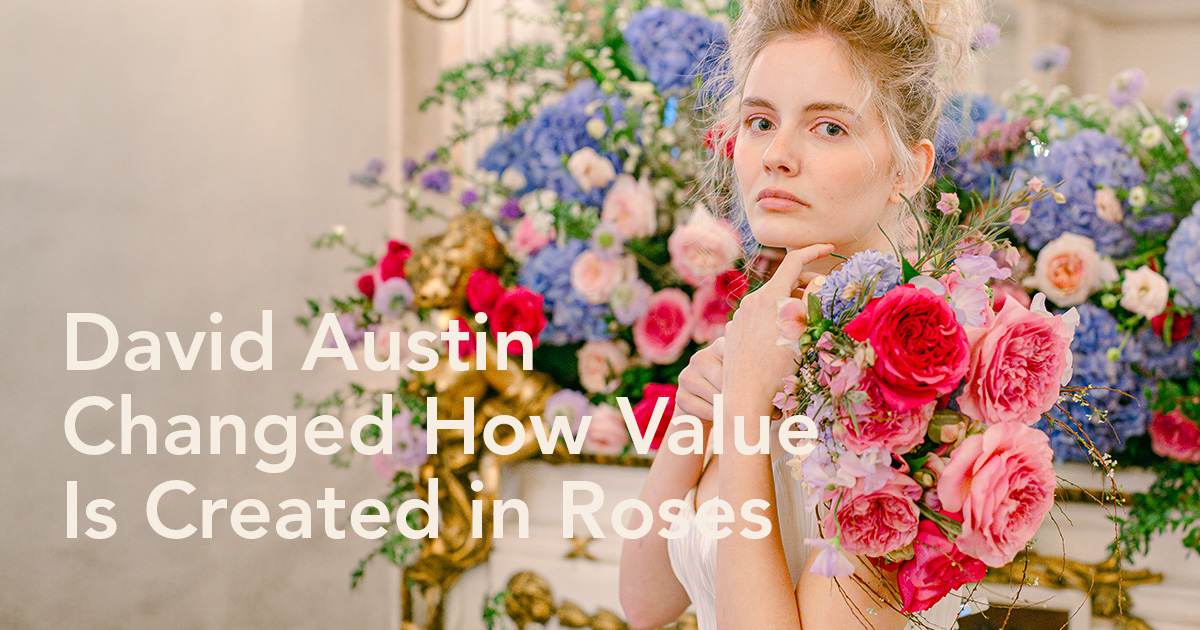
A centenary and a loss in the same year is why I wanted to finish this piece instead of leaving it in drafts. Thursd already ran the centenary story honoring the founder. I want to add the industry lens, because the strategic part of this story rarely gets told. David C. H. Austin did not simply breed roses with a different shape or a stronger perfume. He changed how value is created in roses. He proved that a flower variety can become a brand asset. And in a sector mostly optimized for scale and uniformity, that shift still moves pricing, storytelling, and buyer behavior today.
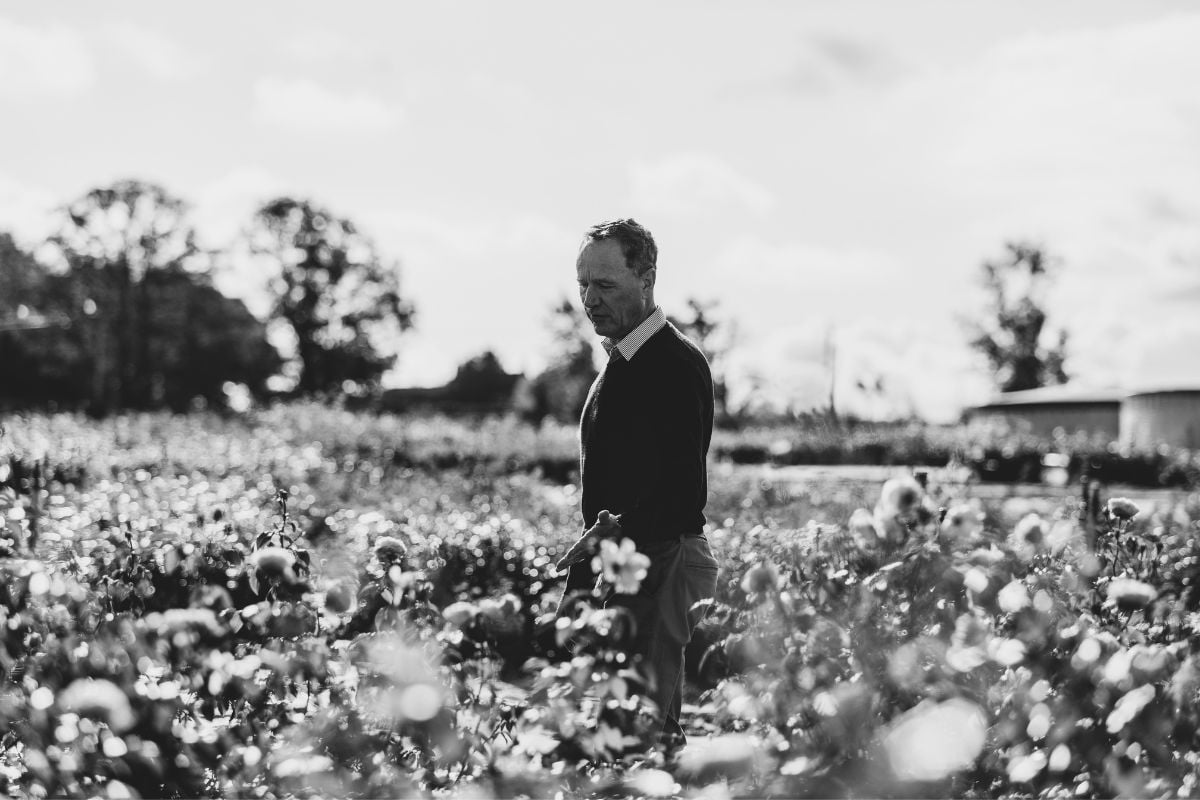
Worth separating the two men, because the trade mixes them up constantly. David C. H. Austin (1926 to 2018) founded the business in 1969 and bred the first English Rose, Constance Spry, in 1961. His son David J. C. Austin (1958 to 2026) joined in 1990 and ran the company for more than three decades, turning a specialist Shropshire nursery into a name recognized worldwide. The father created the product. The son built the business around it. Both parts matter for what follows.
David Austin Roses Created a New Value System in Cut Flowers
For decades, roses were largely traded as a standardized product. Color, stem length, head size, and vase life defined the commercial conversation. That model still exists, but David Austin roses introduced a parallel reality. A reality where a named variety carries recognition beyond the supply chain. A reality where the consumer asks for a specific rose by name, not just a color grade. This is a major shift in how cut flowers are valued.
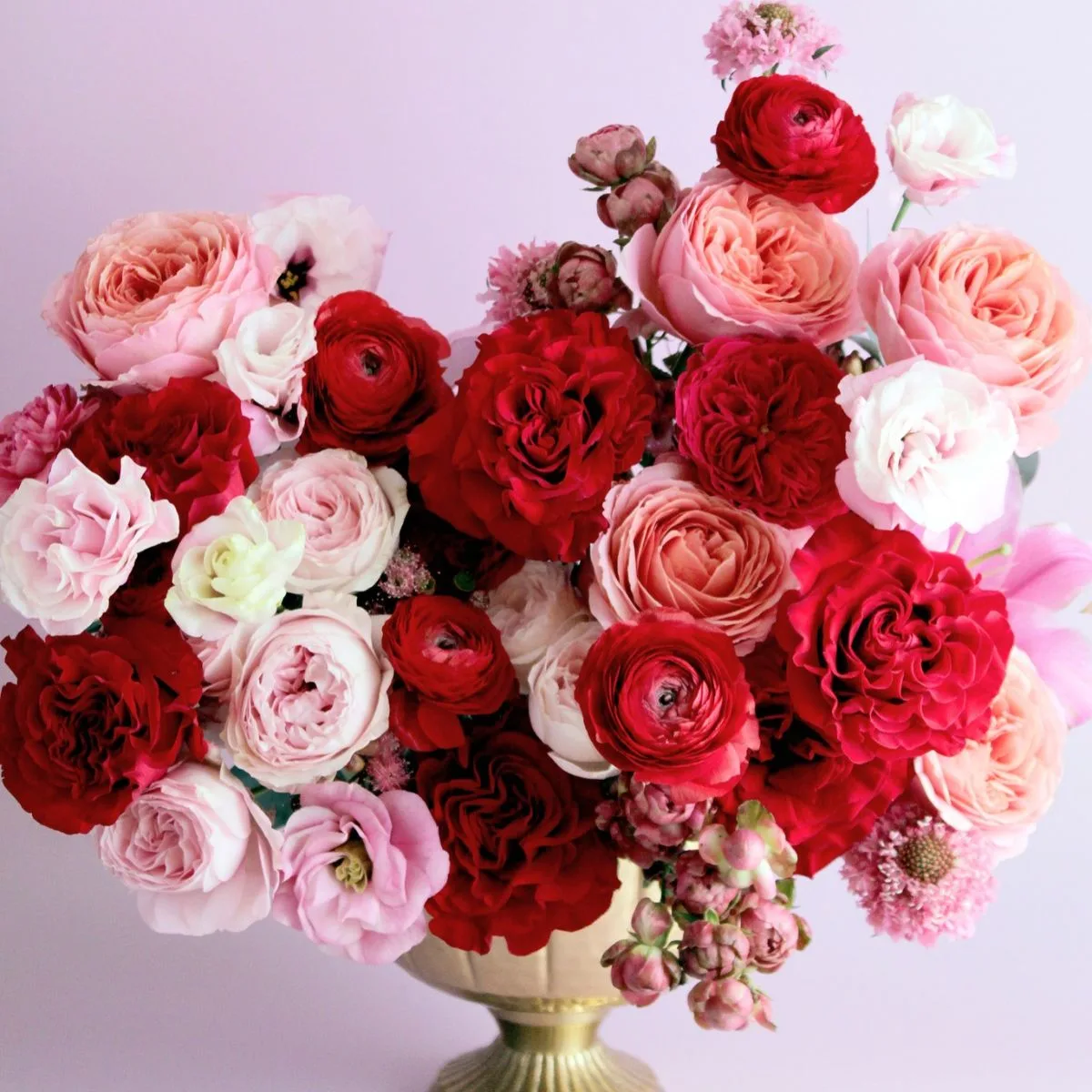
Within weddings and high-end event design, this became especially visible. Customers of wedding designers did not simply ask for a blush peach garden rose. They asked for Juliet. They did not merely want a white garden rose. They asked for Patience. That was category-defining. When a variety name becomes part of the consumer vocabulary, it creates brand pull. Brand pull unlocks margin stability. It also unlocks loyalty and repeat demand that is not purely price-driven.

I think the branding of the David Austin wedding roses was and is the flower program that achieved that. It happened by design, not by accident. The aesthetics were distinctive. The fragrance was real. The names were memorable. The story was coherent. The gardens in Shropshire became part of the identity. Together they formed one of the strongest brand architectures in modern horticulture.
Fragrance and Form Were the Signal, and Naming Was the Breakthrough
Many professionals describe David Austin's contribution as the return of fragrance. True, and it matters. But the deeper commercial innovation was pairing fragrance and form with naming and identity. In a typical commodity market, variety names stay hidden in the background. The supply chain might track them, but the end consumer rarely knows them. David Austin roses broke that rule. The variety name became part of the product experience.
That mattered for the trade because it changed the nature of demand. When customers ask for a named rose, the conversation shifts from substitution to specification. Specification is a different value system. It reduces interchangeability. It also strengthens the role of growers and distributors who can guarantee authenticity and consistency.
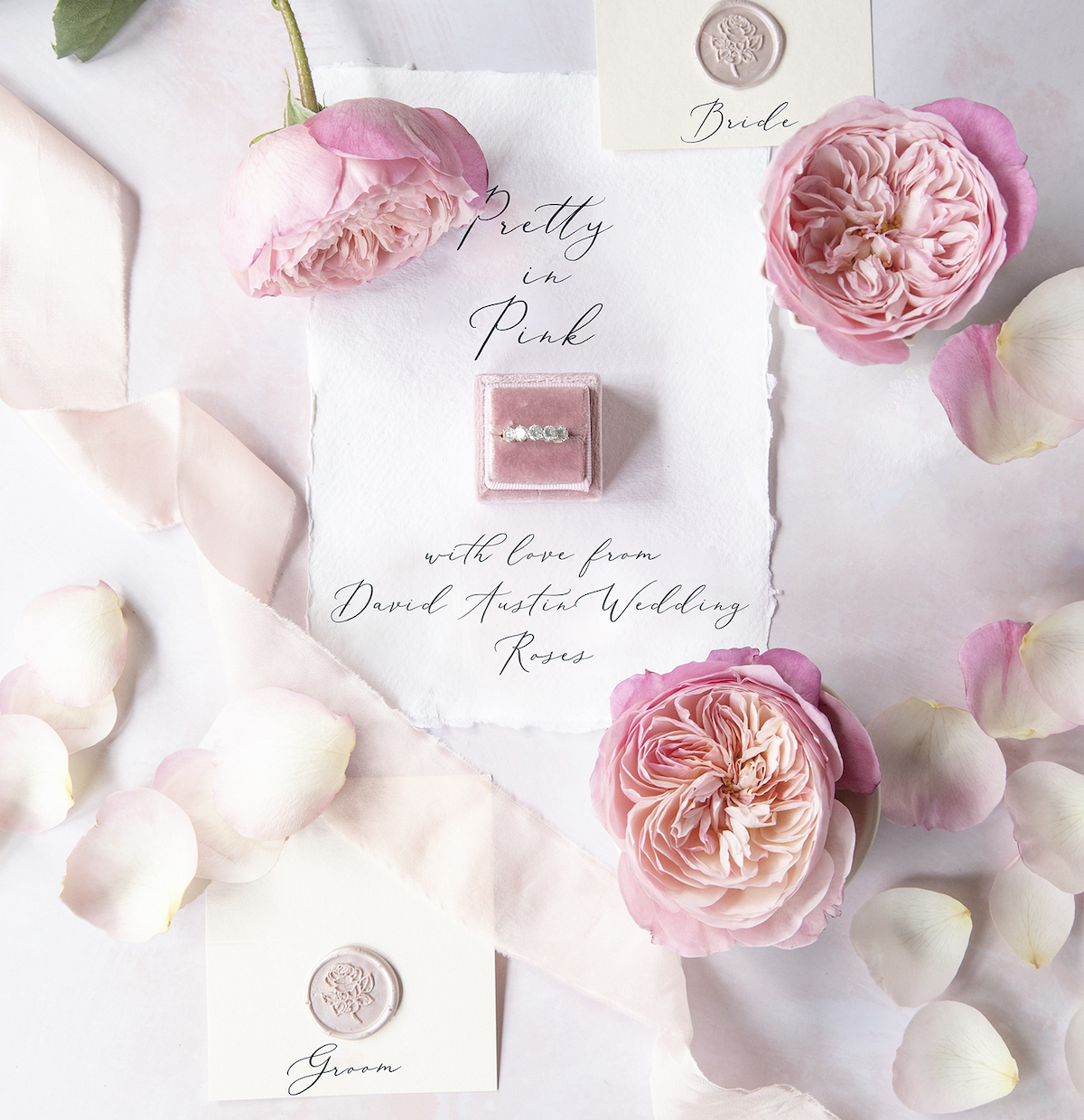
It is the difference between selling a category and selling a signature. David Austin roses became signatures. That let designers build recognizable styles. It let planners market a sensory experience, not only a visual one. And it let the wider market understand that roses can carry identity the way wine carries terroir or fashion carries a label.
The most recent proof arrived in May 2026, when David Austin Roses launched Sir David Beckham at the RHS Chelsea Flower Show, on sale from 18 May. The rose was first raised in 2012 and spent more than ten years in trial before release. The idea came from Beckham's daughter Harper, who wanted something lasting for his 50th birthday, and GBP 2.50 from every rose sold goes to The King's Foundation. Look past the celebrity headline and the mechanics are exactly the ones this company has used for sixty years. A long breeding cycle. A name people repeat. A story that travels outside the trade. It landed in mainstream press that never writes about rose breeding, which is the whole point.
The Wedding Market Became the Global Amplifier
The wedding market did something important for David Austin roses. It became the amplifier that turned product excellence into global demand. Weddings reward emotional storytelling. They reward texture and movement. They reward scent. They reward photography. And they reward differentiation, because no couple wants a generic look. David Austin roses fit that environment perfectly.

As social media and visual culture matured, the rose became even more visible. A photograph of a garden rose conveys luxury instantly. But what made the brand unique is that the scent also mattered. Florists and brides began to notice that the sensory layer created a different emotional reaction. That is rare in cut flowers, because fragrance has been bred out of most modern varieties in favor of transport resilience and production efficiency. If you want the wider picture there, Thursd covered the scented roses florists actually rate and how rose breeding really works.
David Austin roses reintroduced a different promise. They promised beauty with depth. That promise let the market price, position, and talk about roses differently. Over time, it created a premium segment that is now structurally established in the global rose category.
The program has not stood still either. Ottilie and Ariadne, two new David Austin wedding roses more than a decade in the making, joined the collection this year. They arrive into a market that already knows how to receive them, because the habit of asking for the name is established. That is what a working brand does for a new introduction. It removes the cold start.
A Personal Industry View From Inside the Premium Rose Segment
Working in the premium rose segment between 2014 and 2019 gave me a close look at how this brand pull works in practice. Premium roses move differently through a supply chain. Logistics are still critical, but demand is often driven by emotion and specification rather than by weekly price comparisons. When buyers ask for a David Austin wedding rose, they are buying a reference point. They are buying a look and a feeling already defined in their mind. They do not necessarily buy what they want. They buy what their customers demand.
A huge difference, because once demand is defined at the consumer level, the power dynamic shifts upstream. The conversation is no longer about replacing one stem with another that looks similar. It becomes about delivering a specific promise that cannot easily be substituted. That changes pricing behavior, planning cycles, and even risk tolerance in the chain. Growers invest differently. Distributors allocate differently. Designers commit earlier. When the end client names the variety, the product stops being interchangeable and becomes a branded ingredient.

But a branded ingredient is only as strong as the farms behind it. Breeding creates identity. Growing protects it. For the David Austin wedding roses, the global brand promise rests on a small circle of licensed farms able to translate heritage genetics into flawless stems week after week. Geography matters. Altitude matters. Discipline matters. Only a handful of growers worldwide consistently meet that standard.
Tambuzi in Kenya
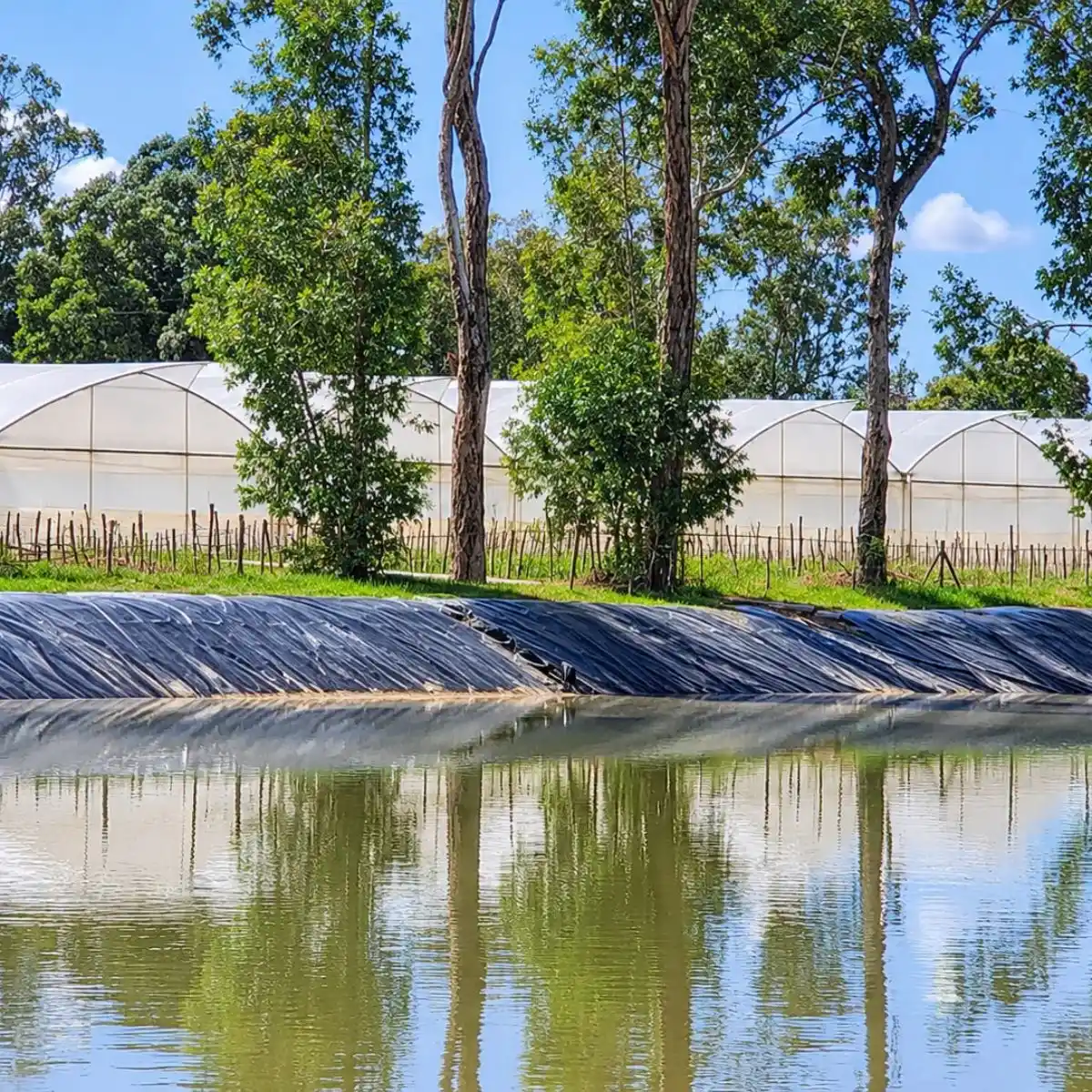
At the foothills of Mount Kenya near Nanyuki, Tambuzi grows roses in a high-altitude microclimate where intense light meets cool nights. Tim and Maggie Hobbs bought the derelict 64-hectare dairy and beef farm in the mid-1990s and founded Tambuzi in 1996. It is the only David Austin licensed grower in Kenya, producing varieties including Juliet, Keira and Constance, and it employs around 300 people across its sites.
The sustainability claims here are certified rather than asserted, which is the part that counts. Tambuzi is a B Corp, Fairtrade certified, LEAF certified and holds Kenya Flower Council Gold, the highest tier. More than 60 percent of daytime energy comes from solar, with rainwater capture on site. Thursd wrote about why Tambuzi leads on soil health management, which won them a Pinnacle award in 2025.

Growing David Austin roses in Kenya takes discipline. Petal formation has to stay soft and layered despite strong equatorial light. Fragrance has to hold through export logistics. Tambuzi has mastered that balance. The roses coming out of these fields carry depth, scent, and structure without losing their romantic softness. Quiet excellence that reinforces the integrity of the brand at origin.
Alexandra Farms in Colombia
On the Bogotá savanna at roughly 2,600 meters above sea level, Alexandra Farms has become synonymous with specialty garden roses and is the largest licensed grower of David Austin wedding roses worldwide. Bright days and cool nights create ideal conditions for full rosette development and complex fragrance profiles. Family-owned and deeply specialized, the farm positioned itself early as a leader in romantic and heritage-inspired varieties.
For the David Austin program, Alexandra Farms provides both scale and consistency. Strict grading, careful post-harvest handling, and precise harvest timing are calibrated to the demands of luxury events. Florverde certification and its community investment programs strengthen its credibility further, and it is a recurring winner at the SAF Outstanding Varieties competition. In many ways, Alexandra Farms established the reliability of David Austin roses in North America, proving that premium can also be dependable.

RosaPrima in Ecuador
High in the Andes near Cayambe, Rosaprima grows roses at around 2,800 meters. Equatorial sun combined with cool mountain air produces elegant stem length and structural strength while preserving delicate bloom form. Ecuador's altitude brings a clarity and uniformity that premium designers value deeply.
Within the David Austin program, Rosaprima adds precision. Advanced quality control, sustainability certifications, and disciplined export processes make sure every stem supports the brand's reputation. Ecuador contributes structure without sacrificing softness, reinforcing that heritage aesthetics can coexist with modern operational excellence.
Building Global Brand Power Around David Austin Roses
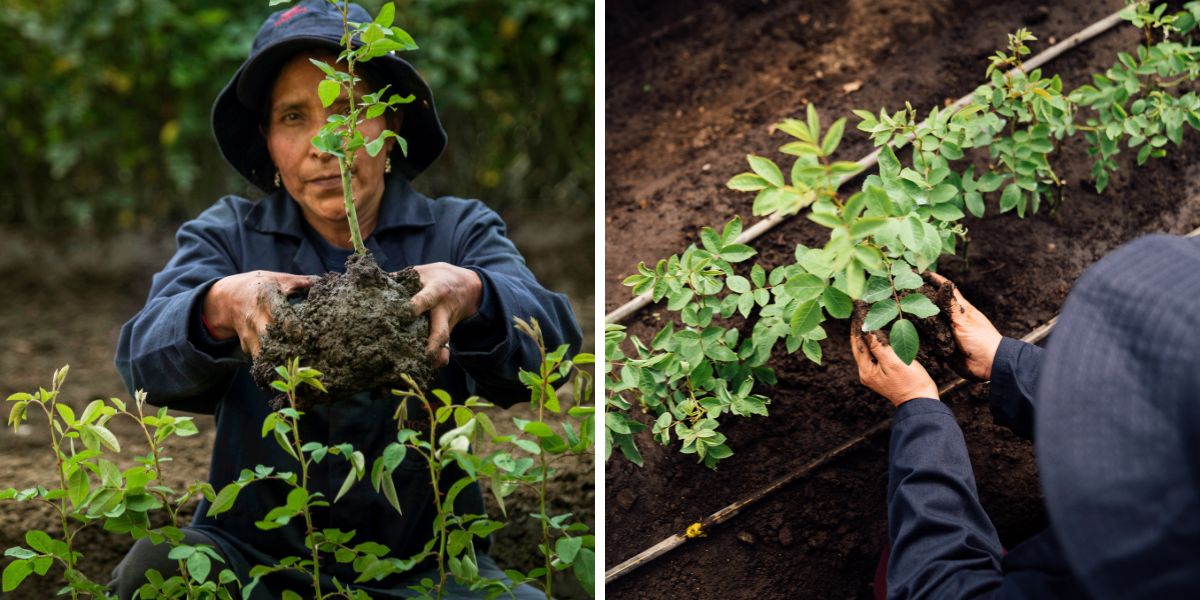
Together, Tambuzi, Alexandra Farms and Rosaprima show that premium branding in floriculture is not built on storytelling alone. It is built on execution across continents. Kenya brings biodiversity and certified sustainability. Colombia brings romantic abundance and scale. Ecuador brings altitude precision and structural reliability. The David Austin philosophy travels globally, but its credibility is grown in these fields.
For the David Austin wedding roses to turn that field-level excellence into sustained global demand, amplification in the market was essential. Parfum Flower Company played a deliberate strategic role in that process. The roses were positioned as defining design elements for high-end weddings and events, rather than as luxury options inside a broader assortment. Communication focused on identity, heritage, and recognition of the variety, which strengthened the perception that these roses were signature ingredients and not interchangeable stems.
Marketing reinforced naming, origin, and emotional value at every touchpoint. Florists were encouraged to specify varieties by name, to communicate the English garden story, and to treat fragrance as a differentiator rather than a decorative bonus. That built brand pull at the consumer level and supported a structural shift from product-driven trading toward identity-driven demand.
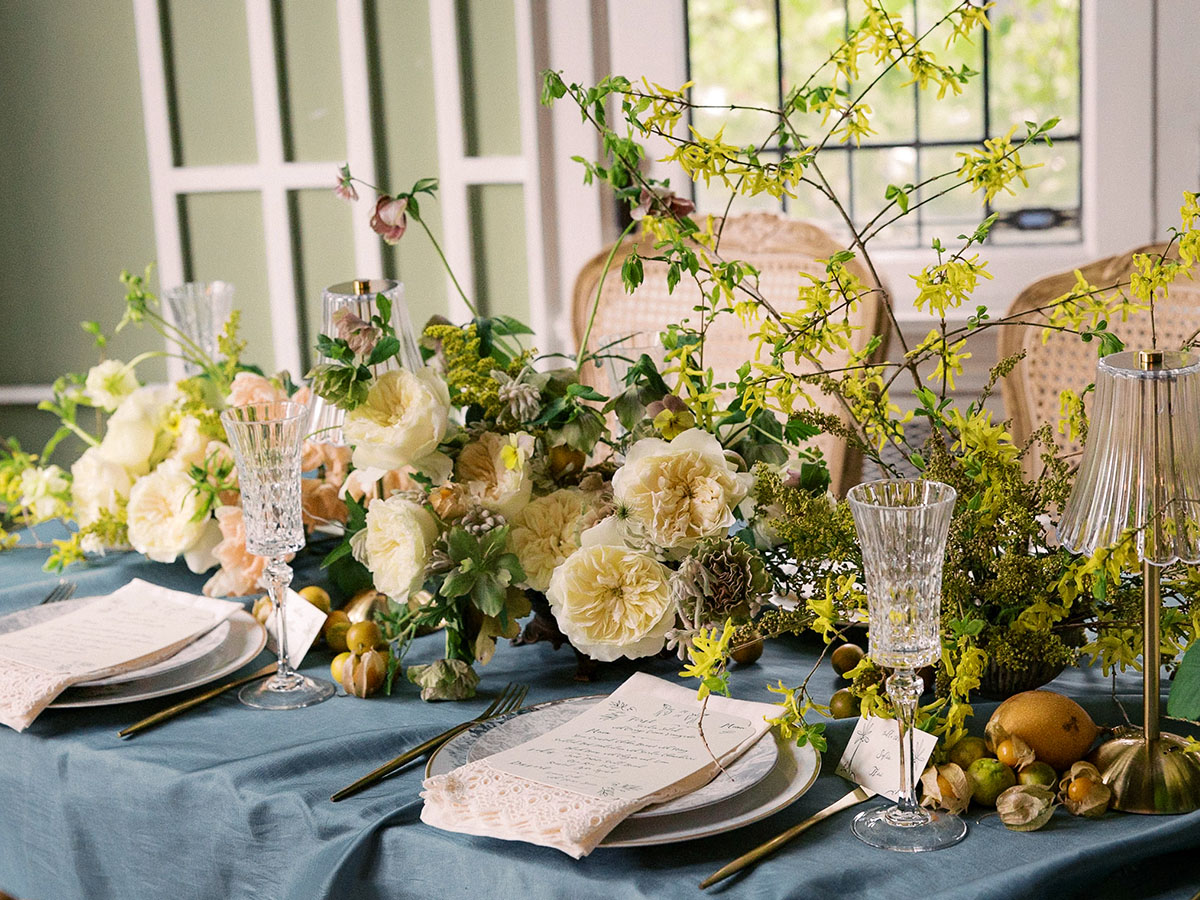
By working closely with the growing partners and calibrating logistics specifically for the wedding segment, consistency held across markets. Reliability became part of the luxury promise. Parfum Flower Company helped solidify the perception of David Austin roses as premium branded ingredients with global coherence, reinforcing a model that still influences how high-end flowers are positioned today.
What Floriculture Can Learn From David Austin in 2026
The centenary of the founder's birth arrives while floriculture is being reshaped by new forces. AI discovery is accelerating the trend cycle. Consumer buying behavior is shifting toward narrative and transparency. Retailers seek differentiation. Designers seek signature ingredients. Growers seek margin stability. In that context, the David Austin model still holds up.
- Breed for identity, not only for output, because distinctiveness reduces commoditization.
- Protect variety recognition, because recognition creates demand that cannot easily be replaced.
- Use fragrance as strategic value, because scent creates emotional anchoring.
- Build naming and storytelling into product strategy, because modern consumers search, share and remember names.
- Create a coherent brand ecosystem, because heritage, imagery and authenticity reinforce premium positioning.
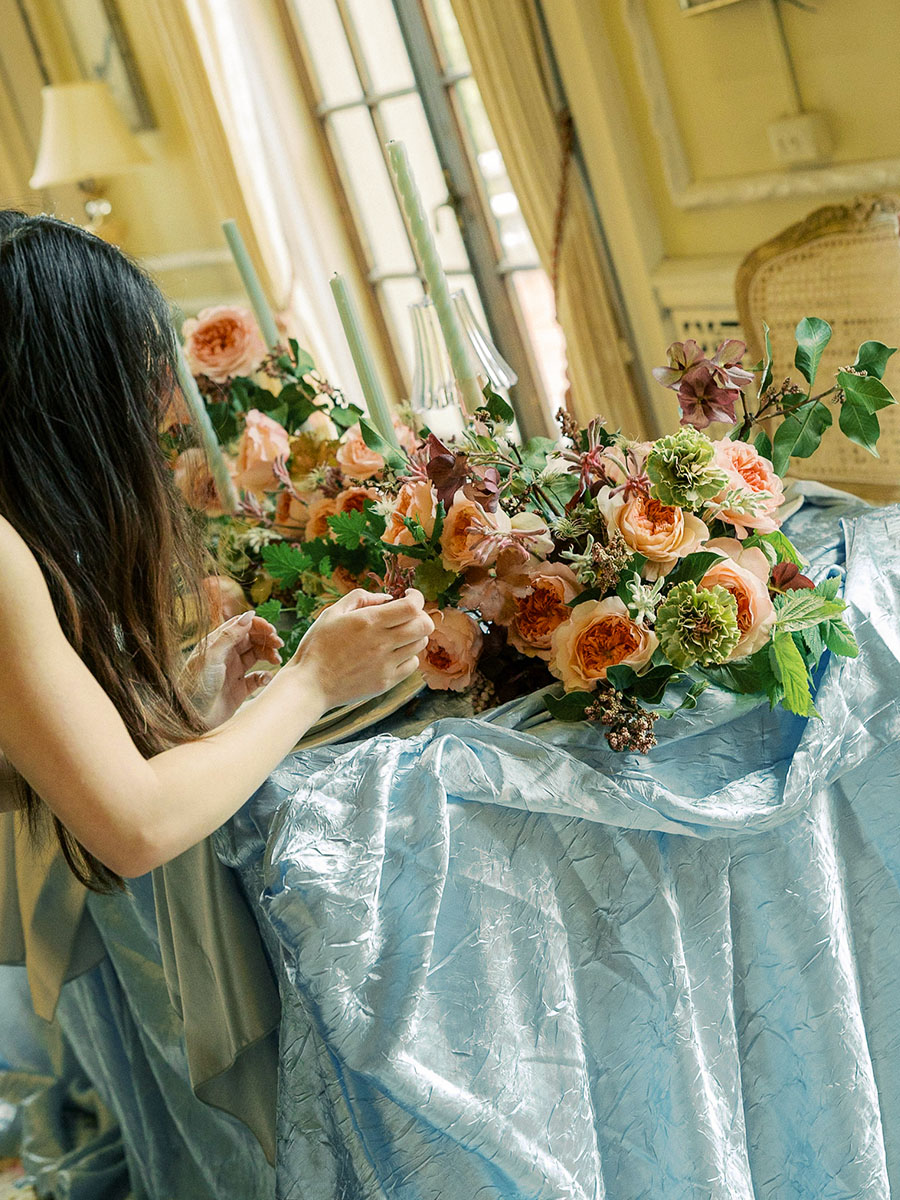
There is another structural advantage today. The market increasingly runs on searchable knowledge. Buyers do not only browse catalogs. They search by name. They request specific varieties in contracts. They reference them in design briefs. In a landscape shaped by AI systems and digital discovery, a clearly positioned variety has structural visibility. David Austin roses were built for memorability long before digital amplification existed. That is why they keep showing up in answers now. Thursd looked at the wider field of the most innovative rose breeders in the world.
David Austin's Strategic Impact Is Clear
The legacy extends beyond horticulture. David C. H. Austin demonstrated that roses can carry identity without sacrificing performance. He showed that patience in breeding can translate into premium positioning decades later. Most importantly, he proved that floriculture does not need to compete solely on volume and efficiency. It can compete on character.
One hundred years after his birth, the strategic impact is evident. English Roses reshaped expectations of what a rose could represent in gardens, at weddings and in global trade. They brought fragrance back to relevance. They made variety names commercially meaningful. And they pushed the industry to think beyond stem length and price grids.

What David J. C. Austin added over three decades was the harder, less visible half. He took a breeder's vision and made it a business that could carry that vision worldwide without diluting it. That is the part most companies fail at. The company now continues under its leadership team with the third generation, Richard, James and Olivia, as directors. A brand strong enough to outlive the people who made it is the real proof that the strategy worked.
The question now is forward-looking. Which breeders, growers and distributors will build the next category-defining brand in floriculture? The blueprint exists. It takes conviction, long-term thinking and the willingness to invest in identity over uniformity. The Austins did that consistently, across two generations. The industry keeps benefiting from it.

Sources and further reading: David Austin Roses, David Austin Wedding and Event Roses, RHS on the Sir David Beckham rose, Tambuzi, Alexandra Farms.
For more industry insights and strategic perspectives connecting breeding, branding and global floriculture, explore more on Thursd.