My biggest problem with this industry is not a critic standing outside it. It's a sentence I keep hearing inside it.
That the foundation of floriculture is certification.
You still hear it today, and you hear it most from the middle of the chain. The middlemen, the wholesalers, and the traders.
Every time I hear it, it lands the same way. It's insane. There is no certificate that embodies the value of the power of the flower. Not one. You can audit a farm's water, its wages, and its spray records, and you should. None of that is the reason a flower exists.
Somewhere along the way, we forgot to talk about the power of the flower, and we let ourselves be walked into a position of defense. I think we did it to ourselves. Nobody dragged this sector onto the back foot. We walked there.
For thirty years, we have answered almost every public question about flowers with a cost. Footprint per stem, liters per rose, and residue measured in parts per billion. Real work, all of it, and worth doing. But when the only language you speak in public is the language of your own costs, you have already agreed to be judged as a problem that needs managing.
And I understand how we got here. A certificate was never built for the person buying the flowers. It was built for the buyer who needs to carry the product without carrying the risk, and that is a fair thing for a buyer to want. The mistake was ours. We took our customer's risk management and started using it as our own description of what we are.
I've written before that I'm done apologizing for flowers. This is the next part of it. Stop apologizing is not enough on its own, because it leaves you standing there with nothing to say instead. So here is the order I think we should be saying it in.
First, Flowers and Plants Are Good for You
Start here. Always here.
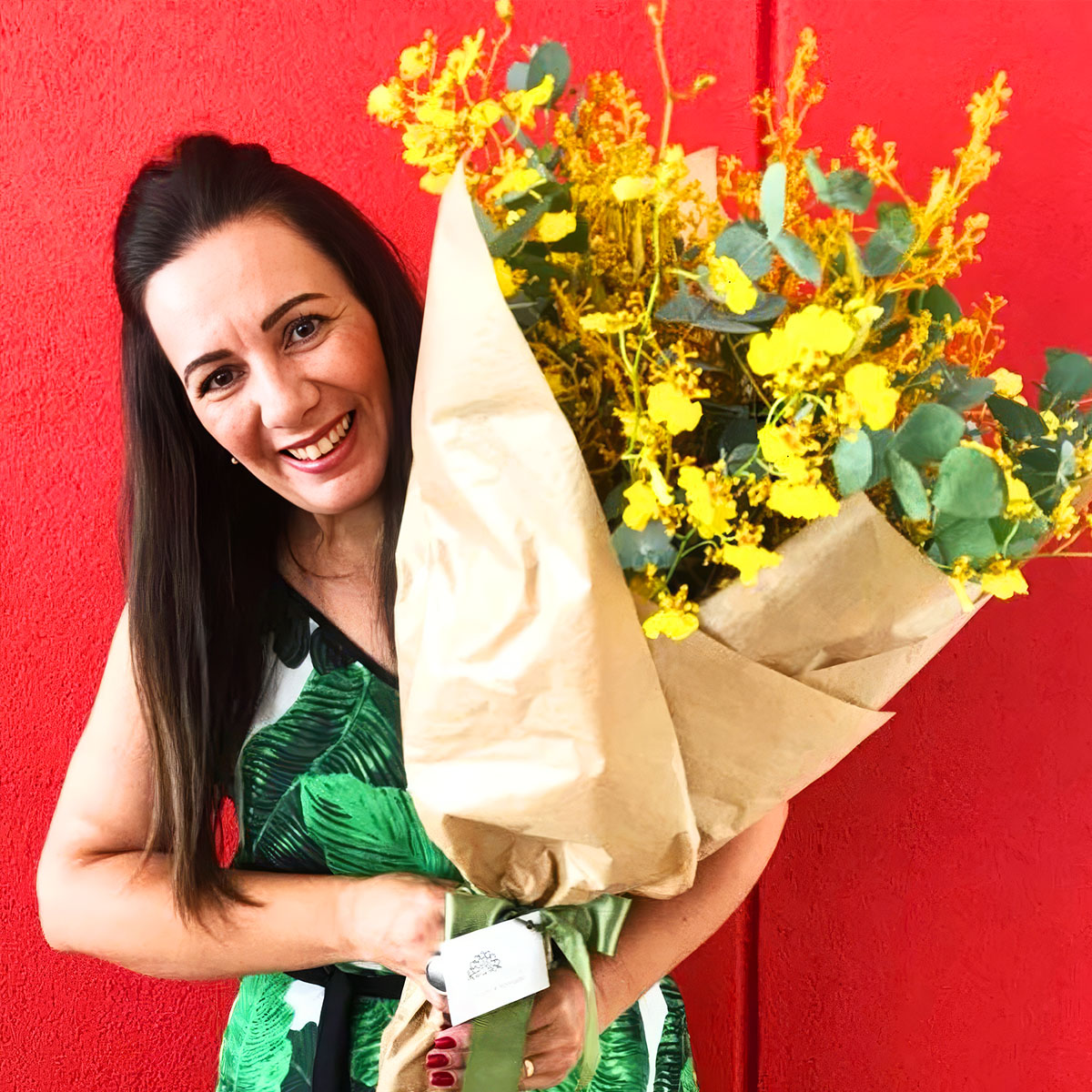
This is not a feeling I have. Research from Rutgers University found that receiving flowers produced an immediate and lasting positive emotional response across every age group studied, with lower reported anxiety and higher life satisfaction than other gifts. Scent runs straight into the part of the brain that handles emotion and memory, which is why one smell drops you back into a specific afternoon twenty years ago.
So a florist is not decorating a room. They are putting something into someone's day that changes how that day feels.
That is the foundation. Everything else in this industry sits downstream of it. If flowers stopped doing that to people, no certificate would keep a single farm open for a week.
Second, This Industry Carries Real Economies
Second, and only second, comes what this sector does for the places that grow it. Mostly in the Global South.
Around 500,000 people in Kenya make a living from flowers once you count direct employment together with the work that sits immediately around the farms. The Kenya Flower Council puts direct employment at more than 200,000, and counts millions of livelihoods dependent on the sector in total. Colombia employs roughly 240,000 people in floriculture, about 60 percent of them women, and a large share of those women run their households. Ethiopia built around half a billion dollars of annual flower exports in about two decades, starting from close to nothing.
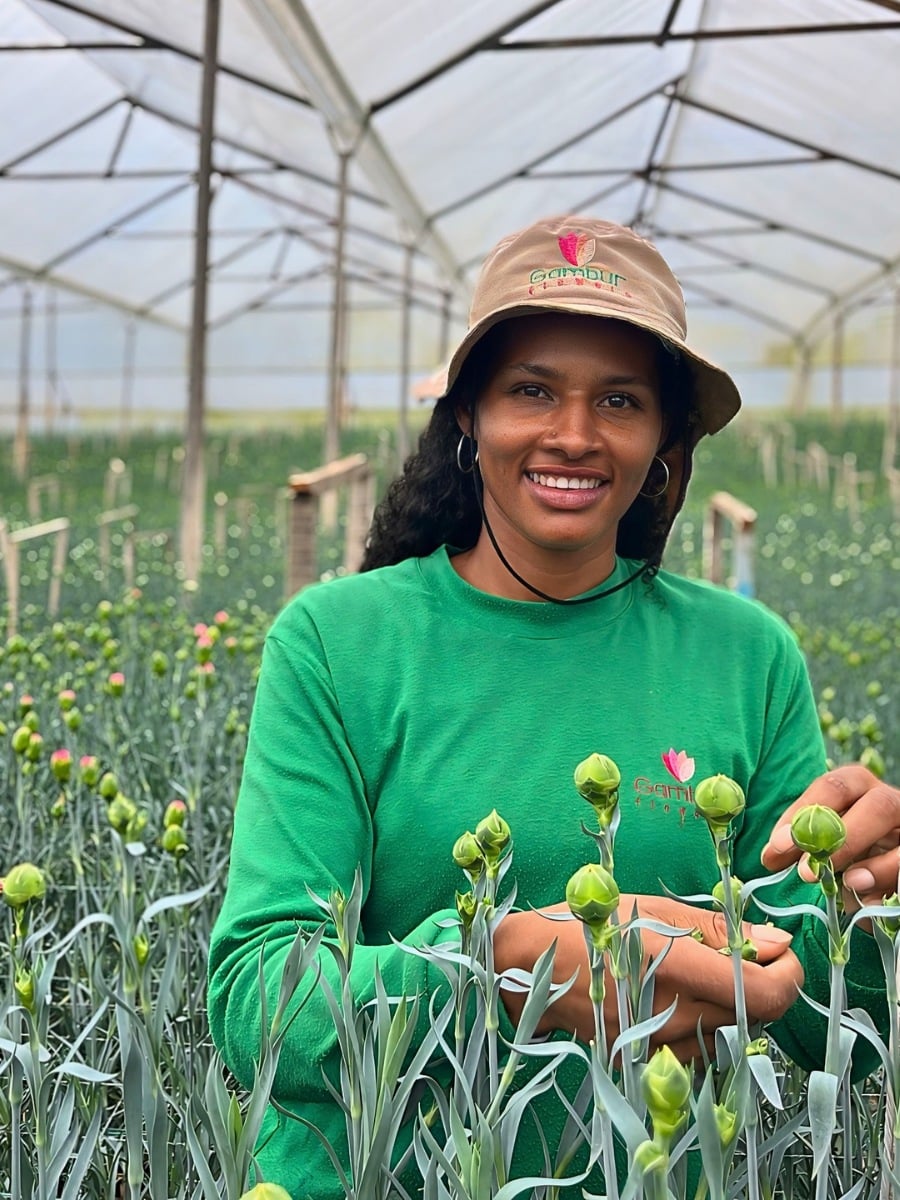
Those are not lines in a sustainability report. That is a payroll in a specific town, for specific families, every Friday.
I have stood in those greenhouses. The roads, the housing, the clinics, and the schools around them exist because a flower farm needed a workforce and stayed long enough to build for it.
Third, We Run Ahead of the Law
Third, we front-run legislation more often than anyone gives us credit for.
The Kenya Flower Council has been raising its own bar since the nineties and now runs a tiered standard with digital audits and traceability, built by the sector, not imposed on it. When the EU's packaging regulation came in, plenty of growers and traders had already redesigned what they ship in, ahead of the obligations landing. That pattern repeats. The rule arrives, and a good part of the industry is already past it.
And we are nowhere near done. Water, labor, energy, and waste all still have real distance to cover, and I'm not going to pretend otherwise. We do a lot of good things, but there's still so much to do.
Certification Comes Last, and That Is Not an Insult
Last is not the same as unimportant. I want to be clear about this, because the people who build and audit these standards do serious work, and growers pay real money for it.
A certificate also only ever answers the question it was built to ask. One scheme measures inputs, another measures working conditions, another measures water. Each one is precise inside its own scope and silent outside it. That is not a flaw. That is what a measuring instrument is. It becomes a problem the moment we hold up the instrument and call it the point.
Certification is proof. It's how you back up a promise you already made to someone who can't walk your farm and check for themselves. It's the receipt. It is not the reason.
When the Dutch government proposed taxing flowers as a luxury, part of this industry's answer was to ask for a lower rate on the certified ones. Sit with that for a second. It concedes that a flower's claim on a lower rate comes from its paperwork and not from what it does to the person who gets it. We argued our own case away.
The moment you call it the foundation of floriculture, you've told the world that the best thing about your product is that it passed an inspection. Nobody in the history of this trade ever bought a flower because it passed an inspection.
So put it back in the right order. Flowers are good for you. This industry feeds real places. We move ahead of the law more often than we're credited for. And yes, we certify, because we can back all of that up when someone asks.
If you say out loud that the foundation of this industry is certification, I don't think you have a clue about what's good for the industry.
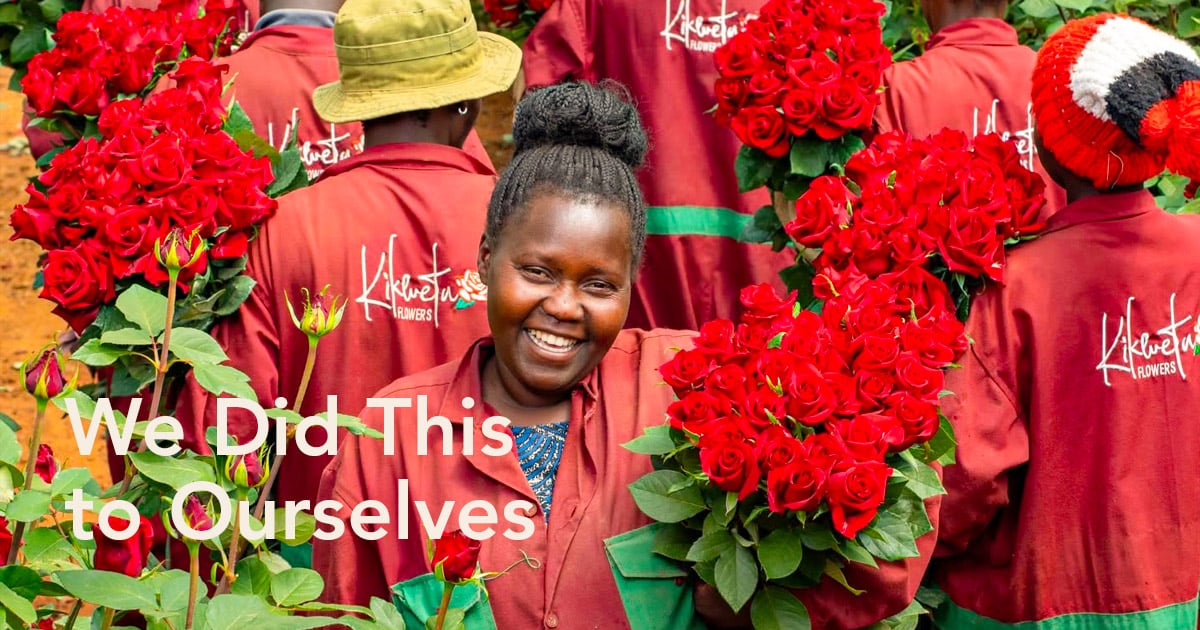
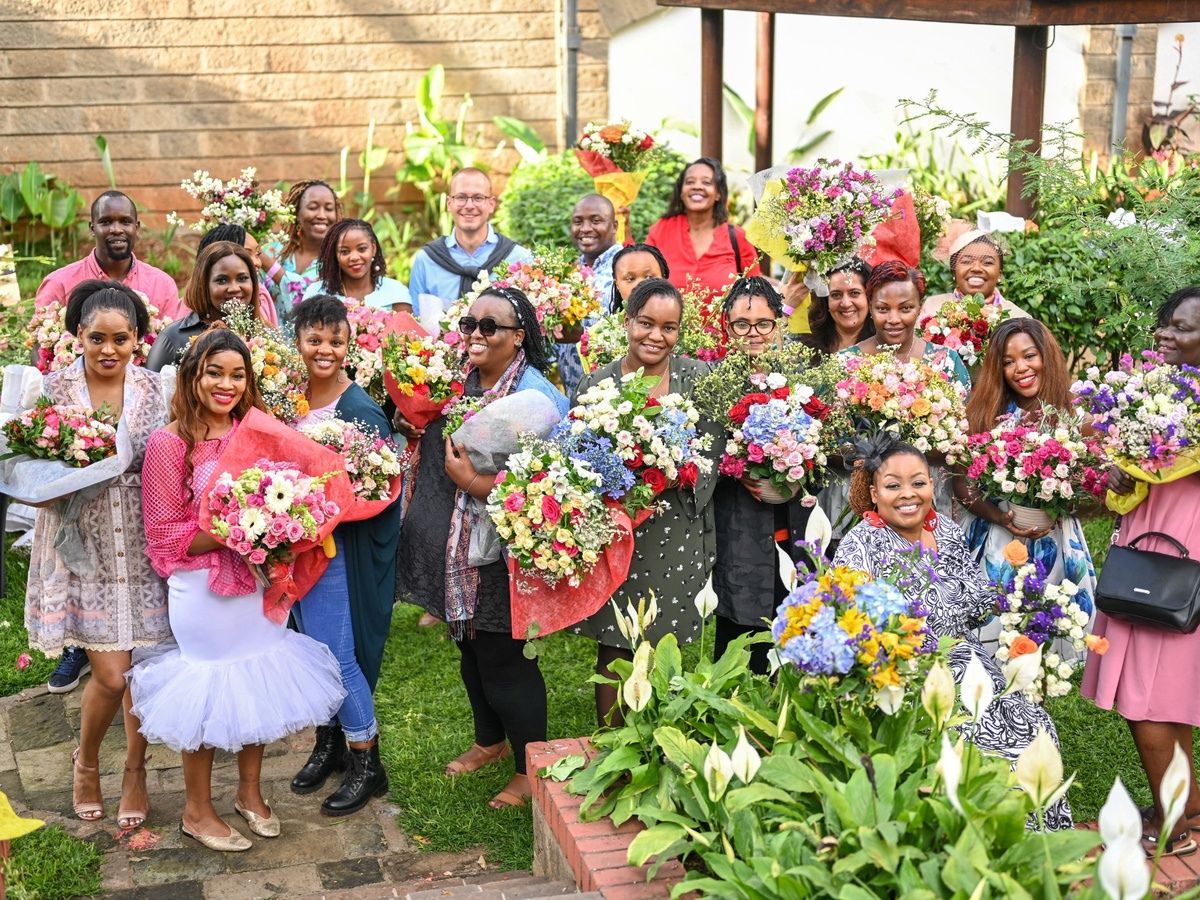
Header image: flower farm workers at Kikwetu Flowers in Kenya. Festival photo by Kenya Flower Festival.