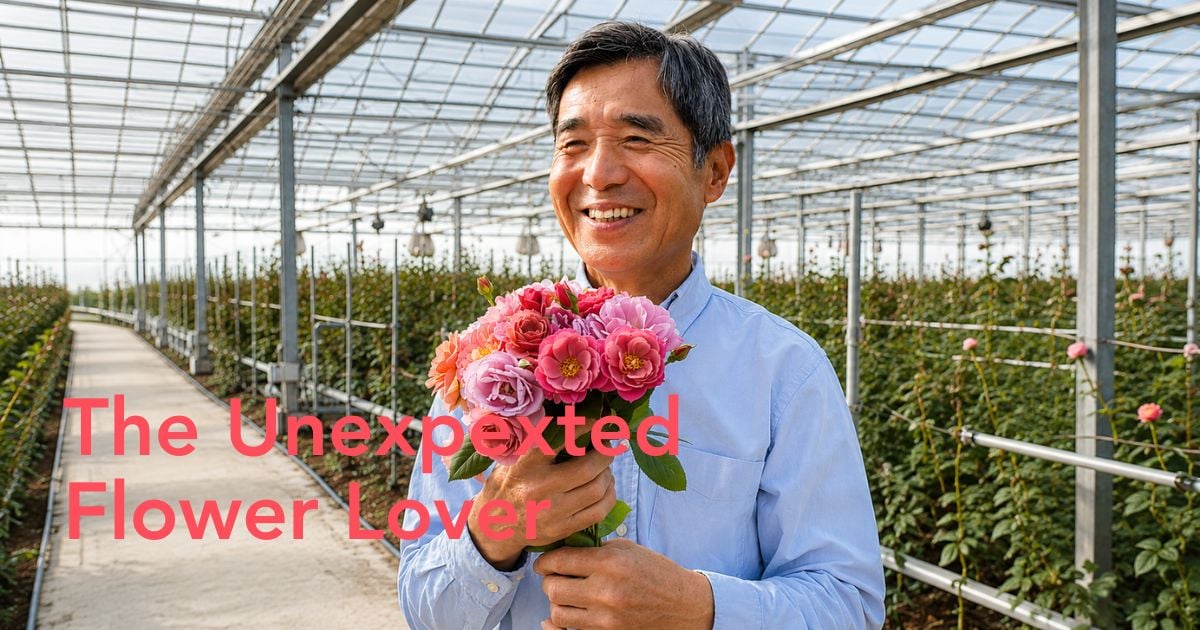
Walk into almost any flower shop and ask who buys the most flowers. Chances are you'll hear the same answer: women.It's an easy assumption to make. Flowers have long been marketed as gifts for mothers, wives, girlfriends, and friends. Scroll through social media on Valentine's Day or Mother's Day, and you'll see bouquets almost exclusively photographed in women's hands.
But look beyond the ribbon and wrapping paper, and a much more interesting story begins to emerge. The global flower industry isn't driven by one type of customer. Instead, it thrives because different people buy flowers for very different reasons. Some purchase a single rose to express love. Others fill hotel lobbies with thousands of stems every week. Increasingly, many people buy flowers for no one else but themselves.
So who really buys flowers? The answer isn't as straightforward as you might think.
Men Quietly Power Some of the Industry's Biggest Sales Days
If you've ever visited a flower farm in Kenya during the weeks leading up to Valentine's Day, you'll notice something remarkable. Harvest schedules become tighter. Cold rooms fill faster. Freight bookings increase; every stem matters. Much of that demand is driven by men.
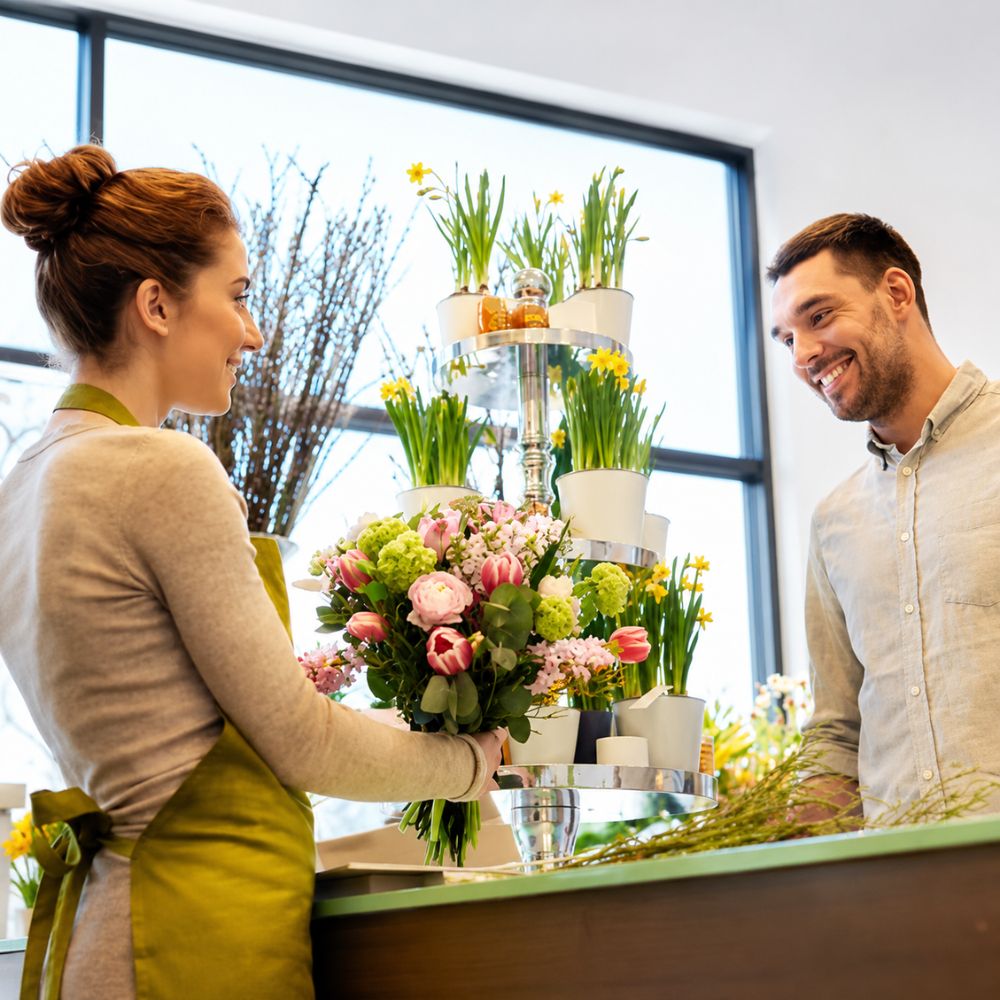
Photo by Royer's Flowers
The numbers back this up more strongly than most people expect. Industry surveys have repeatedly found that well over half of men plan to buy flowers for Valentine's Day, compared to a much smaller share of women, and multiple retail studies point to men accounting for the majority of total Valentine's Day spending overall. According to the Society of American Florists, the two weeks surrounding February 14th alone can account for roughly a quarter to a third of a florist's entire annual revenue.
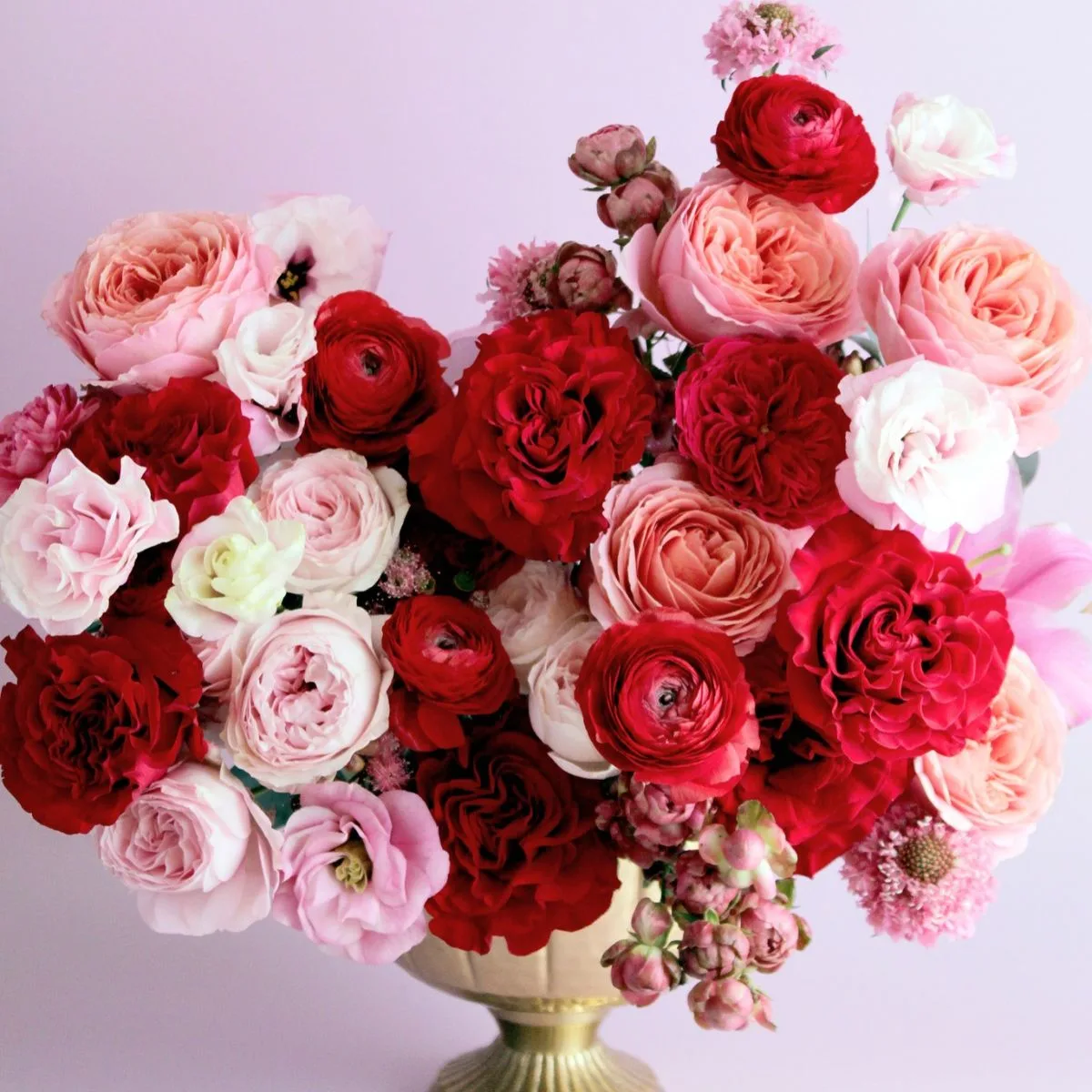
That demand shapes what growers produce months in advance. Classic red varieties such as Rose Rhodos, Rose Explorer, Rose Red Naomi!, and Rose Freedom continue to dominate romantic occasions because of their rich color, large blooms, and exceptional vase life. Across farms such as Tambuzi, Uhuru Flowers, Marginpar, United Selections, and growers supplying the Dutch auctions through Royal FloraHolland, these seasonal peaks influence harvesting, grading, and logistics long before a bouquet reaches a florist.
Women Are Changing the Flower Industry in a Different Way
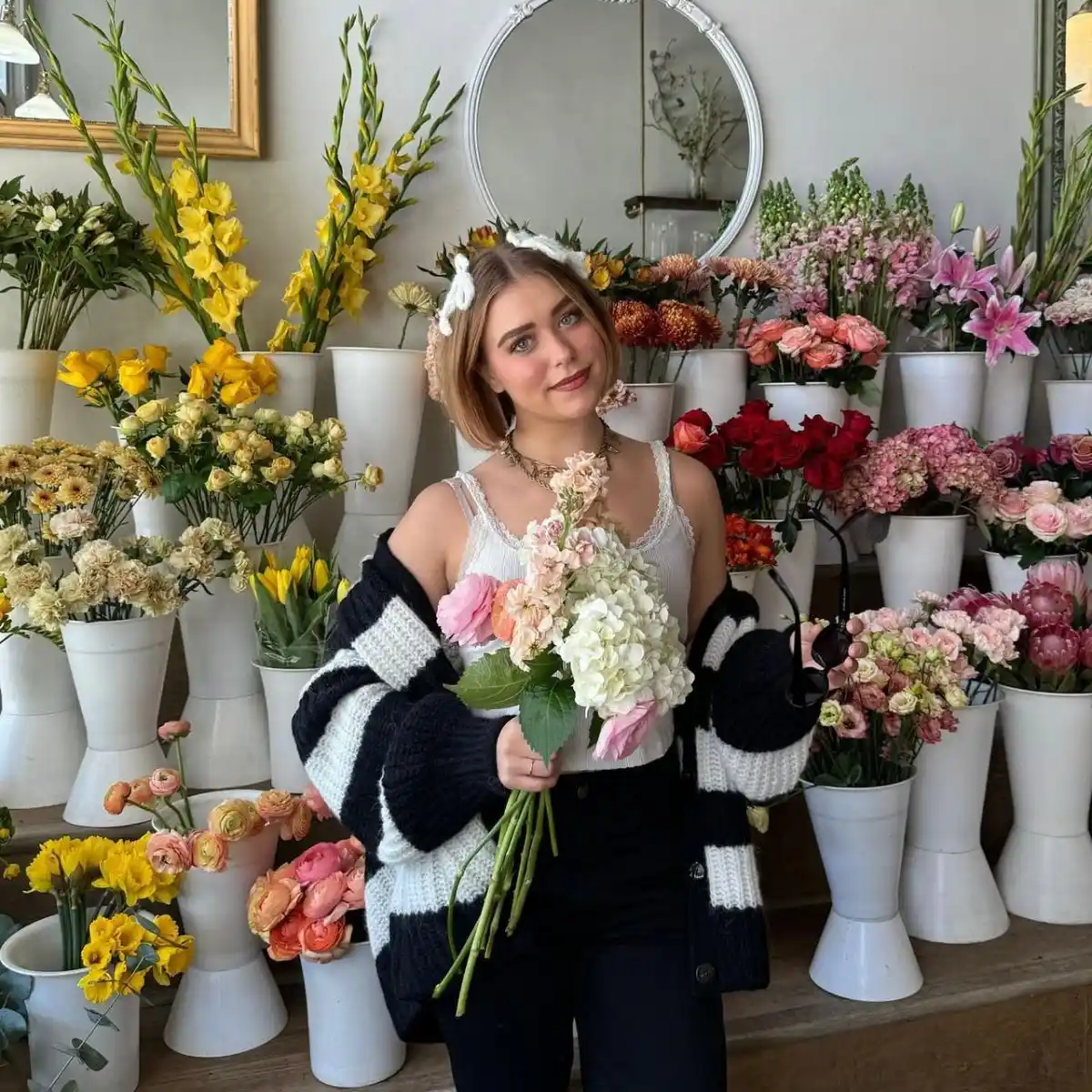
While gifting captures headlines, another trend has quietly transformed the market. Women are increasingly buying flowers for themselves. Once considered an occasional indulgence, self-gifting has become part of everyday life. A bouquet on the dining table can brighten a home office, celebrate a personal milestone, or simply make an ordinary weekday feel a little more special.
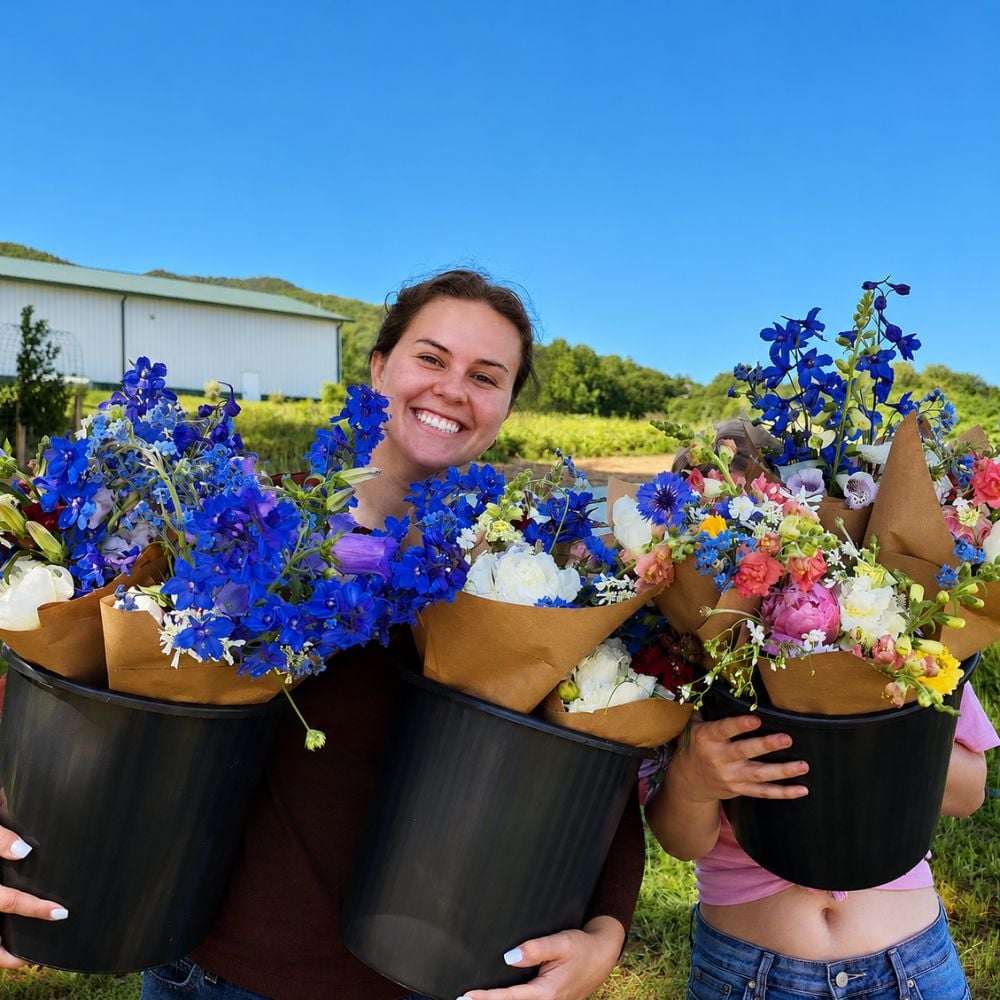
Photo by Pinnacle Farms
The data reflects just how far this shift has gone. Recent U.S. consumer research suggests that roughly three in four Americans purchase flowers at some point during the year, and close to half of those purchases are now self-purchases rather than gifts. Women remain notably more likely than men to buy flowers for themselves, and researchers studying floral consumer behavior have found there is no such thing as a single 'typical' flower buyer anymore, just distinct groups with entirely different habits and motivations.
Florists around the world have noticed the shift. Instead of waiting for someone else to send flowers, many customers now see flowers as part of home décor, wellness, and self-care. Soft garden-style varieties such as Rose Princess Hitomi, Spray rose Julietta, Rose White O'Hara, Rose Pink O'Hara, and Spray rose Mansfield Park have become favorites for customers looking to create elegant arrangements at home. The purchase is no longer about romance. It's about living beautifully.
The Newest Flower Buyer Isn't Buying Flowers for Tradition
Millennials and Gen Z are reshaping floral consumption in ways the industry could hardly have imagined twenty years ago. Flowers now appear in cafés, content creation studios, boutique hotels, weddings, restaurants, wellness spaces, and social media posts.
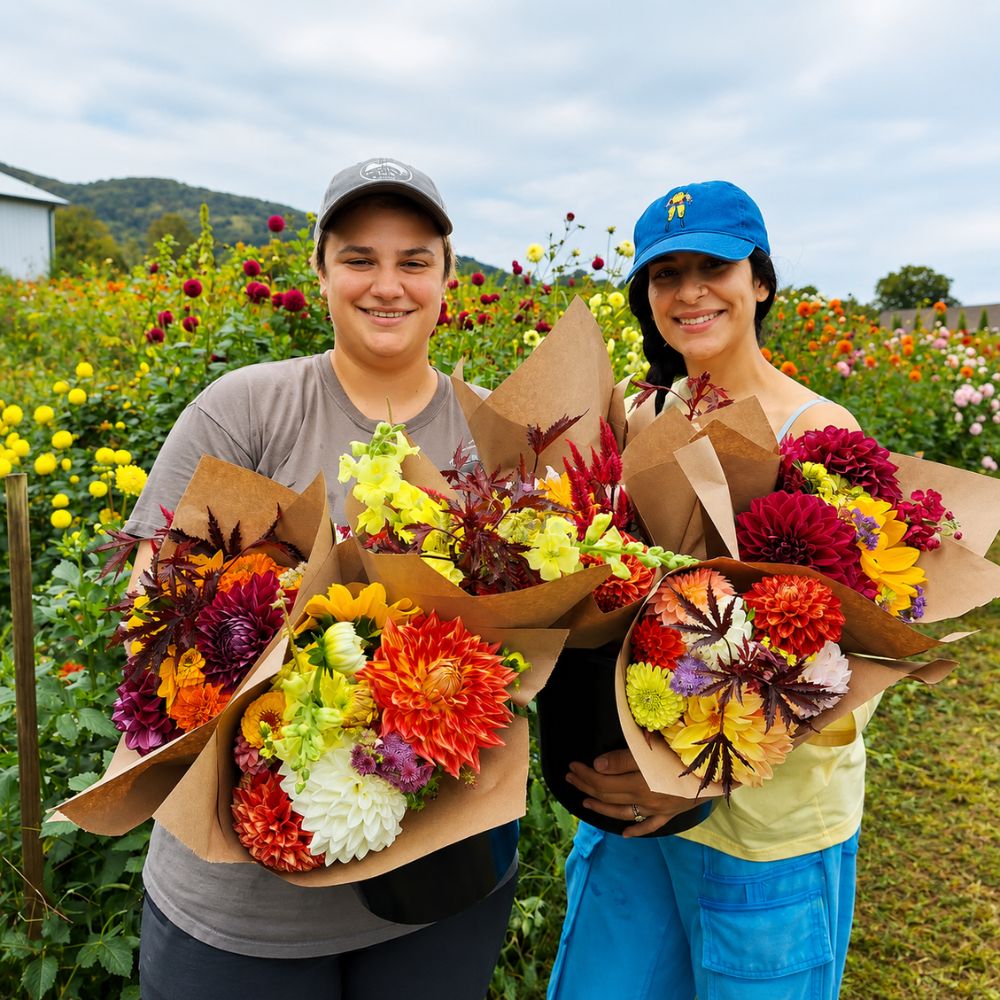
Consumers are just as likely to buy flowers because they complement a dinner party or a weekend brunch as they are for a traditional celebration. Research comparing generations has found that younger buyers are significantly more likely than older generations to cite home décor, rather than a specific occasion, as their main reason for buying flowers at all.
Color trends change rapidly. Apricot shades, buttery yellows, earthy terracottas, and muted lavender tones have become increasingly desirable, driving demand for varieties such as Rose Café Latte, Rose Toffee, Shimmer, Rose Candlelight, and Rose Menta. For breeders, these changing tastes influence the next generation of roses entering commercial production.
Businesses May Be the Floral Industry's Biggest Customers of All
There is another buyer many people rarely think about: businesses. Luxury hotels, restaurants, corporate offices, wedding venues, cruise ships, event planners, supermarkets, and subscription flower services purchase flowers every week of the year.
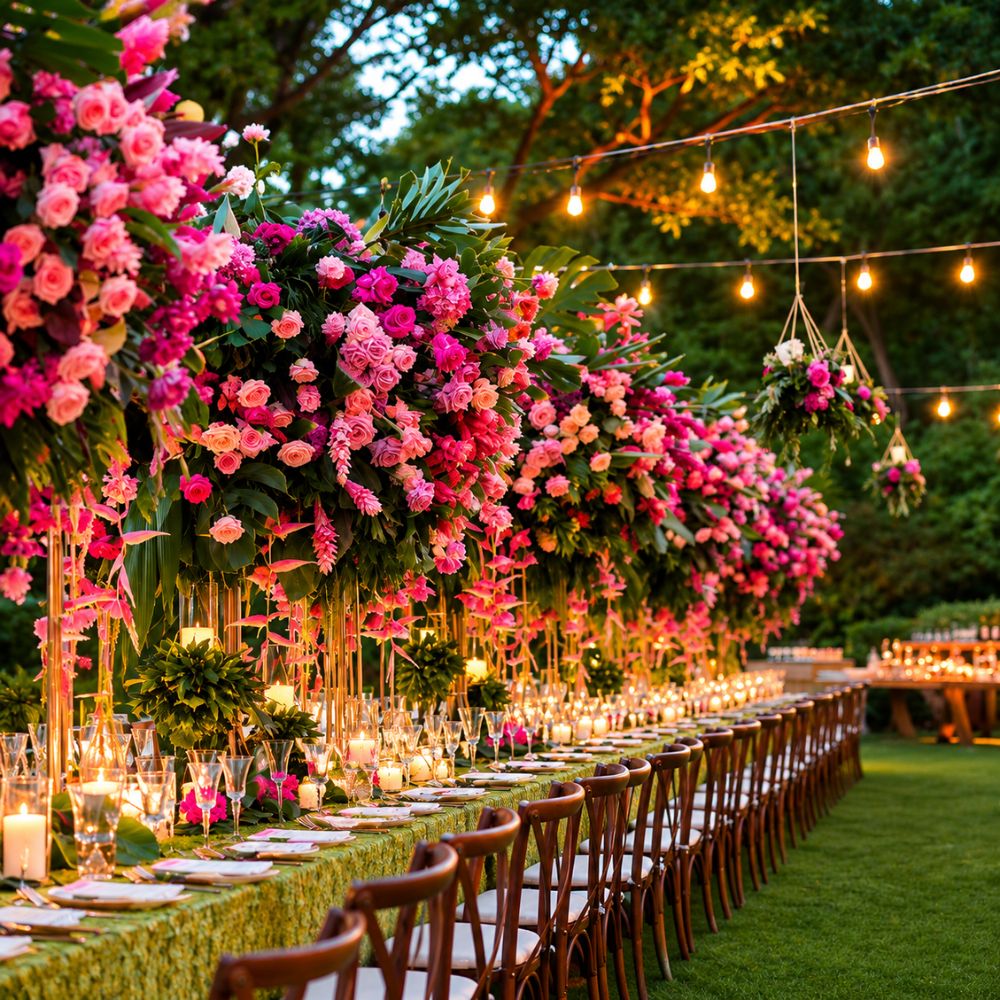
Unlike seasonal gifting, these customers create consistent demand.
A hotel lobby displaying fresh arrangements every Monday can consume thousands of stems over a year.
Retail chains build promotions around floral holidays.
Wedding designers specify exact colors months before ceremonies.
Florists order according to contracts rather than emotions.
For growers, these buyers provide stability long after Valentine's Day has passed.
The Flower Buyer Has Never Been Just One Person
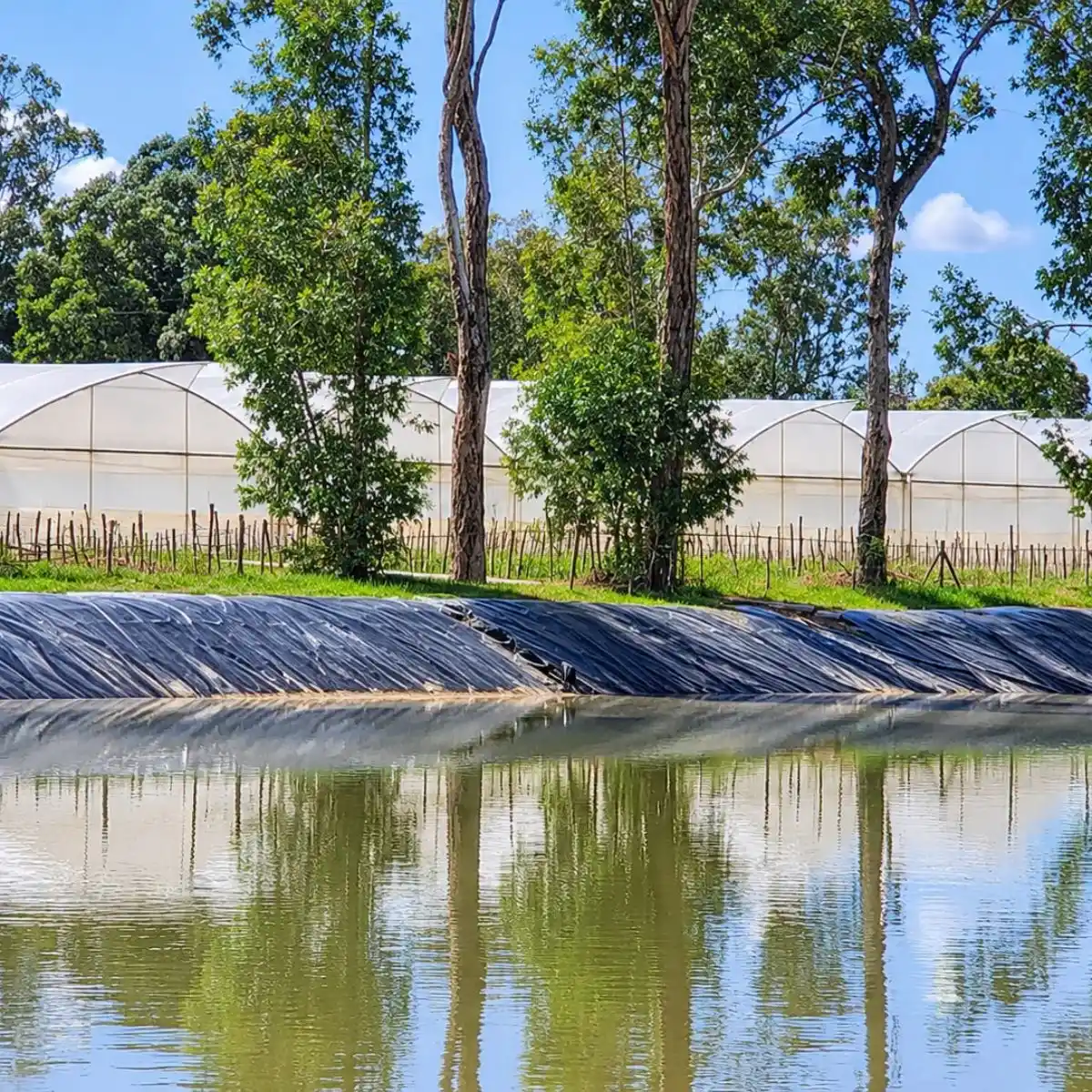
Perhaps the biggest surprise is that there has never been a typical flower buyer. The man choosing a dozen red roses before an anniversary. The young professional buying eucalyptus and garden roses for a new apartment. The hotel refreshing its reception every week. The florist preparing hundreds of wedding arrangements. The supermarket stocking bouquets before the weekend. Each purchase supports an industry that begins months earlier in greenhouses and open fields across Kenya, Ecuador, Colombia, Ethiopia, and beyond.
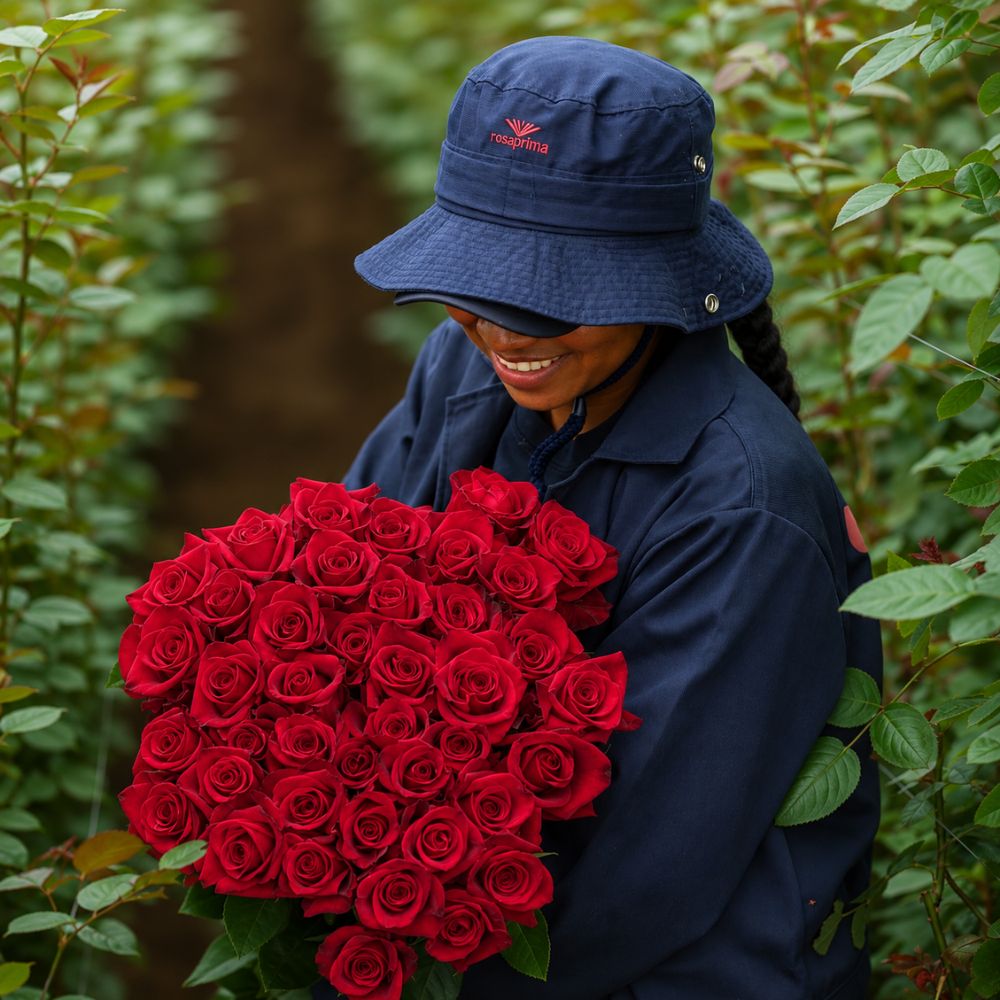
Photo by Rosaprima
Behind every stem is a grower planning harvests, a breeder developing stronger varieties, a logistics team protecting freshness, and a florist giving the flowers their final purpose.
Flowers are bought for love.
For celebration.
For comfort.
For business.
And sometimes, simply because someone wants fresh flowers on the kitchen table.
That may be the biggest surprise of all.
Header Image by @Wabara Rose