Ask a florist what pink roses mean, and the short answer is thank you. The longer answer depends on the pink. Light pink roses stand for grace and gentleness, while hot pink roses say thanks and say it out loud. A dusty pink is quieter again, and a pink and white bicolor carries no fixed message at all.
So the pink roses meaning is one color with many messages, and the shade decides which one you send. This guide goes from blush to fuchsia, shade by shade, with the cut roses florists order by name from breeders such as De Ruiter, Meilland, Dümmen Orange, and David Austin. It also covers pink roses for Valentine's Day and Mother's Day, how many to give, how long they last in a vase, and how to tell a bred pink from a dyed one.
What Do Pink Roses Mean?
Pink roses mean admiration and gratitude, with gentle affection underneath. That is the reading florists and color guides share, Thursd's own guide to rose color meanings included, and it is why pink is the rose people give when red would say too much. A pink rose works for a mother, a friend, a colleague, a teacher, or a first date, and none of them will read it as a proposal.
The pink rose meaning is also less fixed than the red one, because it moves with the shade. A pale blush and a hot fuchsia are both pink roses, and they do not say the same thing, which is why the second half of this guide takes the shades one at a time.

Where the Meaning Comes From
The word pink came from a flower, just not from the rose. In English, pink was first the name of Dianthus, the garden pinks, from the 1570s, and the color sense is recorded by 1733, taken from one of the common colors of those flowers, according to the Online Etymology Dictionary. A pink rose is, strictly speaking, a rose the color of a Dianthus.
The Victorian flower dictionaries had a meaning for hundreds of plants, but not for the pink rose. Kate Greenaway's Language of Flowers of 1884 gives the rose itself as love and then lists more than 30 rose entries, each with its own line, and the pink ones go by their old names. The Maiden Blush, a pale blush pink rose that the Royal Horticultural Society dates to the 15th century or earlier, has the line 'If you love me, you will find it out.' The pink itself, the Dianthus, meant boldness.
So the meanings florists use for pink roses today, gratitude and admiration first, are a younger convention, built by the trade and its color guides on top of the Victorian language of flowers. Reginah Mwangi made the case on Thursd that rose colors mean what people have learned they mean, and she adds the part that matters at the counter: 'When a customer asks for peach instead of red, or blush instead of bright yellow, they're often expressing something they haven't fully put into words yet.' Pink is where that happens most, because the catalogs sell it under a long list of names: blush, ballet, candy, cerise, fuchsia, magenta, dusty, and antique, for a start.
Pink Roses Versus Red Roses
If red says I love you, pink says I admire you, or thank you. That is why pink is the easier choice early in a relationship, and why it often fits a friend or a mother better than red does. Is a pink rose romantic? It can be, gently, because pink carries affection without the full declaration, which suits a first date better than a dozen reds. The full story of red is in Thursd's meaning of red roses, and the other colors are in its guides to white roses and yellow roses.
Pink Roses Meaning by Shade
Florists do not sell pink as one color. They sell a shade, and each breeder describes its shades in its own words. So the pink roses meaning below follows the shade, and every rose under each shade is a cut variety you can order, with the color its breeder gives it.
Light Pink and Blush Roses: Grace and Gentleness
The light pink roses meaning is grace and gentleness, with admiration close behind. In Thursd's color guide, a very light or pale pink rose stands for grace, joy, and happiness, and its guide to pink flowers links soft pinks with gentleness and grace. That makes light pink the shade for a message that should stay soft: a thank-you to someone older, a new baby, or a first date. Breeders pitch their blush roses at weddings, where a pale pink flatters white and green and never shouts.
Sweet Avalanche+ from Dümmen Orange is the classic of the shade. Its catalog likens the very pale pink to antique porcelain, on a large flower with long, strong stems and few thorns. Dümmen Orange calls it a favorite for bridal work and says the Avalanche+ roses last up to 14 days in the vase.
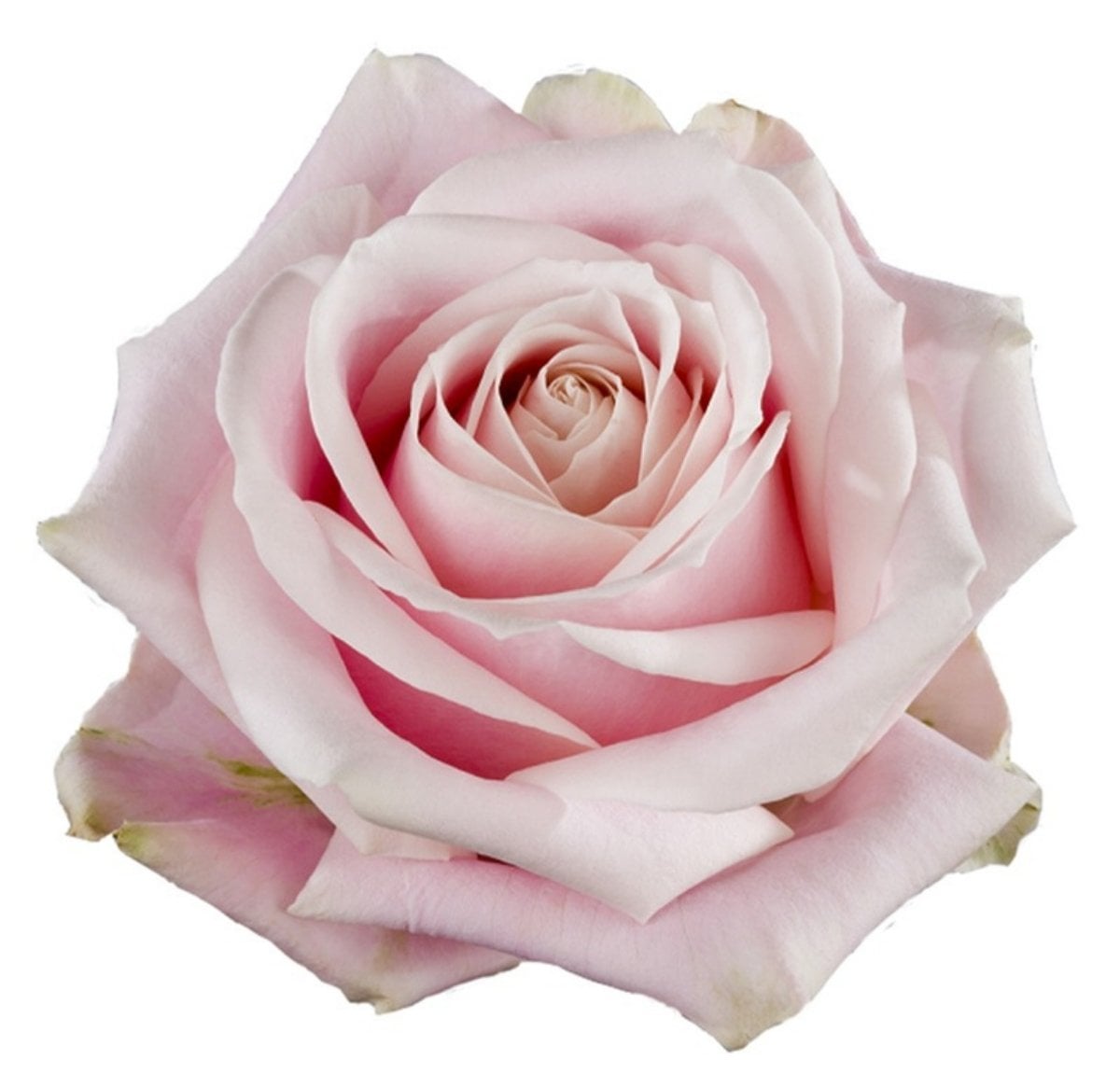
Prince Jardinier from Meilland is the scented one. A very light pink garden rose, it opens into an almost saucer-shaped flower with swirled petals and a strong rose scent. It is named after Prince Louis Albert de Broglie, a French aristocrat known for his gardening, hence the gardener prince, and Thursd's portrait of the variety is honest about the catch: its vase life is short, so it suits a bridal bouquet or a centerpiece better than a long event.
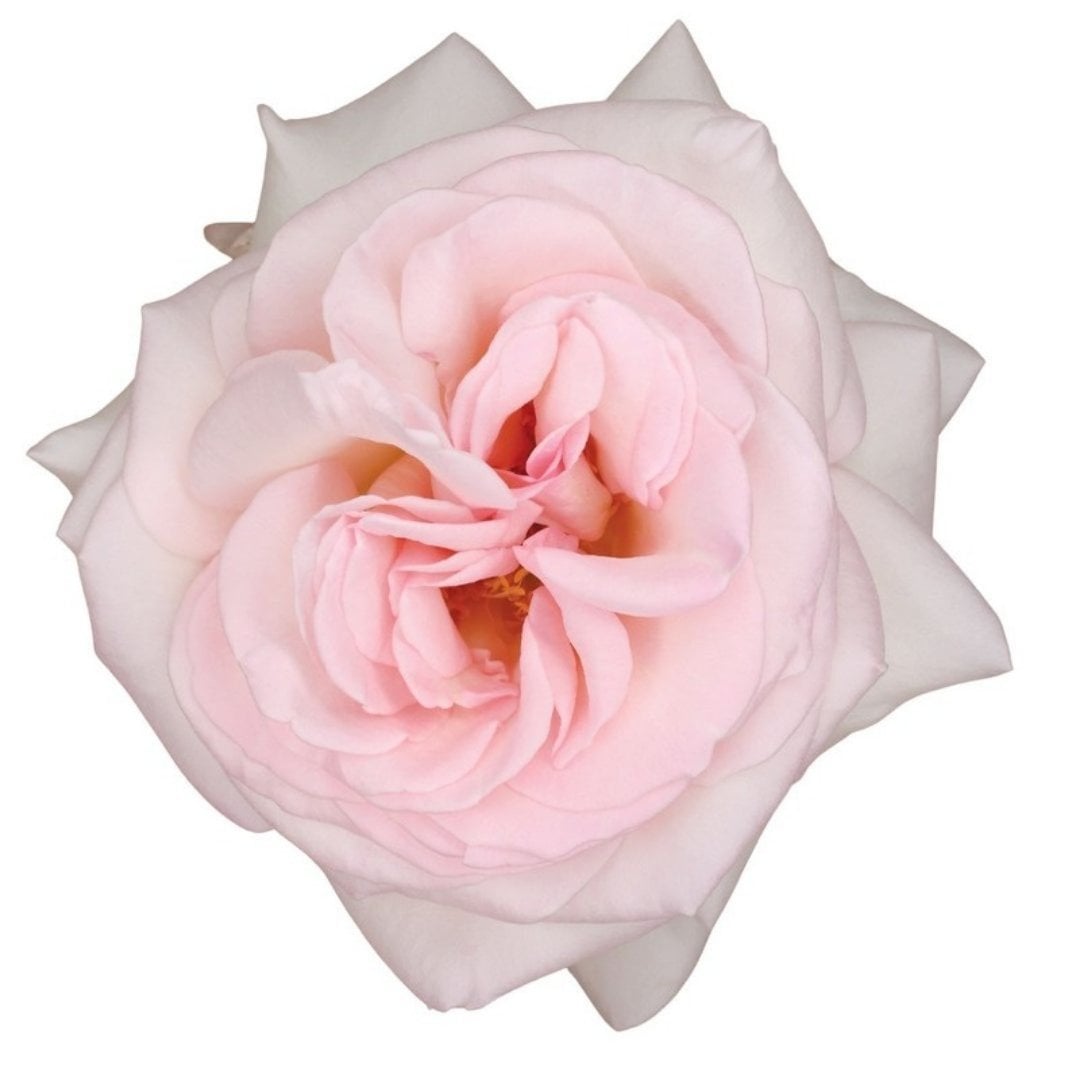
Esperance from De Ruiter arrives in a tight bud and changes as it opens, from pale pink to soft pink, with a soft scent in the open heart. The name is French for hope, which suits a light pink rose.
Medium Pink Roses: The Classic Thank You
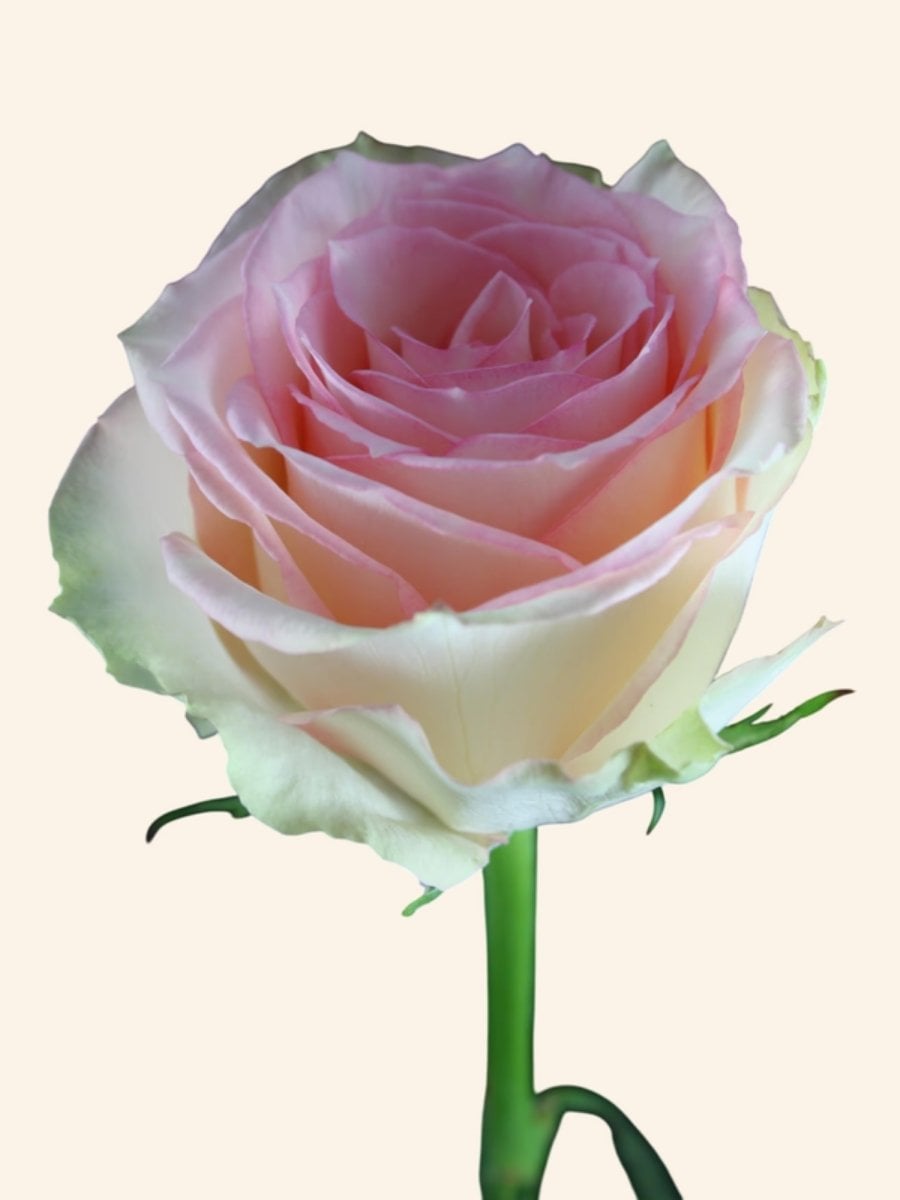
Medium pink is the pink most people picture, and its meaning is the core one: thanks and appreciation, with some happiness in it. It is the pink of the thank-you bouquet and of Mother's Day, warm enough to feel personal and light enough to give to almost anyone.
Sophia Loren from Jan Spek Rozen, the rose in the vase at the top of this guide, is a medium pink its breeder calls star quality, with petals folded tightly into a strong bud, and it is named after the actress. Lovely Pink from Meilland, with the variety name 'Meiwangy', is a full pink with shiny petals that Meilland sells as a rose for any occasion, all year round.

Hot Pink and Fuchsia Roses: Gratitude at Full Volume
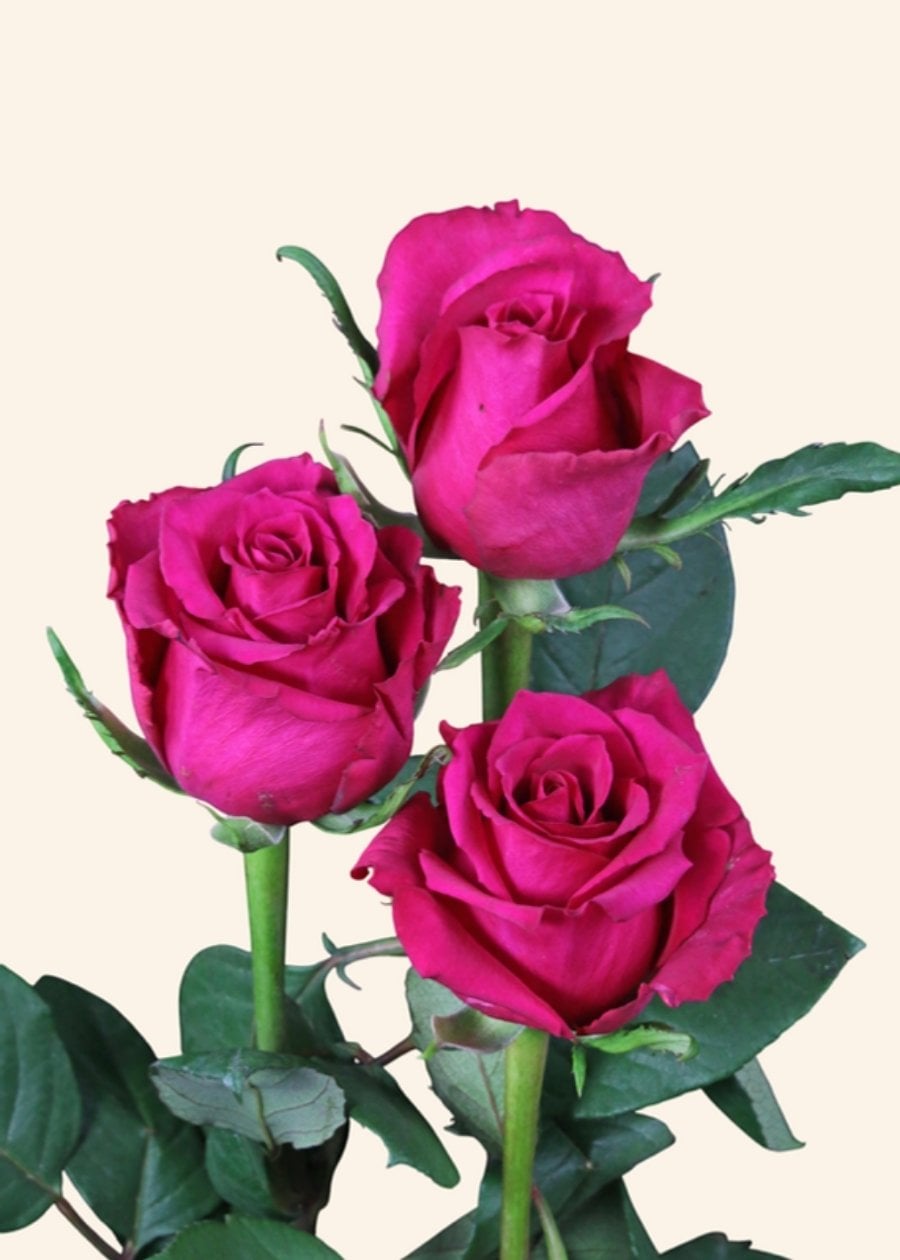
The hot pink roses meaning is gratitude and appreciation with the volume turned up. Thursd's color guide gives dark and hot pink roses thanks and appreciation, and its guide to pink flowers adds energy and confidence for the brightest fuchsias. Hot pink suits a birthday, a congratulations, or a thank-you that should be seen from across the room.
Ever Pink from De Ruiter is the benchmark of the shade: a pure, deep magenta pink on long, heavy stems with a large bud, which its breeder places at the super premium level for events, weddings, and gifts of a single variety. Hettie, a David Austin Wedding & Event Rose, is the garden-rose answer: a rich pink rosette ringed by lighter, fuchsia-toned outer petals. David Austin says it opens quickly, lacks fragrance, and lasts long in the vase.

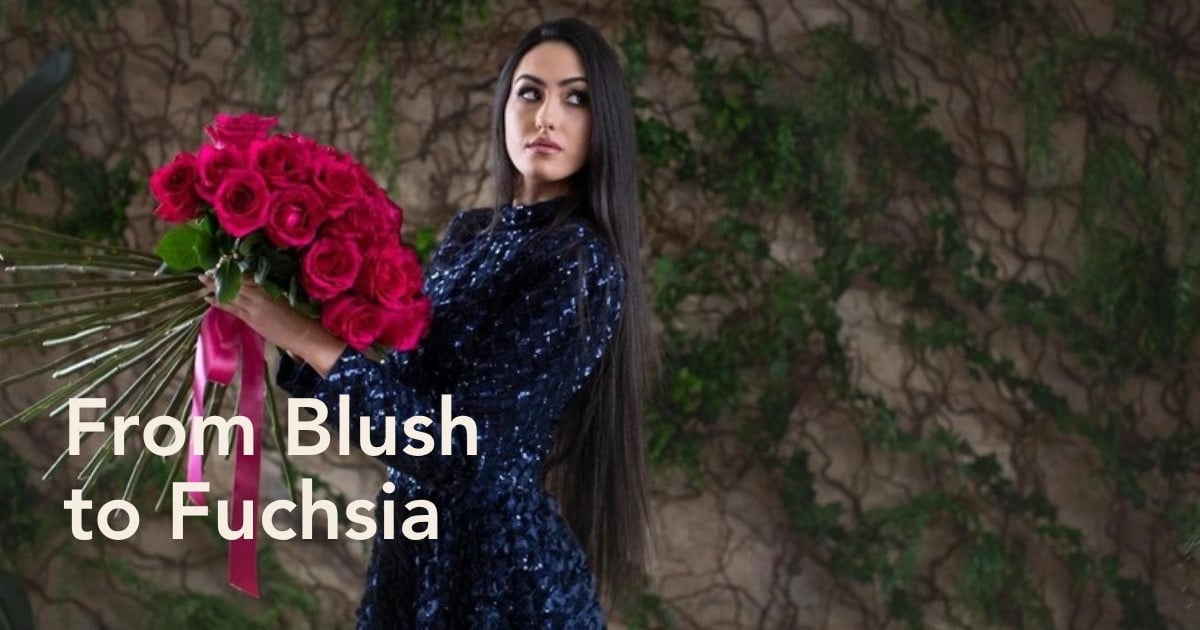
In the Netherlands, grower Van Rijn Roses grows a cerise-pink rose called Ivy year-round under glass, next to the white Avalanche+. Where hot pink runs into purple, the purple roses guide takes over at what it calls the fuchsia edge.
Dusty and Antique Pink Roses: Nostalgia and Calm
Dusty pink is pink with gray in it, and it says something quieter: nostalgia and calm, a romance that does not need to announce itself. Thursd's guide to pink flowers ties muted, dusty pinks to thoughtfulness or vintage romance, and the guide to dusty rose covers the color itself. It is the pink of the muted wedding palettes that, as Reginah Mwangi notes, now read as elegant rather than dull.
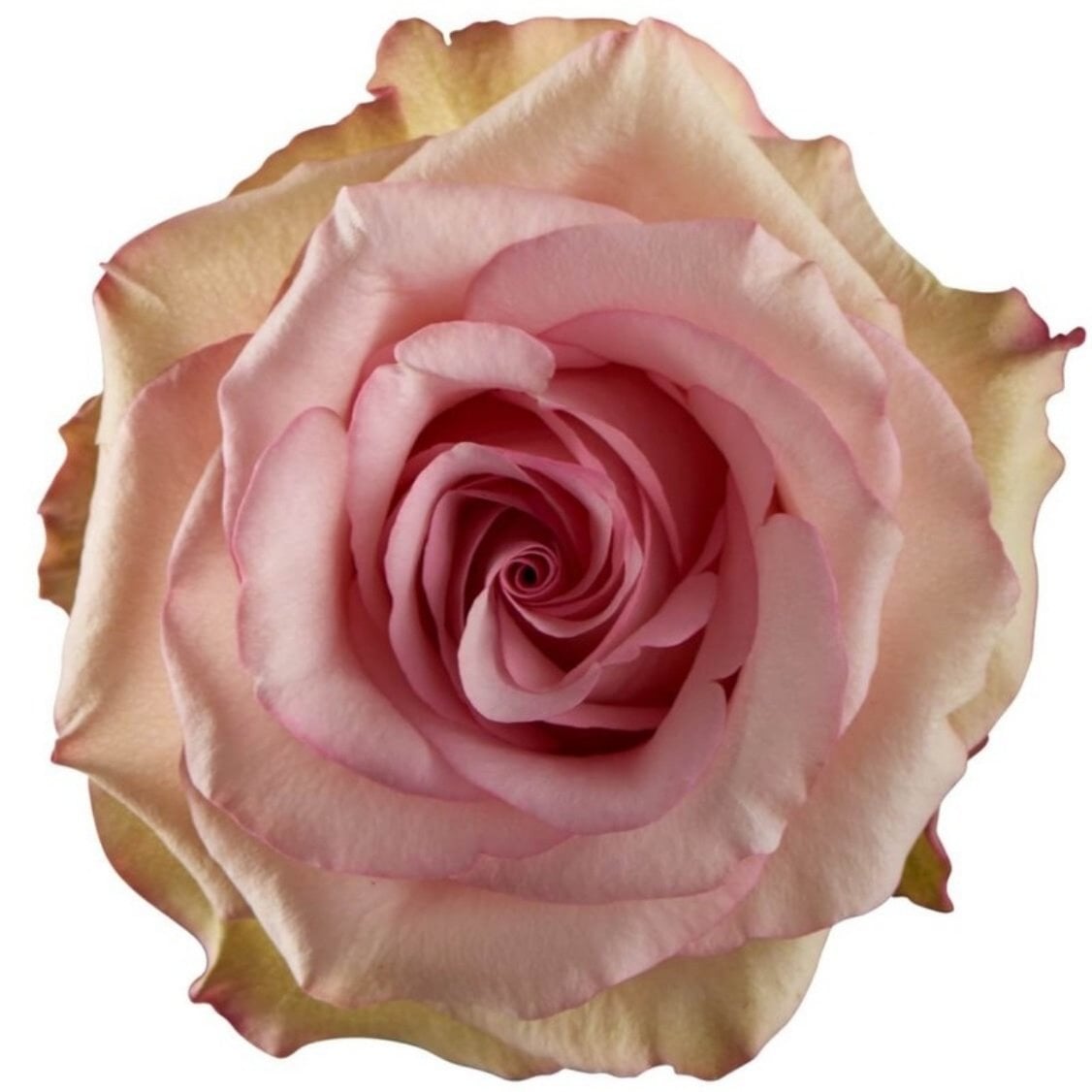
Moon Dust from Rosen Tantau is the one to know: a dusty, antique pink that turns sandy as the flower opens fully. For the muted roses florists ask for by name, from Quicksand to Koko Loko, see Thursd's guide to muted roses.
Peach Pink and Coral Pink Roses: Thanks With Warmth
Add a little yellow to pink, and the message warms up. Thursd's color guides put peach and coral close to gratitude, with a little more desire in coral, which sits closer to pink than to orange. The orange end of the scale has its own guide to orange roses.
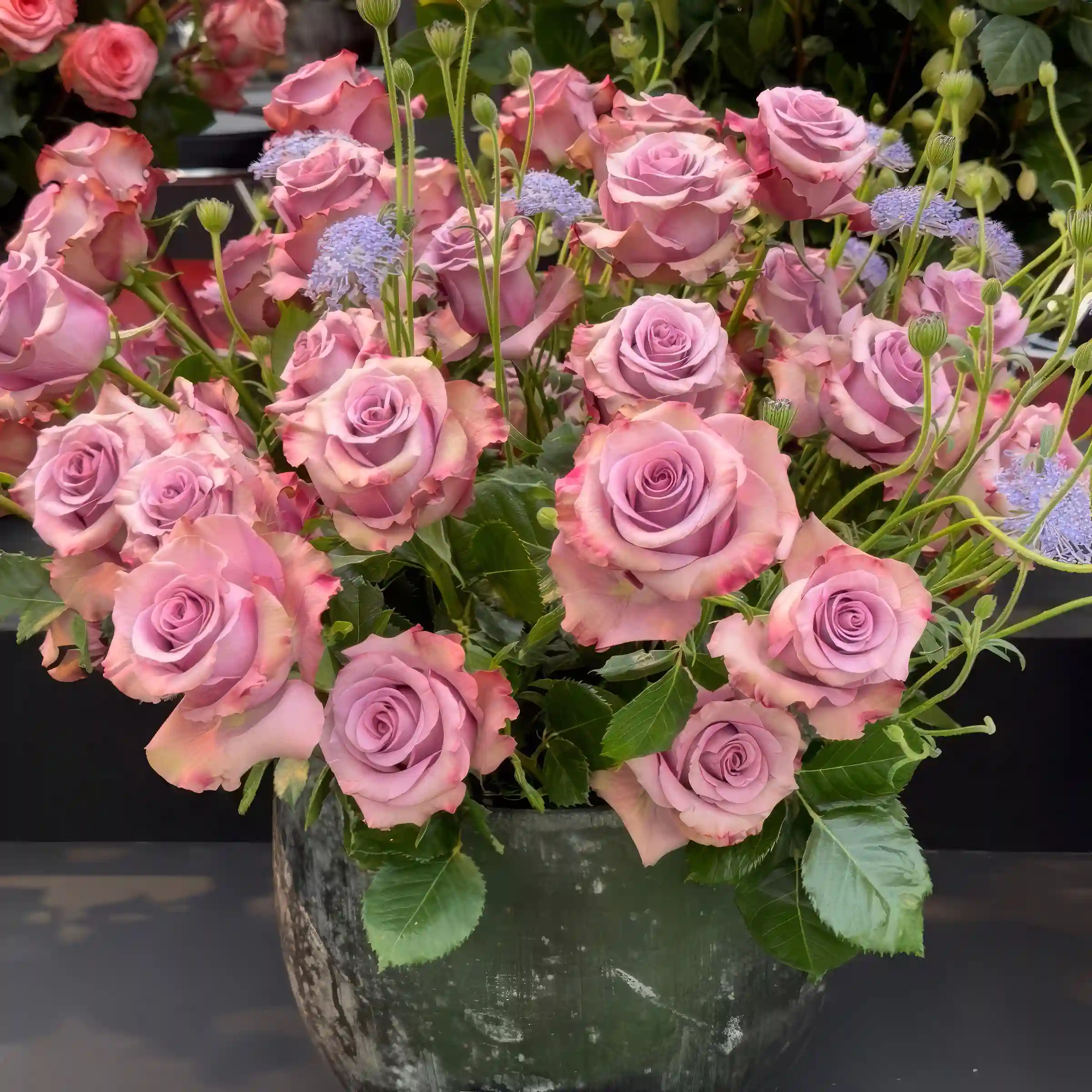
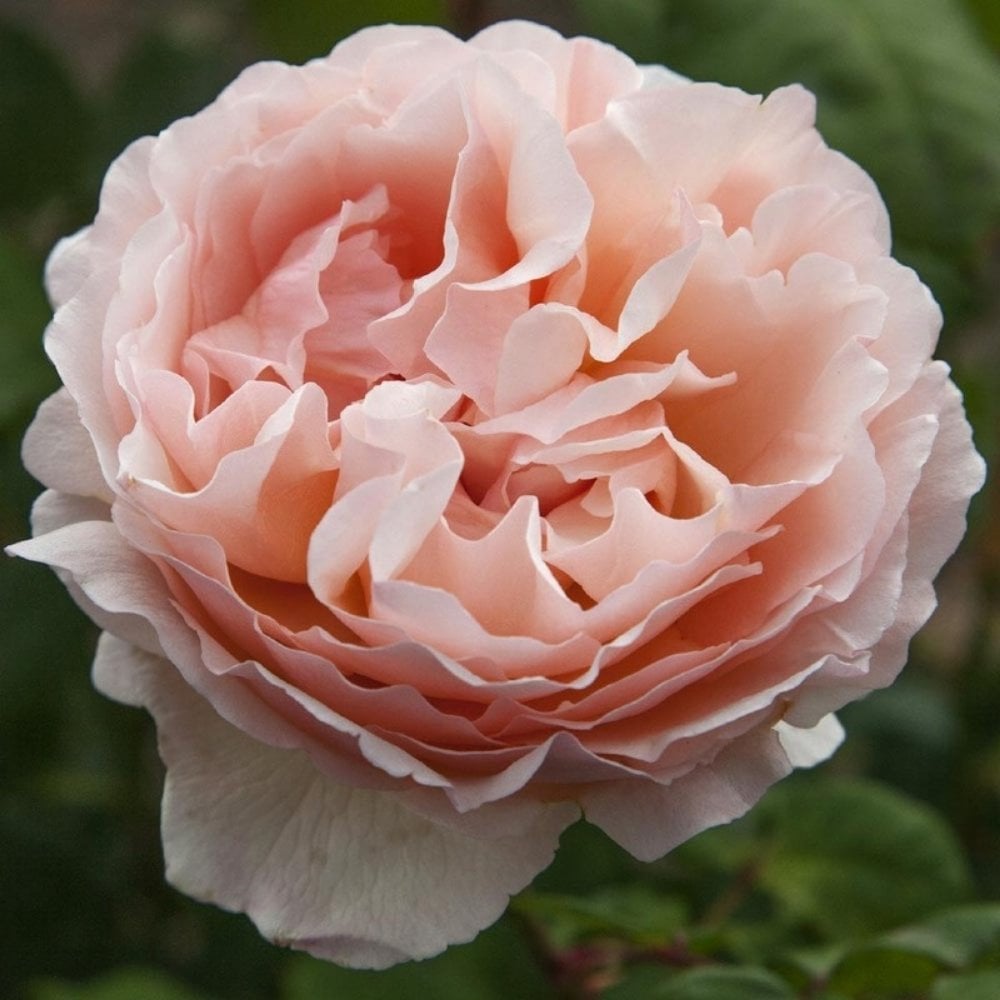
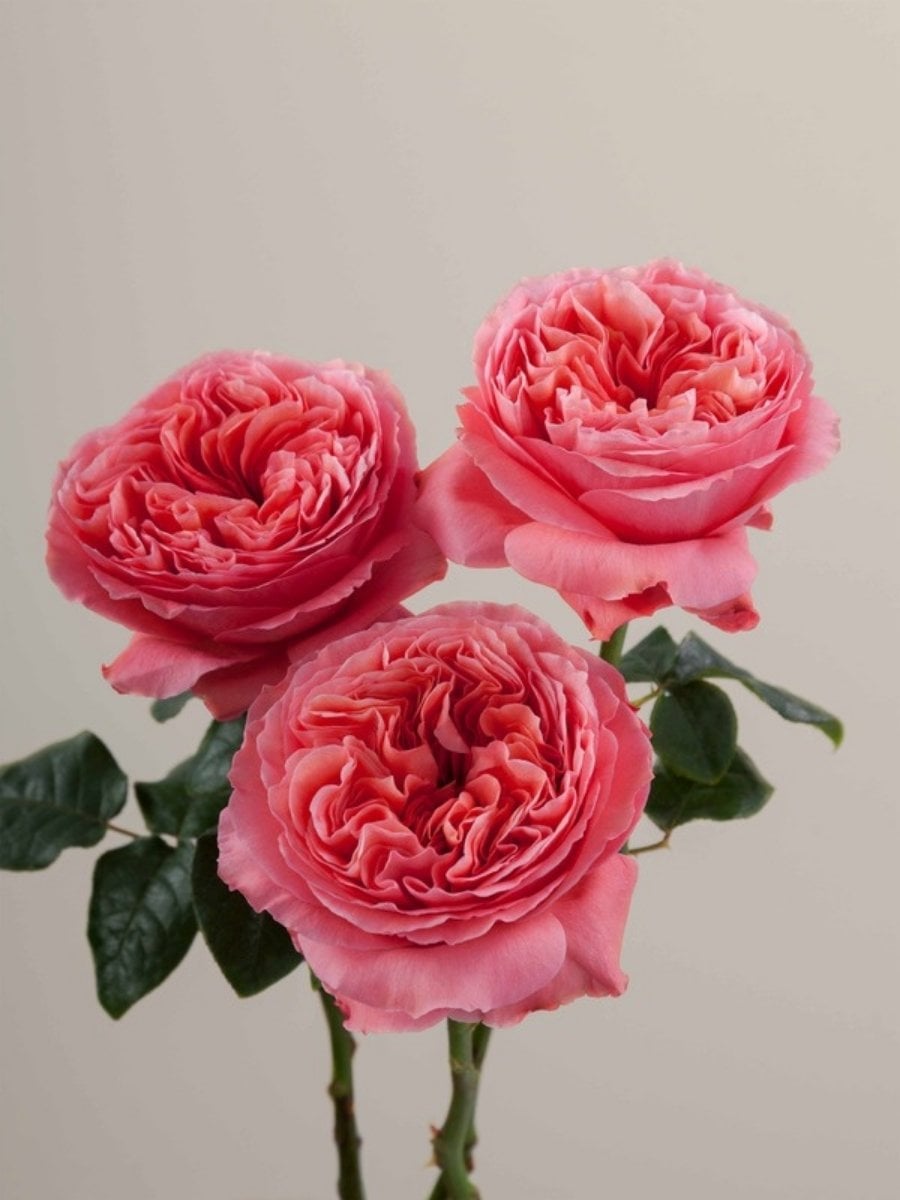
Princess Charlene of Monaco from Meilland is a blush rose that runs from creamy pink to apricot, in a deep cup with a scent of citrus and honey, and Meilland keeps it for weddings and special events. Candy X-Pression from De Ruiter is a garden-type rose that De Ruiter calls candy pink, opening to a saturated medium pink with a hint of peach, with an extra-large head and a long vase life. Under warm light, as in the photo below, it reads closer to coral.
Bicolor Pink Roses: Joy Without a Code
The language of flowers had an entry for two colors given together: in Kate Greenaway's list, a white and a red rose together meant unity. Modern pink bicolors carry no fixed code, which is part of their appeal. A pink and white rose reads as celebration more than as a statement, so it is an easy rose to give.
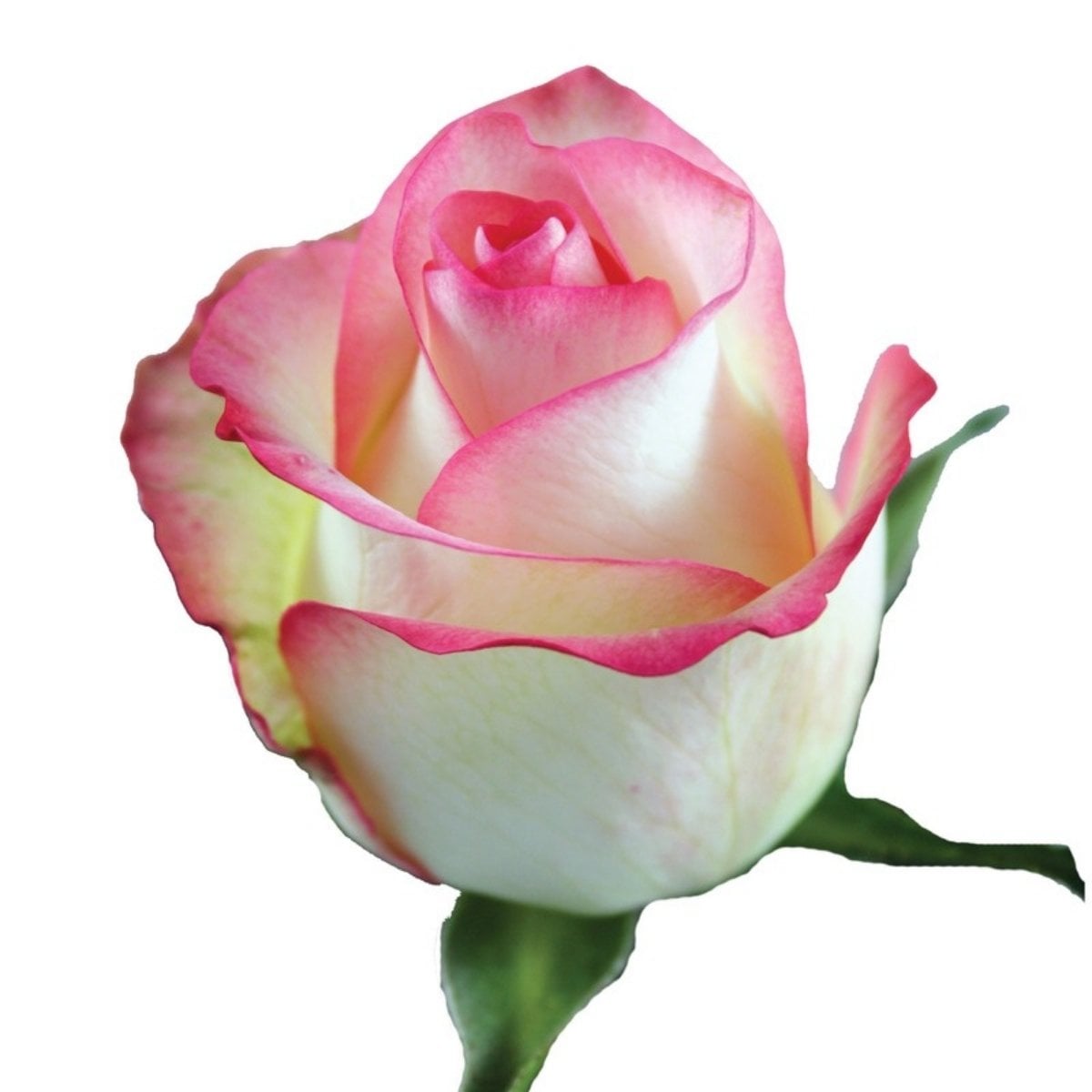
Jumilia from United Selections is the reference: a large white rose with a bright pink edge at the top of every petal, with a very good shelf and vase life. Paloma Steffi turns the idea around, with cream and green outer petals that open to a bright pink heart. It is a sport, a natural mutation, of Rosen Tantau's Paloma, grown in Kenya by Alisha, and Thursd has the story of this sport.
Pink Roses for Valentine's Day and Mother's Day
Valentine's Day
Red still owns Valentine's Day, but pink has a clear role in it. Pink roses suit a relationship that is still new, a friend, or a partner who has had the red dozen every year. In India's Valentine Week, pink is the color of admiration on Rose Day and the color of Hug Day, as Thursd's Valentine Week guide explains, and De Ruiter keeps a list of pink roses for Valentine's Day on Thursd.
Mother's Day
Mother's Day began with a white flower, not a pink one. Anna Jarvis sent 500 white carnations to the first formal Mother's Day service, held on May 10, 1908, in Grafton, West Virginia, according to the National Park Service, and the carnation is still the official flower of the day. Pink has its place in it too: Thursd's guide to pink flowers gives the pink carnation gratitude, remembrance, and maternal love, and pink roses carry the same thanks in rose form. The Mother's Day flowers guide has the dates by country, and De Ruiter keeps a list of pink roses for Mother's Day on Thursd.
Other Moments for Pink Roses
Pink roses also fit a birthday, a new job, or a get-well bouquet. In October, pink flowers carry the message of breast cancer awareness, which Thursd's guide to pink flowers for breast cancer awareness covers. And because the rose is one of June's two birth flowers, a pink rose is a natural birthday gift for anyone born that month, as the June birth flower guide explains.
How Many Pink Roses Should You Give?
With pink, the number matters less than the shade. The trade's number code, one rose for love at first sight and a dozen for be mine, was written for red, and Thursd's Valentine Week guide has it in full. One rule does travel: in Russia, an even number of flowers is for funerals, so a gift for the living always has an odd count, according to Russia Beyond. That makes three, five, seven, or nine pink roses safe, and four or six a mistake. For a thank-you, one stem or a small, odd-numbered bunch says enough.
How Long Pink Roses Last and How to Spot a Dyed One
How Long Do Pink Roses Last in a Vase?
As long as any good rose. Properly handled, most commercial cut roses easily last 10 days in a vase, according to Michael Reid's fact sheet for the UC Davis Postharvest Research and Extension Center. The variety moves that number: Dümmen Orange gives its Avalanche+ roses up to 14 days, United Selections promises a very good vase life for Jumilia, and David Austin calls Hettie long-lasting, while Thursd's portrait of Prince Jardinier warns that this scented garden rose fades sooner.
Most early failures are a water problem. The same fact sheet explains the bent neck, where the neck under the flower wilts and the bud fails to open, as poor water uptake in certain cultivars, and it notes that many commercial roses are sensitive to ethylene gas.
Keeping Pink Roses Fresh
Thursd's product pages give the same routine for every rose. Start with a clean vase and flower food, cut a few centimeters off each stem at an angle, and strip the leaves that would sit under water. Top up or replace the water when it turns cloudy, take out a fading rose before it affects the others, and keep the vase away from heat, direct sun, and ripening fruit, which gives off ethylene.
Bred Pink Versus Dyed Pink
Pink is a color roses make on their own. The pigments are anthocyanins: pelargonidin tends toward light pink and orange-red, cyanidin toward red-purple and pink, and a deep pink usually comes from a mix rather than from one compound, as a 2026 study of pink roses in BMC Plant Biology explains. How much of those pigments a petal holds sets the intensity, from pastel pinks to deeper shades, according to earlier research summed up in a 2024 study in Plants. That range is what breeders work with, and it is why bred pinks run all the way from blush to magenta.
Dyed pink exists anyway, for colors and finishes no rose grows, or for one exact shade that an event or a brand asks for. A guide to tinted roses from FloraLife, the flower care company, describes three methods. In the uptake method, the rose drinks a dye solution through its stem until the color reaches the petals. In the dip method, only the flower heads go into the dye, and in the spray method, the color is sprayed on. Thursd's look at Star Roses in Ecuador shows a farm working with absorption and airbrushing side by side.
To tell them apart, look at the stem and the water. A rose tinted by uptake usually shows the dye in its stem and leaves as well, and it colors the vase water, which FloraLife calls perfectly normal; the dye can also transfer to clothes and tablecloths. A dipped rose has colored petals and untouched green leaves. A bred pink often varies within one flower, deeper at the heart and paler at the edge like the Candy Avalanche+ in this guide's header, or the reverse like Jumilia, and it shifts as the rose opens, the way Esperance moves from pale to soft pink. A true blue rose, by contrast, still only comes from dye or paint, as Thursd's piece on blue roses explains.
So, which pink? The short version of the pink roses meaning is to choose the shade before the rose: light pink for grace, medium pink for thanks, hot pink for a celebration, dusty pink for a quieter romance, and a bicolor when the message is simply joy. Then ask for the variety by name, because a breeder's name tells you more about the color in the box than the word pink ever will.
Sources: Online Etymology Dictionary, pink; Kate Greenaway, Language of Flowers (1884, Project Gutenberg); Royal Horticultural Society, Rosa 'Maiden's Blush' (A); Michael S. Reid, Roses, Spray Rose, Sweetheart Rose, UC Davis Postharvest Research and Extension Center (2004); Weilun Sun and colleagues, cyanidin accumulation in pink roses, BMC Plant Biology 26 (2026); Yingxia Cheng and colleagues, pigment composition in rose cultivars, Plants 13 (2024); National Park Service, Anna Maria Jarvis; Russia Beyond, 10 flower superstitions in Russia (2016); FloraLife, Tinted Roses (2023).
Featured image: Hettie roses in a hatbox, photo by David Austin Roses. Header image: Rose Ever Pink, from Alina Neacsa's Ever Pink photo shoot on Thursd. Body photos: Sophia Loren by Jan Spek Rozen; Sweet Avalanche+ by Meijer Roses; Prince Jardinier by Tambuzi; Esperance and Ever Pink by De Ruiter; Lovely Pink and Princess Charlene of Monaco by Meilland; Hettie by David Austin Roses; Candy X-Pression by Rosaprima; Jumilia by United Selections; Paloma Steffi by Rosen Tantau.